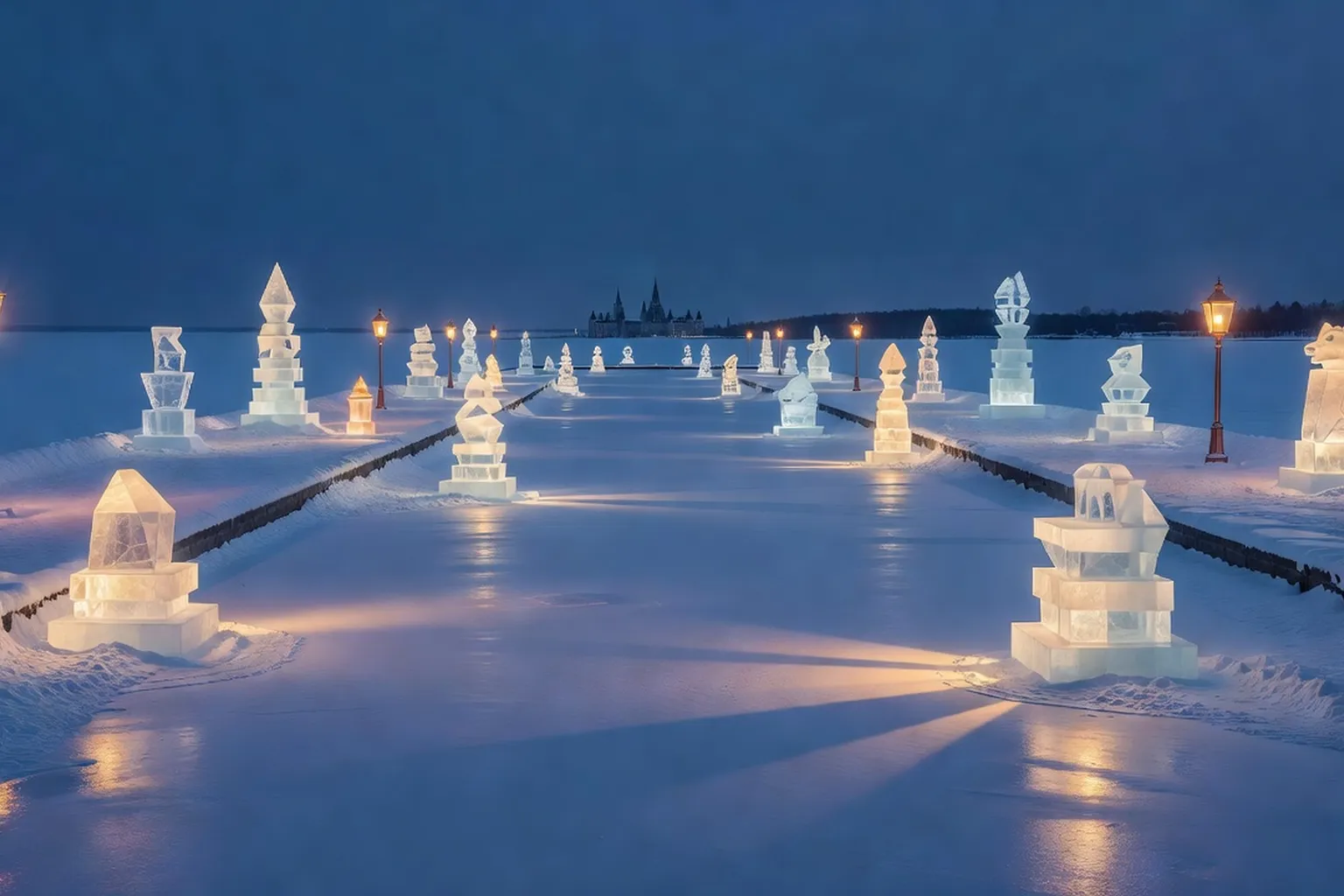
As winter settles across the Ottawa River, the stone facades of Parliament Hill catch the low afternoon sun while the surface of the Rideau Canal hardens into a reliable sheet of ice. The air carries the faint metallic scent of frozen water and the sharper note of wood smoke from nearby vendors. Visitors move at a measured pace, their boots crunching on packed snow, while the steady rhythm of skates on the canal provides a constant background sound that carries for blocks.
These seasonal rhythms shape the calendar of public events that draw repeat visitors year after year. Ottawa’s festivals follow the same measured progression as the river itself, from the solid ice of February through the brief explosion of colour in May and the concentrated civic gathering on 1 July. Planning around these dates requires attention to average temperatures, daylight hours and typical crowd patterns rather than any single highlight.
| Festival | When | Main site |
|---|---|---|
| Winterlude | First 3 weekends of February | Rideau Canal Skateway |
| Canadian Tulip Festival | First week to mid-May (~18 days) | Commissioners Park |
| Canada Day | July 1 | Parliament Hill |
| Ottawa Bluesfest | ~10 days in mid-July | LeBreton Flats |
| Jazz Festival | Late June-early July | Confederation Park |
| Chamberfest | First two weeks of August | Dominion-Chalmers United Church |
| Ottawa Int’l Animation Festival | First week of October | Ottawa Art Gallery / ByTowne Cinema |
Winterlude (February)
Winterlude occupies the first three weekends of February along the Rideau Canal and adjacent parks. The canal itself, maintained as a skating surface between the National Arts Centre and Dow’s Lake, stretches 7.8 kilometres and opens to skaters once ice thickness is deemed safe by the National Capital Commission; daily hours and closures depend on conditions and are posted on the official Winterlude website, so check there before heading out. Organisers monitor conditions regularly; closures occur when temperatures rise above zero for extended periods or when fresh snow requires clearing.
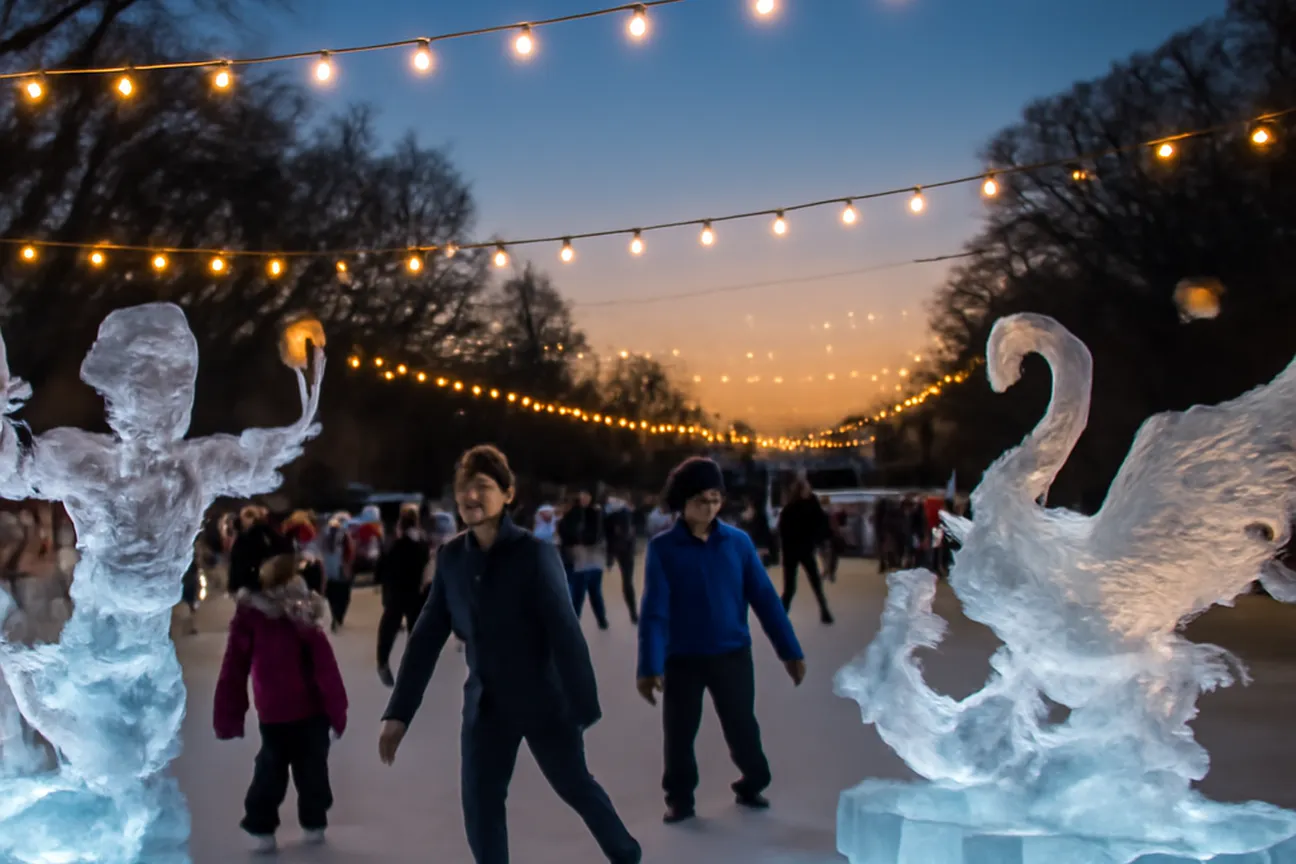
Ice sculptures appear in Confederation Park and along the western edge of the canal, carved from large ice blocks by professional and amateur artisans and left on display for the duration of the festival. Evening illumination begins at dusk, using lighting placed to reduce glare on the ice. Visitors typically spend an hour or more walking the sculpture route before returning to the canal for skating.
Adjacent activity zones include Snowflake Kingdom at Jacques-Cartier Park on the Quebec side, reached on foot via the Alexandra Bridge. The site contains sliding hills and an enclosed area for younger children. Food concessions along the canal offer hot chocolate, maple taffy on snow and simple grilled items, typically on weekends and select weekdays; exact hours vary by vendor and year. Public washrooms are located at regular intervals, with the largest facilities at the Dow’s Lake Pavilion and the National Arts Centre.
Transportation during the festival relies on the existing OC Transpo network, with additional buses added on event weekends. Parking near the canal fills quickly; many visitors instead use the O-Train to Bayview or Rideau stations before transferring to local routes. February in Ottawa is reliably cold, so layered clothing and wind-resistant outer shells remain necessary even on sunny days.
Winterlude draws large crowds across its three weekends, with Saturday afternoons typically the busiest and weekday mornings the quietest. For those planning a longer stay, the Best time to visit page outlines how February conditions compare with other months.
Canadian Tulip Festival (May)
The Canadian Tulip Festival opens in the first week of May and continues for roughly eighteen days across multiple sites in central Ottawa. The largest display occupies Commissioners Park, immediately south of Dow’s Lake, where hundreds of thousands of bulbs are planted in formal beds that follow the shoreline — the festival traces its roots to a gift of 100,000 tulip bulbs from the Dutch royal family in 1945, in gratitude for Canada’s role in sheltering the Dutch royal family and liberating the Netherlands. Peak bloom usually falls in mid-May, though exact timing shifts with spring temperatures. A secondary display lines the northern edge of the canal between the National Arts Centre and the Rideau Centre.
Daily programming has historically included guided walking tours and related activities based at the Dow’s Lake Pavilion, along with a smaller planting of heritage varieties at Major’s Hill Park and occasional evening concerts; exact tour times, durations and concert schedules vary by year, so check the festival’s official site for the current programme.
Access to Commissioners Park remains free; nearby paid parking fills up on weekends, and OC Transpo bus routes serve Queen Elizabeth Drive close to the park. Public washrooms are available during the festival period. Visitors are asked to remain on designated paths to protect the beds, and photography is generally welcomed from the walkways.
Mid-May in Ottawa typically brings mild, pleasant temperatures with occasional rain showers. A light waterproof layer and comfortable walking shoes are sufficient for most visitors. The festival coincides with the opening of several nearby patios along Elgin Street, a short walk from the main tulip beds. For readers considering an extended itinerary, the Things to do in Ottawa section lists additional parks and museums within the same radius.
Canada Day (July 1)
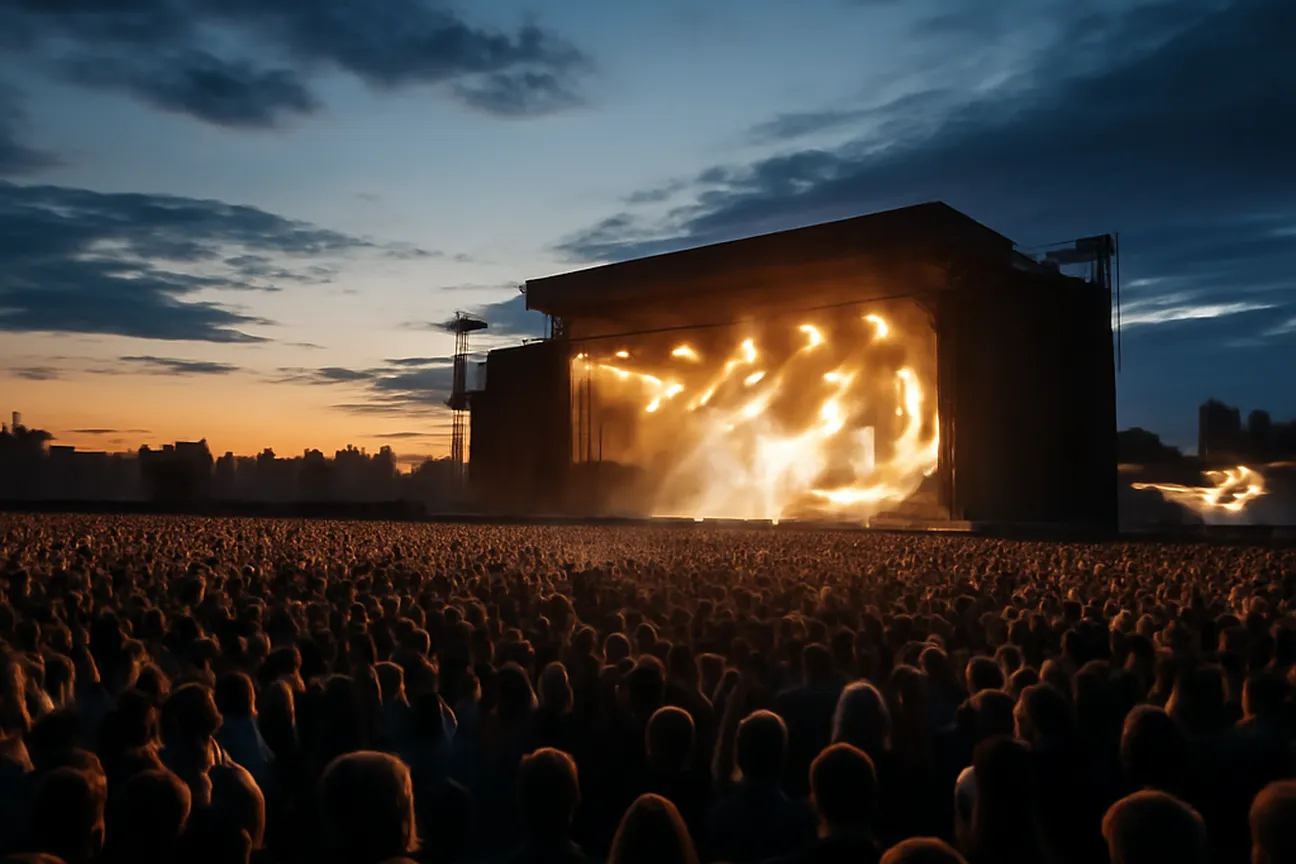
Canada Day centres on Parliament Hill and the surrounding ceremonial grounds. A main stage is erected on the lawn facing Wellington Street, with performances running through the day. The noon ceremony includes the raising of the national flag and addresses by federal officials; the evening programme concludes with a fireworks display over the Ottawa River after dark.
The central site draws very large crowds by late afternoon, and security screening is in place at multiple entry points along Wellington Street and Elgin Street. Clear bags are generally recommended, with larger items subject to checks near the National War Memorial. Fireworks viewing spots line both sides of the Ottawa River, including areas on the Quebec side near the Alexandra Bridge and the Canadian Museum of History; check the official Canada Day programme for the current year’s exact viewing zones and any station or amenity locations.
Public transit typically runs an enhanced schedule on Canada Day, and downtown streets around Parliament Hill see closures for much of the day; exact routes, hours and closures change from year to year, so confirm current details with OC Transpo and the City of Ottawa before you go. Visitors arriving by bicycle can use the racks along the canal pathway. Early July in Ottawa tends to be warm during the day with cooler evenings, so dressing in layers is a good idea.
The day’s programme is coordinated by Canadian Heritage and broadcast on local radio and national television. For those travelling from outside the region, the site at voyage-canada.com provides current updates on road access and accommodation availability in the weeks leading up to the event.
Ottawa Bluesfest (July)
Ottawa Bluesfest (branded simply “Ottawa Bluesfest” since RBC’s title sponsorship ended in 2024) occupies LeBreton Flats Park for roughly ten days each July — 2026 dates run July 9–19. The site sits a short walk west of Parliament Hill and the Canadian War Museum, with OC Transpo service nearby via the Confederation Line. Several stages run simultaneously through most of the day, with programming that has expanded well beyond the festival’s original blues focus into rock, pop, hip-hop, folk and jazz.
Check current ticket types, gate times and site policies directly at ottawabluesfest.ca before you go, since festival logistics are adjusted year to year and are not worth repeating as fixed facts here. Transit is the recommended way to reach the site, since on-site parking is limited — see our Bluesfest field guide for a fuller breakdown of getting there and planning your evening.
The lineup mixes established international headliners with Canadian artists and a broad mix of genres across the run, with international names often clustering on the busier weekend nights.
Jazz Festival and Chamberfest
The Ottawa Jazz Festival runs for about ten days in late June and early July, overlapping the final weekend of Bluesfest. Its principal outdoor venue is Confederation Park, with additional indoor programming at venues that have included the National Arts Centre and other downtown halls. Programming mixes free outdoor sets with ticketed indoor performances; exact stage counts and schedules vary by year, so check the festival’s official site for the current lineup and times.
Outdoor concerts in Confederation Park are generally free, with a mix of seating and standing room on the grass. Ticket prices for indoor performances change from year to year — consult the festival’s official site for current pricing and box office details.
Chamberfest occupies part of late July and early August and presents a season of chamber music concerts in churches, museums, and other venues across the city. The main series has historically been held at Dominion-Chalmers United Church on Cooper Street, within walking distance of the Confederation Line’s Parliament station. Performance times and programme lengths vary by concert and year, and current schedules are published on Chamberfest’s official site.
Both festivals maintain quiet zones near residential streets and request that audiences silence mobile devices. Public washrooms are located near Confederation Park and inside the NAC during Jazz Festival hours.
Visitors who linger near the festival venues at dusk often find music drifting between the outdoor stage and nearby indoor performances, part of what gives the downtown core its summer atmosphere during these overlapping festivals.
Autumn and winter events
The Ottawa International Animation Festival takes place in late September or early October, screening short and feature animated films at venues that have included the Ottawa Art Gallery and the ByTowne Cinema on Rideau Street, with English subtitles provided for non-English works. Screening schedules, accreditation pricing and industry panel venues change from year to year, so check the festival’s official site for the current programme before planning a visit.
Winterlude begins on the first Friday in February and continues for three weekends. The principal site is the Rideau Canal Skateway between the National Arts Centre and Dow’s Lake, which opens to skaters once the National Capital Commission confirms the ice is thick and safe enough; conditions and opening dates vary from year to year.
Before Winterlude, though, Ottawa’s holiday season has its own distinct calendar entry. From late November through the first days of January, Ottawa’s Christmas markets and holiday light displays fill Confederation Park and the ByWard Market with wooden chalets, mulled wine and seasonal music well before the canal ice is thick enough to skate on.
The Canadian Tulip Festival takes place in May across Commissioners Park and Major’s Hill Park, with hundreds of thousands of bulbs planted in formal beds. Peak bloom typically falls in mid-May, depending on spring temperatures.
Best time to visit aligns with these seasonal programmes when visitors seek specific outdoor conditions.
A short checklist for building a festival-focused visit:
- Pick one anchor event per season rather than trying to catch several — Winterlude, the Tulip Festival, Canada Day, and Bluesfest rarely overlap conveniently
- Book accommodation early for Canada Day and Winterlude weekends, when downtown rates rise sharply
- Bring layered clothing for outdoor sites regardless of season — evenings cool quickly near the canal and rivers
- Check our Ottawa events calendar 2026 & 2027 for confirmed dates before booking flights
Additional details about festival logistics appear on voyage-canada.com.
The concentration of performances across summer, autumn, and winter gives Ottawa a calendar that rewards advance planning rather than spontaneous arrival. Venues remain within a compact central area, allowing visitors to move between events on foot or by short transit rides — the same walkable core covered in our getting around Ottawa guide.
Residents treat the festivals as recurring appointments rather than special occasions, returning to the same parks and concert halls each year. The result is a city whose public spaces acquire a measured rhythm tied to the dates printed in the annual programme guides.
Frequently asked
Ottawa features several annual festivals, including Winterlude in February, the Canadian Tulip Festival in May, and Canada Day on July 1. Summer events include the Ottawa International Jazz Festival in June and Ottawa Bluesfest in July. Dates may shift slightly each year, so checking official sources is recommended.
The Ottawa Tourism website maintains an events calendar listing festivals and activities by date and category. The City of Ottawa site and local event platforms provide additional listings with updates. Reviewing these resources before travel helps identify options aligned with specific visit dates.
Most large-scale festivals take place from May through September, with concentrations in June and July. Winterlude draws visitors in February, while smaller events occur in fall months such as September. Planning around these periods allows for a wider selection of activities.
Many public festivals, such as the Tulip Festival and Canada Day celebrations, offer free entry to main areas. Paid tickets are typically needed for specific concerts or reserved seating at events like Bluesfest or the Jazz Festival. Confirming requirements on each festival's official site avoids unexpected costs.
Winter events like Winterlude require warm layers and awareness of cold temperatures and ice surfaces. Summer festivals may involve heat, humidity, or rain, making light clothing, sunscreen, and rain gear advisable. Checking forecasts close to the date supports comfortable attendance.