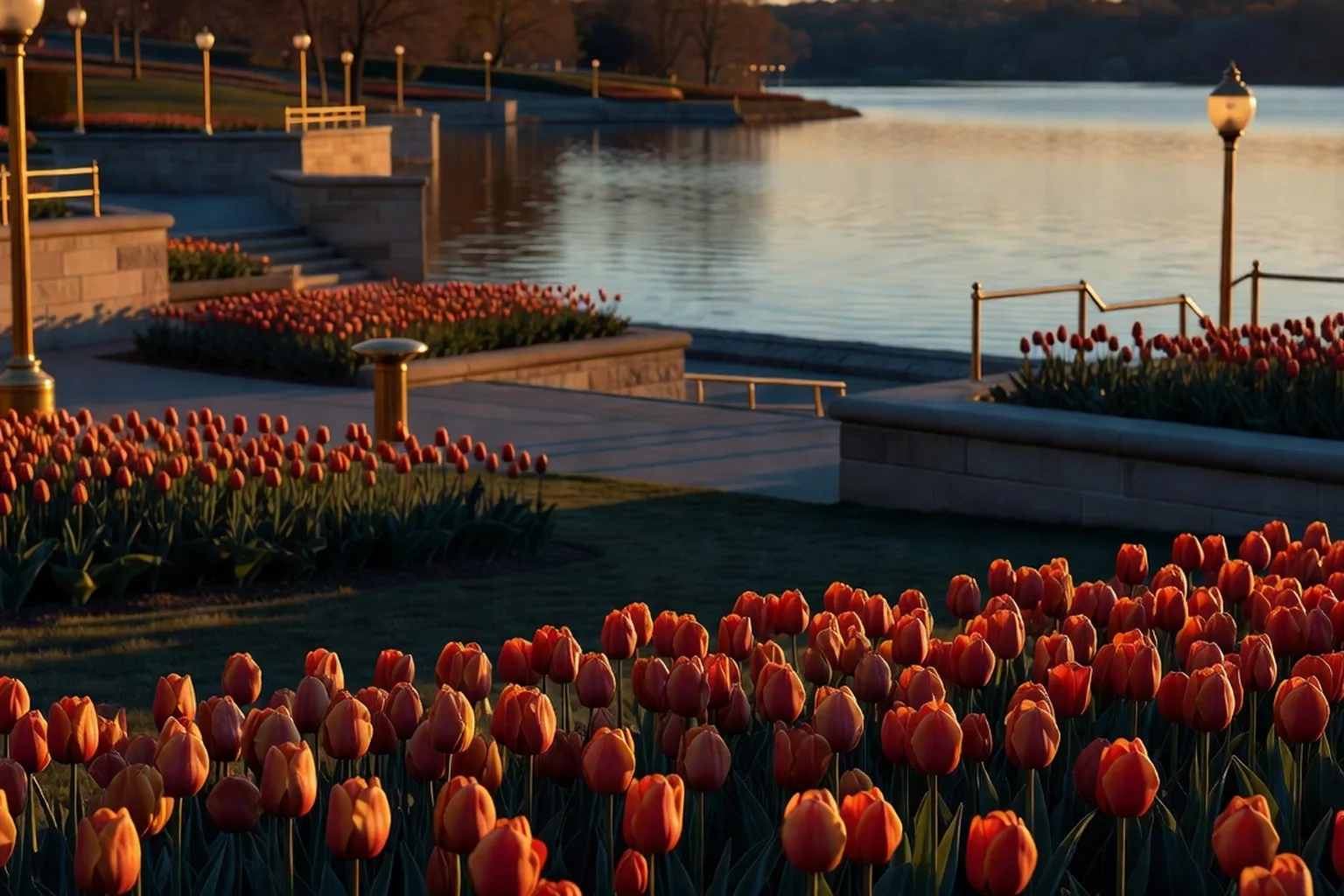
On a crisp spring morning in Ottawa, the air is filled with a mix of fresh floral scents and the gentle hum of a city awakening from its winter slumber. The streets are lined with vibrant hues as tulips in every imaginable shade sway gently in the breeze, creating a kaleidoscope of colours that seem to dance in the sunlight. The capital city of Canada transforms into a living canvas, where nature’s artistry is on full display, and the arrival of the Canadian Tulip Festival marks the beginning of this annual spectacle.
| Quick facts | Detail |
|---|---|
| Origin | 100,000 tulip bulbs gifted by the Dutch royal family, 1945 |
| First official festival | 1953 |
| Bulbs on display today | Over 7 million across the city |
| Main venue | Commissioners Park, Dow’s Lake |
| Typical window | First two weeks of May |
| Admission | Free (guided tours/workshops may have separate costs — check official pricing) |
As visitors stroll along the Rideau Canal, they are greeted by the sounds of laughter and the sight of families enjoying picnics amidst the blooms. The distant chatter of people and the occasional rustle of leaves create a symphony that complements the visual feast. The festival is not merely a celebration of flowers; it is a tribute to history, friendship, and the enduring beauty of nature. With over 7 million tulips painting the city, the festival offers a unique opportunity to explore Ottawa’s rich cultural tapestry and the deep-rooted connections that have shaped its identity.
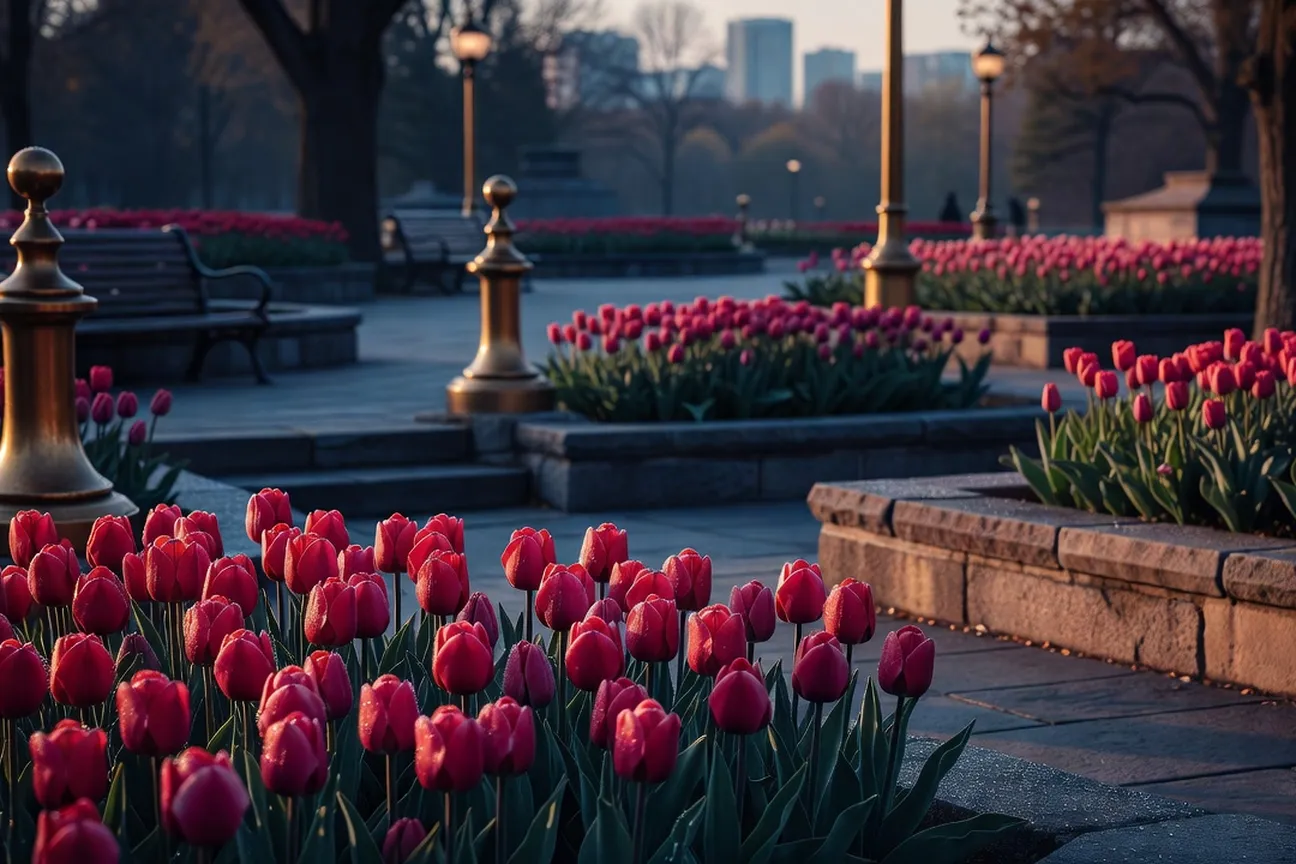
The 1945 Dutch gift — the story behind the festival
The origins of the Canadian Tulip Festival are as rich and vibrant as the flowers themselves. In 1945, during the closing days of World War II, a profound gesture of gratitude was made by the Dutch royal family to Canada. This gesture came in the form of 100,000 tulip bulbs, a living testament to the bond forged during one of history’s darkest times. The story begins during the Second World War when the Dutch royal family found refuge in Canada, taking solace in the safety of Ottawa while their homeland was engulfed in conflict.
The relationship between Canada and the Netherlands deepened during those years. Princess Juliana, heir to the Dutch throne, gave birth to her daughter, Princess Margriet, at the Ottawa Civic Hospital in 1943. To ensure the newborn princess would have exclusively Dutch citizenship, Canada temporarily declared the hospital room extraterritorial, a diplomatic gesture that underscored the friendship between the two nations. This act of kindness and shelter during the war forged a bond that would be celebrated for generations to come.
After the war ended, the Dutch royal family returned home, but their gratitude remained. In appreciation of Canada’s hospitality and the pivotal role played by Canadian troops in the liberation of the Netherlands, the royal family sent those initial 100,000 tulip bulbs. Each spring, as these tulips bloomed, they served as a vibrant symbol of the enduring friendship and the sacrifices made during a time of global upheaval. This annual gift of tulips continued, and in 1953, the first official Canadian Tulip Festival was held, transforming an act of gratitude into a cherished tradition.
Today, the festival is a celebration of peace, friendship, and the beauty of nature. It draws visitors from around the world to Ottawa, inviting them to partake in a piece of living history. As the tulips bloom, they remind us not only of the past but also of the resilience and hope that continue to blossom in the present. The festival stands as a testament to the power of gratitude and the enduring connections between nations. For more insights into other significant festivals and events of Ottawa, delve into the city’s vibrant cultural calendar.
Commissioners Park and Dow’s Lake
One of the festival’s most enchanting venues is Commissioners Park, a verdant oasis that sprawls along the shores of Dow’s Lake. This 22-acre park is a central hub of the Canadian Tulip Festival, where hundreds of thousands of tulips bloom in meticulously curated beds. As visitors meander along the park’s pathways, they are treated to a sensory feast of colours and fragrances, with each bed showcasing a different variety and colour palette. The park’s layout encourages leisurely exploration, with numerous spots to pause and admire the artistry of nature.
Dow’s Lake itself adds to the allure of the location. Its tranquil waters reflect the vibrant hues of the tulips, creating a mirror-like effect that doubles the visual splendour. Along the lake’s edge, visitors can indulge in a moment of serenity, watching canoes glide silently across the water or enjoying a peaceful picnic while surrounded by nature’s beauty. The park offers a perfect blend of urban convenience and natural charm, making it a favourite spot for both locals and tourists.
During the festival, Commissioners Park becomes a hive of activity. Guided tours provide insights into the tulips’ history and horticulture, while photography workshops offer tips for capturing the perfect shot. The park also hosts cultural performances and exhibitions, adding layers of depth to the festival experience. The vibrant atmosphere is complemented by the warm hospitality of local vendors offering a taste of Ottawa’s culinary delights, from maple-infused treats to artisanal cheeses.
The location of Commissioners Park and Dow’s Lake is also easily accessible, situated just a short distance from downtown Ottawa. Public transport options abound, and for those exploring the city on foot or by bicycle, the Rideau Canal field guide offers a wealth of information on this picturesque route. The park’s proximity to other major attractions makes it an ideal starting point for a day of sightseeing, with the promise of tulips as a vibrant backdrop to any adventure.
The peak window — date by date
Timing is everything when it comes to experiencing the Canadian Tulip Festival in its full glory. The festival typically spans the first two weeks of May, with the peak blooming period varying slightly each year depending on weather conditions. Understanding this timing can enhance the experience, allowing visitors to witness the tulips at their most resplendent.
In early May, as the festival begins, the first tulips start to unfurl, painting the city with their initial bursts of colour. This period is marked by anticipation, as the city transforms from the muted tones of winter to the vibrant hues of spring. The early days of the festival are ideal for those who prefer a quieter, more contemplative experience, as the crowds are smaller and the flowers are just beginning to reveal their beauty.
As the festival progresses into its second week, the tulips reach their peak bloom. This is the time when Ottawa is at its most colourful, and the festival’s energy is at its zenith. During this period, the city comes alive with events and activities, from tulip-themed art installations to live musical performances. The air is filled with the scent of flowers, mingling with the sounds of laughter and the distant melodies of street performers. It is during these days that the festival truly becomes a celebration of spring, drawing visitors from near and far to share in the joy of the season.
The bloom moves through three distinct stages across the festival’s run:
- Early May — first tulips unfurl, smaller crowds, a quieter atmosphere
- Second week — peak bloom, festival energy at its height, most events scheduled
- Closing days — blooms soften into pastel shades as the display winds down
The closing days of the festival offer a final opportunity to immerse oneself in the beauty of the tulips. As the blooms begin to fade, they are no less enchanting, their petals softening into pastel shades that speak of fleeting beauty and the passage of time. For those planning a visit, checking the festival schedule and local weather forecasts can help determine the optimal time to experience the tulips in full bloom. Resources such as verygreentrip.com offer valuable insights into sustainable travel options, ensuring that visitors can enjoy the festival while minimizing their environmental impact.
For those considering when to visit Ottawa, the best time to visit Ottawa is undoubtedly during the Canadian Tulip Festival, when the city is alive with the colours and scents of spring. Whether you’re drawn by the historical significance, the natural beauty, or the vibrant cultural events, the festival offers a unique opportunity to experience Ottawa at its most colourful and captivating.
Photography routes the locals walk
For photography enthusiasts and casual shutterbugs alike, the Canadian Tulip Festival offers a vibrant tapestry of colours and shapes that are a feast for the lens. Locals in Ottawa often have their preferred routes for capturing the splendour of the festival, and these pathways offer a mix of both the well-known and the subtly charming.
One of the most popular routes starts at Commissioners Park, home to a dense concentration of tulips spread across dozens of flowerbeds. This park, located by Dows Lake, provides photographers with sweeping views of the tulip blooms set against the tranquil waters, offering a perfect contrast for capturing the vivid colours reflected in the lake. Early mornings here, when the sunlight is soft, cast an ethereal glow over the flowers, making it an ideal time for capturing photos without the interference of large crowds.
From Commissioners Park, a leisurely stroll along the Rideau Canal pathway leads to another favourite spot: the Ornamental Gardens at the Central Experimental Farm. Though tulips are the highlight, the gardens also offer a variety of other blooms that can add depth and diversity to any photograph. The juxtaposition of historic buildings and modern-day flora at the farm provides a unique backdrop that locals cherish.
Another preferred path is through Major’s Hill Park. This centrally located area not only provides a panoramic view of the Ottawa skyline but also features a variety of tulip displays that are carefully curated each year. The park’s elevated position offers photographers a chance to capture the juxtaposition of tulip beds with iconic landmarks such as Parliament Hill and the National Gallery of Canada. The golden hour, just before sunset, bathes the park in a warm glow and is a local favourite for capturing the serene beauty of tulips against the cityscape.
For those looking for a less crowded experience, locals suggest exploring the pathways along the Rideau River. The trails here are lined with tulip beds that are less frequented, offering a peaceful environment to focus on macro photography of individual blooms or experiment with different angles and perspectives.
For many photographers, the festival is not just a spectacle for the eyes but an invitation to explore Ottawa’s natural beauty through the lens of a camera.
| Route | Best for | Best light |
|---|---|---|
| Commissioners Park, Dow’s Lake | Wide shots with water reflections | Early morning |
| Ornamental Gardens, Central Experimental Farm | Mixed blooms, historic backdrop | Midday |
| Major’s Hill Park | Tulips with Parliament Hill skyline | Golden hour before sunset |
| Rideau River pathways | Macro shots, fewer crowds | Any time, quieter overall |
Insider tip: Arrive at Commissioners Park right after sunrise — the crowds are thinnest and the soft light makes the lake reflections far more vivid in photos.
Combining the festival with a canal cruise
The Canadian Tulip Festival offers an excellent opportunity to combine the vibrant floral displays with the serene beauty of Ottawa’s waterways. A canal cruise along the Rideau Canal not only provides a unique vantage point for viewing the tulip displays but also adds a relaxing element to the day’s explorations.
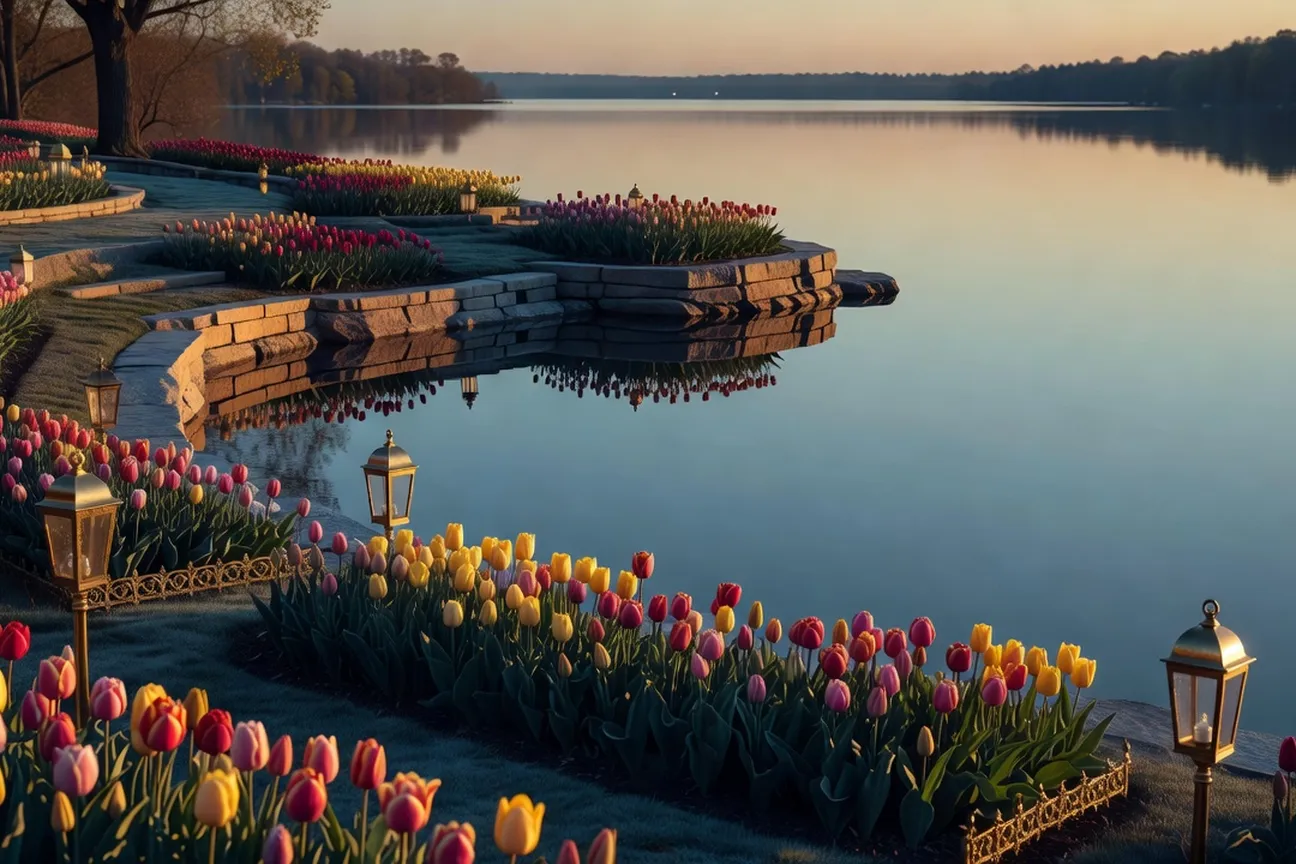
Starting from Dows Lake Pavilion, visitors can board a canal cruise that takes them through some of Ottawa’s most scenic spots. The cruise offers a perspective that is often missed from the land, as the boat glides past tulip gardens and under charming bridges, providing an uninterrupted view of the colourful blooms lining the canal banks. The gentle sway of the boat coupled with the reflection of tulips on the water creates a picturesque scene that is both soothing and visually captivating.
A cruise along this stretch of canal offers a chance to take in the significance of the tulip as a symbol of international friendship and the heritage of the Rideau Canal itself, which is a UNESCO World Heritage Site. This adds an educational layer to the experience, deepening the appreciation of both the natural and cultural aspects of the festival. For those interested, further reading can be found in our Rideau Canal field guide, which explores the canal’s significance and highlights points of interest along the waterway.
Cruise durations and prices vary by operator and season, so it’s worth checking current schedules and booking ahead, especially during the festival when demand for spots on the water is highest. Look for active operators running trips from Dow’s Lake Pavilion and confirm pricing directly with them before you go.
For an extended day of exploration, consider combining the canal cruise with a visit to other nearby attractions. The Canadian Museum of Nature, located a short distance from the canal, offers exhibits that reflect Canada’s diverse natural heritage. Alternatively, the ByWard Market area, known for its eclectic shops and restaurants, provides a great spot for a leisurely lunch or dinner after the cruise.
The combination of tulip festival activities with a canal cruise offers a harmonious blend of nature, history, and relaxation. It’s a perfect way to experience Ottawa’s charm while enjoying the vibrant festival atmosphere.
Practical: parking, transit, food vendors
Navigating the Canadian Tulip Festival with ease requires some practical planning, ensuring that visitors can focus on enjoying the beauty of the blooms without the stress of logistics. Here are some essential tips on parking, transit, and food options.
Getting to the festival without the parking headache:
- OC Transpo bus routes run directly to major festival locations
- O-Train Trillium Line serves the area around Dow’s Lake
- Dow’s Lake Pavilion parking exists but fills quickly on weekends
- Carleton University lots serve as a reliable overflow option, a short walk from the festival sites
- Bicycle paths connect most festival sites directly, a practical option in mild spring weather
Heads up: Parking around Commissioners Park and Major’s Hill Park fills up fast during peak bloom weekends — plan on transit or arrive well before mid-morning.
Parking can be challenging during the festival, especially around popular sites like Commissioners Park and Major’s Hill Park. Visitors are encouraged to use public transit when possible. OC Transpo, Ottawa’s public transportation service, provides convenient bus routes to major festival locations. The O-Train’s Trillium Line also services the area around Dows Lake, making it a viable option for reaching sites along the canal. For those driving, parking is available at Dows Lake Pavilion, but it fills up quickly. Nearby, the Carleton University parking lots are often recommended as overflow options, with a short walk required to reach the festival sites.
For those interested in more comprehensive information about visiting Ottawa, including how to navigate during peak times, the best time to visit Ottawa guide can provide additional insights.
Food vendors are strategically placed across festival locations, offering a variety of options to satisfy diverse palates. From classic Canadian poutine to international favourites like tacos and sushi, the festival’s culinary offerings are as varied as the tulip varieties on display. Many vendors focus on using local ingredients, providing a taste of Ottawa’s vibrant food scene, and generally offer an affordable option for a day out — check individual vendor pricing on site.
For those preferring a sit-down meal, nearby restaurants in the Little Italy district offer a tempting array of Italian cuisine, from wood-fired pizzas to house-made pastas. The area is a short walk from Commissioners Park and provides a delightful culinary escape from the bustling festival atmosphere. Visitors who want a deeper dive into the city’s dining scene beyond the festival grounds can browse the ByWard Market food culture guide for a broader sense of where locals actually eat.
Restrooms and other amenities are well-marked throughout the festival grounds, with additional facilities available at nearby parks and attractions. Accessibility is a priority, with pathways designed to accommodate wheelchairs and strollers, ensuring that everyone can enjoy the festival comfortably.
For visitors seeking more eco-friendly travel options, the use of bicycles is encouraged. Ottawa’s extensive network of bike paths makes cycling a practical and enjoyable way to navigate between festival sites. More sustainable travel insights can be explored through resources like verygreentrip.com, which offers tips on reducing your carbon footprint while exploring new destinations.
The Canadian Tulip Festival is a celebration not just of flowers but of the spirit of community and the joy of shared experiences. With a little planning, visitors can enjoy the festival’s rich offerings with ease and comfort.
As the vibrant hues of the tulips fade into memory, the Canadian Tulip Festival leaves a lasting impression on all who visit. The festival is more than just a visual spectacle; it is a tapestry of history, culture, and natural beauty that reflects the essence of Ottawa itself. The intertwining of floral displays, waterways, and community spirit captures the heart of Canada’s capital, offering a glimpse into the nation’s rich tapestry of traditions and innovation.
Whether meandering along the tulip-lined pathways, cruising gently down the canal, or simply enjoying the tastes and sounds of the festival, visitors will find themselves immersed in an experience that is as educational as it is enchanting. The Canadian Tulip Festival invites all to pause, reflect, and appreciate the simple beauty of nature in harmony with the vibrant pulse of city life. As the festival comes to a close, it leaves behind a lingering sense of wonder and a reminder of the connections that bring us together, both locally and globally.
Frequently asked
The Canadian Tulip Festival is an annual event held in Ottawa, celebrating the historic gift of tulips from the Netherlands. The festival features over 7 million tulips blooming across the city, symbolising international friendship and peace.
The festival typically takes place in May, running for about 11 days, generally during the first two to three weeks of the month. Exact dates shift slightly year to year, so check the festival's official website for the current year's schedule before planning a visit.
The primary locations for viewing tulips are Commissioners Park, along the banks of Dows Lake, and Major's Hill Park in downtown Ottawa. Both locations offer stunning displays and are easily accessible, with Commissioners Park hosting hundreds of thousands of tulips across dozens of flowerbeds.
The festival itself is free to attend, with no admission fees for viewing the tulip displays. Some ticketed events, such as guided tours or workshops, may have associated costs — check the festival's official website for current pricing.
Aside from admiring the tulip displays, visitors can enjoy guided tours, live music performances, and cultural exhibitions. The festival also offers culinary experiences featuring local food vendors, as well as family-friendly activities like art installations and interactive workshops.