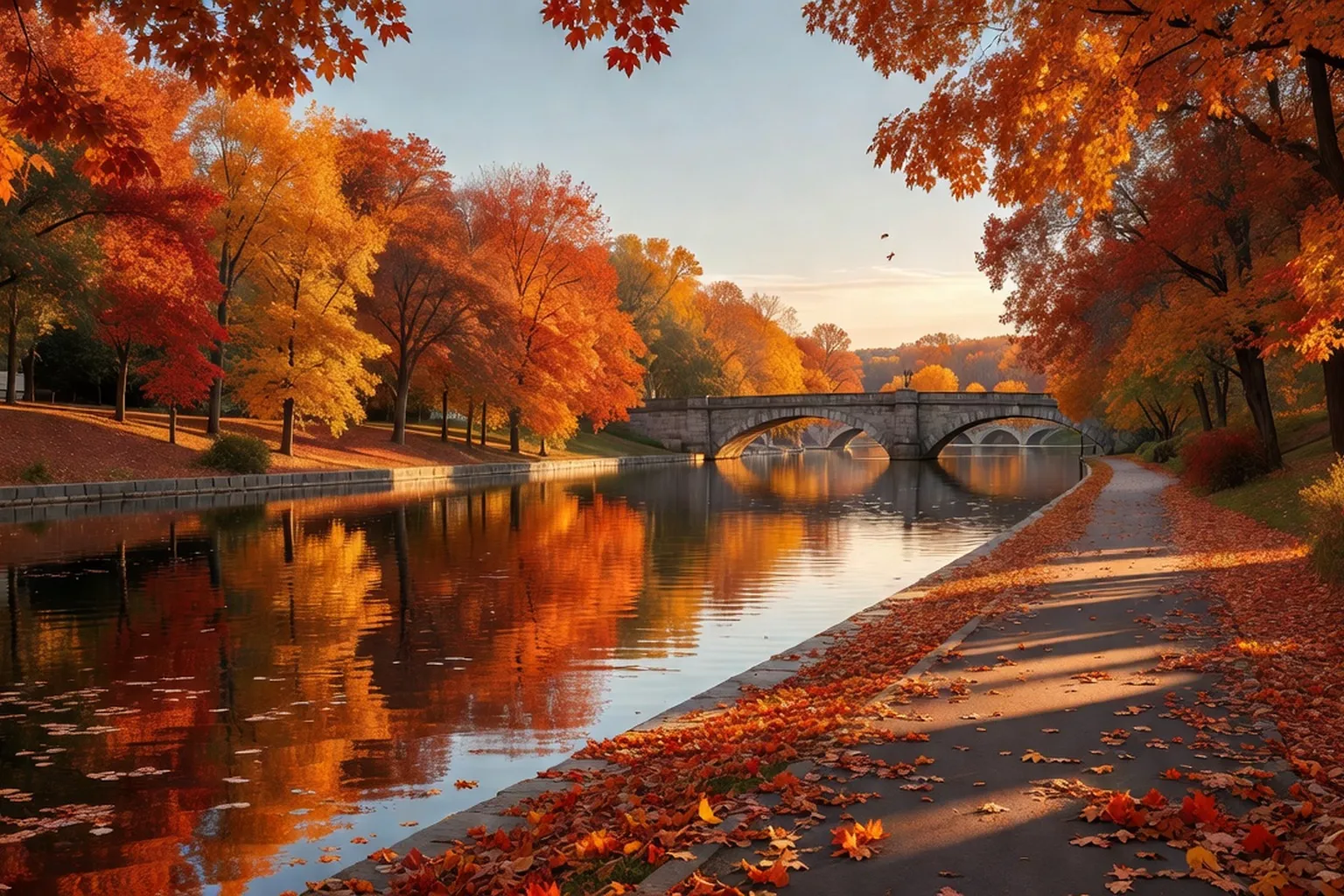
The first light of a March morning in Ottawa often catches on the remaining ice along the Rideau Canal, where shifting slabs creak against stone walls and release a faint mineral scent into the cold air. Pedestrians on the Laurier Avenue Bridge pause to watch mist rise from open patches of water, while the sound of tires on salted asphalt mixes with the occasional call of a crow from the bare maples in Confederation Park. By late afternoon the light lengthens across the limestone façades of the parliamentary precinct, and the temperature drops again as the city settles into its evening rhythm.
Visitors arriving in these weeks encounter a city that has not yet shed its winter infrastructure. Snow-removal equipment still lines side streets, and the pathways through Major’s Hill Park remain packed hard until mid-April. This period rewards travellers who prepare for variable conditions rather than expecting rapid seasonal change.
Spring (March-May)
March temperatures in Ottawa typically range from a daytime average of minus two degrees Celsius to an overnight low near minus ten. Snow cover persists in most parks until the third week of the month, and the Rideau Canal Skateway closes for the season once the ice can no longer be safely maintained — the exact date varies significantly from year to year, so check the NCC’s website before planning a skating trip late in the month. Travellers who arrive in late March can still walk the full 7.8 kilometres of the canal route on foot, though the surface is no longer maintained for skating. Hotel rates remain 20 to 30 percent lower than in May, and restaurant reservations at establishments along Elgin Street are readily available on weekday evenings.
April brings measurable change. Daily maximums climb above five degrees by the second week, and the first migratory birds appear along the Ottawa River shoreline at Petrie Island. Melting snow reveals the city’s network of separated bicycle lanes, which are swept clean by municipal crews before the end of the month. Visitors planning walking tours along the canal should check current pathway and stair access ahead of time, since seasonal maintenance closures do occur. Those interested in the transition of the urban landscape can consult the seasonal recommendations on Things to do in Ottawa for current trail conditions.
May marks the clearest shift. Average daytime temperatures reach 17 degrees, and the Canadian Tulip Festival begins around the second weekend, displaying more than one million bulbs across Commissionaire’s Park and along Queen Elizabeth Drive. The festival runs for eleven days and draws measured crowds between 10 a.m. and 4 p.m.; later hours remain uncrowded. Public transit users can reach the main display sites on OC Transpo; check the current route and schedule on the OC Transpo website before travelling, as routes and timings are periodically revised. Gardeners and photographers should carry light jackets, as evening temperatures can still fall to five degrees.
Summer (June-August)
June opens with long daylight hours that extend past 9 p.m. Average highs sit near 23 degrees, and humidity remains moderate until the third week. The Ottawa River pathways receive daily maintenance, and the historic flight of locks beside the Château Laurier remains one of the most photographed spots downtown as boats are raised and lowered between the canal and the river. Visitors who walk the short stretch from the National Arts Centre to the Canadian Museum of History can watch the lock operations and take in the view of Parliament Hill across the water. Several operators run sightseeing boat tours from the downtown area in summer; check current departure points, schedules, and fares on the operators’ own websites before planning around a specific time.
July centres on Canada Day observances. The main stage on Parliament Hill typically opens mid-morning on 1 July, with fireworks in the evening visible from much of the downtown core. Street closures affect Wellington Street and Elgin Street from the afternoon onward; travellers arriving by train at Ottawa Station should check OC Transpo’s Canada Day service advisories, since regular routes are often modified or rerouted around the closures. Afternoon temperatures frequently reach 27 degrees, and humidity can be high. Light cotton clothing and water bottles are standard recommendations.
August maintains similar daytime warmth but introduces evening cooling after 8 p.m. The Ottawa Bluesfest occupies LeBreton Flats over roughly ten days in July and August, with gates typically opening in the afternoon; check the festival’s official site each year for exact dates and hours. Sound levels are monitored by city bylaw officers, and the site clears late in the evening. Cyclists can reach LeBreton Flats via the multi-use pathway along the Ottawa River, a pleasant and mostly flat ride from most downtown hotels. For additional planning details on summer programming, the Festivals & events section provides updated schedules.
Autumn (September-November)
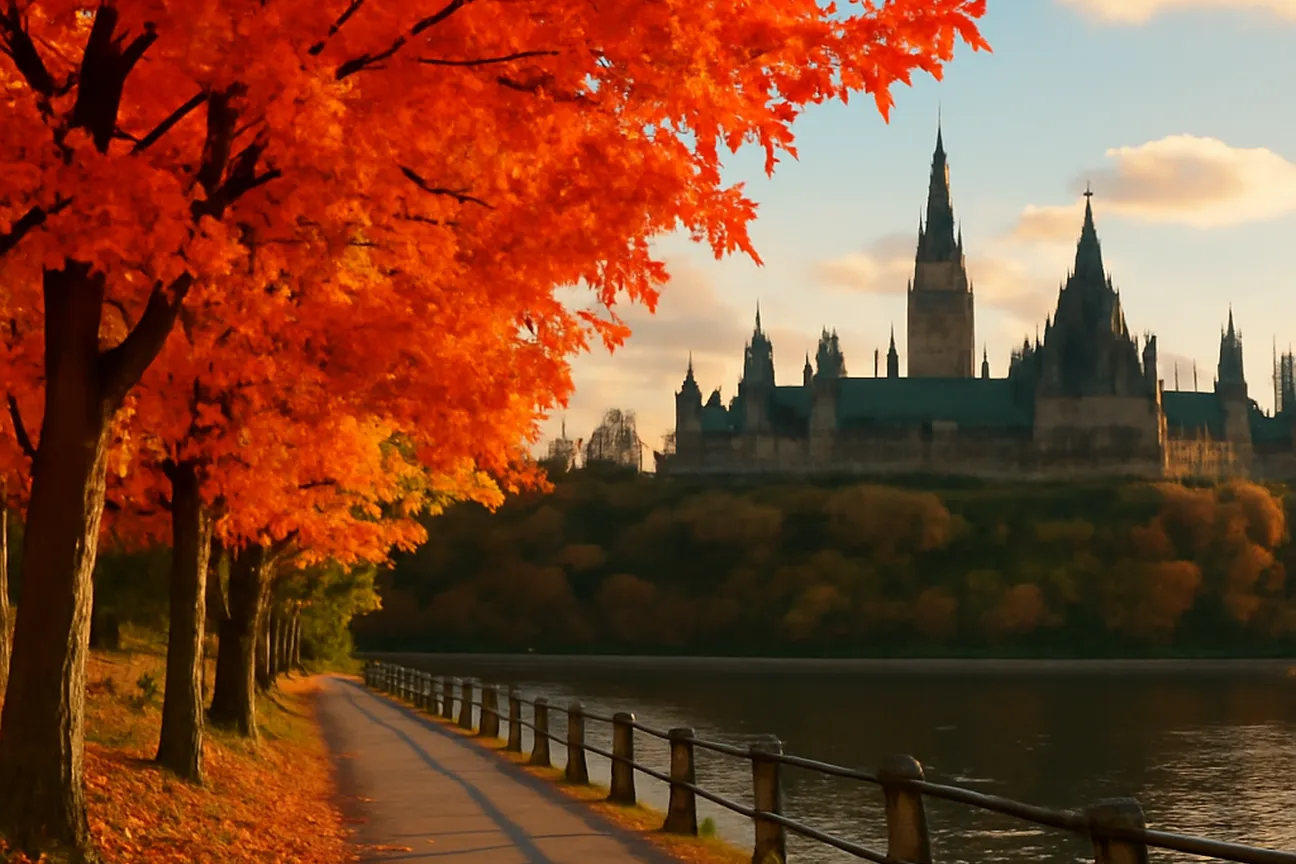
September daylight shortens noticeably after the equinox. Daytime highs average 19 degrees early in the month and fall to 12 degrees by the last week. Indoor recreation options such as public arenas resume their fall skating schedules, offering a reliable indoor option when outdoor temperatures drop. Foliage along the Gatineau River begins to turn in the third week, with peak colour arriving sometime in October — the precise window shifts year to year with temperature and rainfall, so check current foliage reports before planning a trip around it. Travellers heading to Gatineau Park for the colours can reach it by car in under 20 minutes from downtown, or via Transcollines shuttle service from the Gatineau side; check current routes and schedules before travelling.
October brings cooler mornings, often near zero degrees at 7 a.m., followed by afternoon readings near 10 degrees. The city’s maple-lined residential streets, particularly in the Glebe and New Edinburgh neighbourhoods, retain leaf cover until municipal crews complete collection routes by late October. Visitors who prefer quieter trails should consider Gatineau Park, where the Pink Lake loop remains open to hikers until the first significant snowfall, typically some time in November. Popular parking areas within the park can fill on autumn weekends, so arriving early or on a weekday improves the odds of a spot.
November returns the city to its transitional state. Average highs hover near four degrees, and the first measurable snowfall typically arrives sometime in the month. The Rideau Canal again becomes the focus of maintenance crews preparing the ice surface. Hotel availability improves after the Thanksgiving weekend, with rates comparable to those observed in March. For readers planning an extended Canadian itinerary, further context appears at voyage-canada.com.
Winter (December-February)
Ottawa receives its first sustained snow cover by mid-December in most years, with average daytime highs near -3 °C and overnight lows reaching -12 °C. The Rideau Canal Skateway, maintained by the National Capital Commission, typically opens sometime in December once ice thickness and safety checks allow it — opening dates and daily hours vary from year to year, so check the NCC’s official Skateway page for current status before a visit. The 7.8 km route runs from the National Arts Centre to Dow’s Lake. Visitors who arrive without skates can rent them at concession points along the canal; check the NCC site for current rental locations and hours.
Cross-country skiing and snowshoeing become practical within city limits once 20 cm of base snow has accumulated. The 200 km network inside Gatineau Park lies less than 15 minutes by car from Parliament Hill; trail conditions are posted each morning at the Visitor Centre on Champlain Road. Snow removal on Ottawa sidewalks occurs overnight, yet windrows at intersections can reach knee height after heavy storms, so waterproof boots with good tread remain essential.
Indoor alternatives expand during the coldest weeks. Museums such as the Canadian Museum of History in Gatineau and the National Gallery of Canada offer extended or seasonal hours and free-admission windows at various points in the year — check each institution’s website for current opening times before visiting. The National Gallery’s permanent collection includes works by Tom Thomson and the Group of Seven. Public transit operates on winter schedules, with OC Transpo maintaining regular service on main routes even during evening snowfall.
Winterlude occupies several weekends in February. The festival features ice sculptures along the canal and a large snow playground at Jacques-Cartier Park, alongside live music and other programming at various sites downtown; check the official Winterlude schedule for the current year’s venues and acts. Winterlude draws large crowds across its run, with the busiest hours generally falling on weekend afternoons. Hotel rates in the downtown core tend to rise noticeably during this period, so booking ahead is worthwhile.
| Season | Daytime high | Signature event | Crowd level |
|---|---|---|---|
| Spring (Mar-May) | -2°C to 17°C | Canadian Tulip Festival (May) | Low, rising in May |
| Summer (Jun-Aug) | 23°C to 27°C | Canada Day, Bluesfest | High, peak in July-August |
| Autumn (Sep-Nov) | 4°C to 19°C | Gatineau foliage (early Oct) | Moderate, quiet by November |
| Winter (Dec-Feb) | -12°C to -3°C | Winterlude, canal skateway | High on Winterlude weekends |
Tip. Late September and late January are the two shoulder windows locals recommend most: quiet streets, lower hotel rates, and the two signature experiences — foliage and skateway — at or near their best.
Best month overall
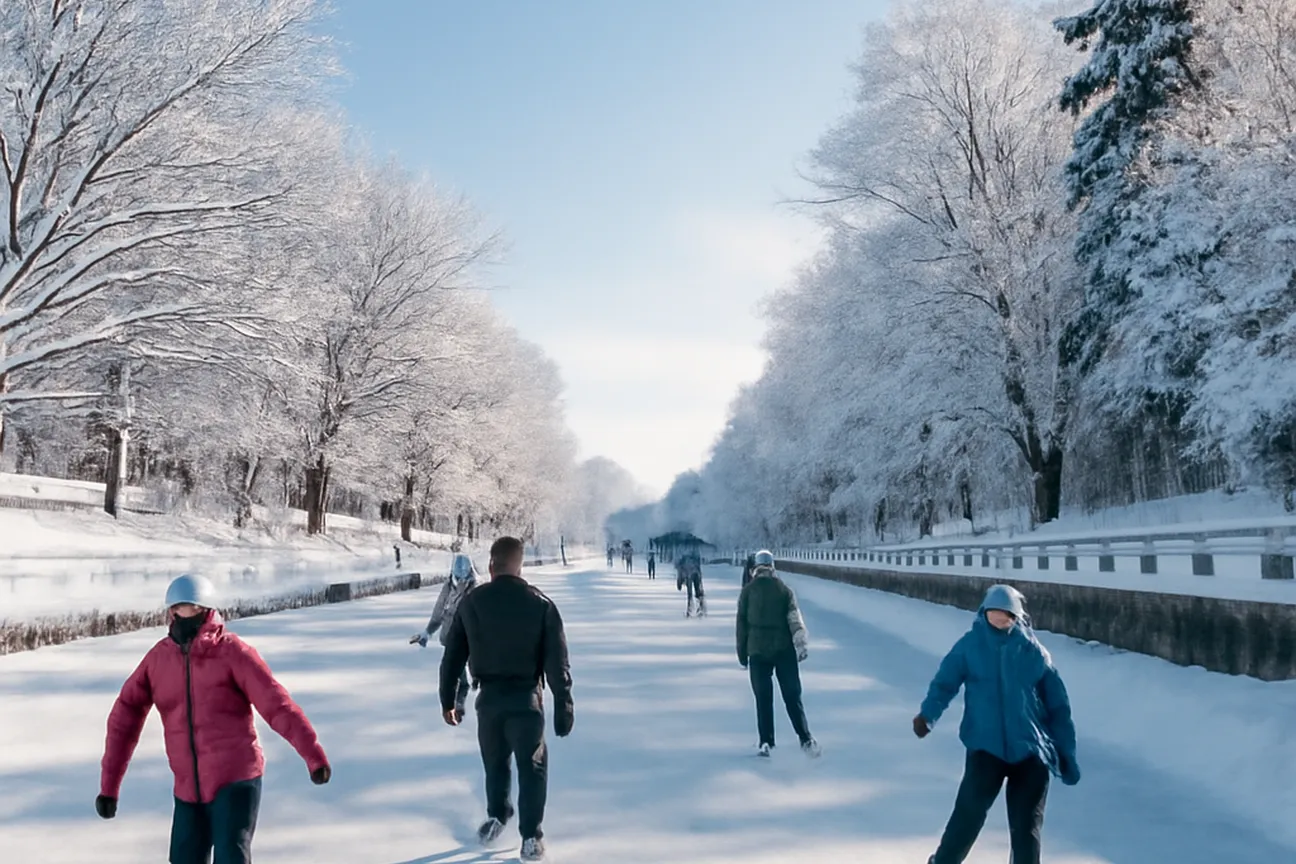
February combines relatively reliable snow cover with the longest daylight hours of any winter month and the concentrated programming of Winterlude. Days grow noticeably longer after mid-month, and temperatures often moderate slightly, though cold snaps remain common. The canal surface tends to reach its smoothest condition once repeated flooding by maintenance crews has eliminated early-season ridges.
Skating on the Rideau Canal Skateway is free; the National Capital Commission does not require a paid pass for daytime access, though conditions and hours vary by day and should be checked before heading out. Evening skating under the lights along parts of the route provides a different perspective, with the illuminated Peace Tower visible from the ice.
Travel planning resources such as voyage-canada.com and the NCC’s own Skateway page publish current ice-status and safety updates, allowing visitors to confirm canal conditions before booking flights. February also tends to see somewhat lighter crowds than March break, when domestic tourism increases.
Locals who skate the canal regularly in winter often describe it as turning the city into a long, frozen promenade — a route for commuting as much as for recreation.
Practical month-by-month notes
December sees the opening of the Christmas lights on Parliament Hill and the adjacent Sparks Street pedestrian mall. The market building at ByWard Market operates daily, with extended hours in the evenings through the holiday period — check current hours before visiting, as they shift seasonally. Snowfall through the month tends to arrive in a handful of larger events rather than continuous light snow; travellers should allow extra time for ground transport after any significant accumulation.
January records the lowest average temperatures of the year, with stretches of days regularly falling below -15 °C. The canal may close temporarily during prolonged cold snaps or when wind chill drops to dangerous levels; updated status appears on the NCC website and on variable-message signs at access points. Indoor attractions such as the Canada Science and Technology Museum remain open, and advance timed-entry tickets are recommended on weekends.
February, as noted earlier, centres on Winterlude programming. The festival’s snow playground at Jacques-Cartier Park may require separate admission on peak days, though canal skating stays free. March brings the transition period: daytime highs climb above freezing later in the month in most years, softening the ice and eventually prompting the canal’s annual closure for the season. Festivals & events listings detail the precise date each year.
Packing lists should include a windproof outer shell rated to -20 °C, wool or synthetic base layers, and removable liners for boots. Public washrooms along the canal have set hours that vary by season, and queues can form on busy weekend afternoons. Downtown parking garages near the canal charge daily maximum rates that vary by operator and location, often with early-bird discounts for arrivals before 9 a.m. — check current signage or apps like the operator’s own for pricing. Visitors weighing a car against transit for the whole trip should also read our getting around Ottawa guide, which covers how each season changes the calculus.
Winter packing checklist for the canal and Winterlude:
- Windproof outer shell rated to at least -20°C
- Wool or synthetic base layers, plus a spare pair of dry socks
- Waterproof boots with real tread — windrows at intersections can reach knee height
- Skates or rental confirmation if you plan to use the Skateway (check the NCC site for current rental locations)
- A charged phone for the NCC’s daily ice-thickness updates before heading out
The city’s winter identity rests on the contrast between the disciplined maintenance of its outdoor surfaces and the compact scale of its core. Streets cleared before dawn, a canal maintained through repeated flooding and inspection, and warm museums close at hand allow residents and visitors alike to move between open air and enclosed spaces without abrupt interruption. This measured alternation of exposure and shelter shapes the experience of Ottawa more than any single temperature reading or festival date. Over repeated visits, the pattern of preparation and adaptation becomes as noticeable as the changing light on the frozen waterway itself.
Frequently asked
Peak season runs from late May through early September, when temperatures are warmest and major festivals occur. July and August see the highest visitor numbers, particularly around Canada Day on July 1. Shoulder periods in spring and fall offer milder crowds and lower accommodation rates.
Winters are cold with frequent snow, but the city remains active with outdoor skating on the Rideau Canal and the Winterlude festival in February. Average daytime highs range from -5°C to -10°C, so warm layered clothing is essential. Many indoor museums and galleries stay open year-round for visitors avoiding extreme weather.
Spring arrives gradually from March to May, with the Canadian Tulip Festival in early May drawing large crowds to the city’s parks. Weather can fluctuate between freezing nights and mild days, so checking forecasts is advisable. Accommodation and flight prices are generally lower than in summer before the peak festival period begins.
Fall offers comfortable temperatures from September to November and vibrant foliage in Gatineau Park and along the Ottawa River. Major events include the Ottawa International Animation Festival in September. Crowds decrease after Labour Day, making it easier to secure restaurant reservations and tour tickets.
Summer features the greatest number of outdoor festivals and concerts, including Bluesfest, the Jazz Festival, and Canada Day celebrations on Parliament Hill. Many events take place along the canal and in major parks when weather is most reliable. Evening temperatures remain pleasant, supporting extended outdoor programming.