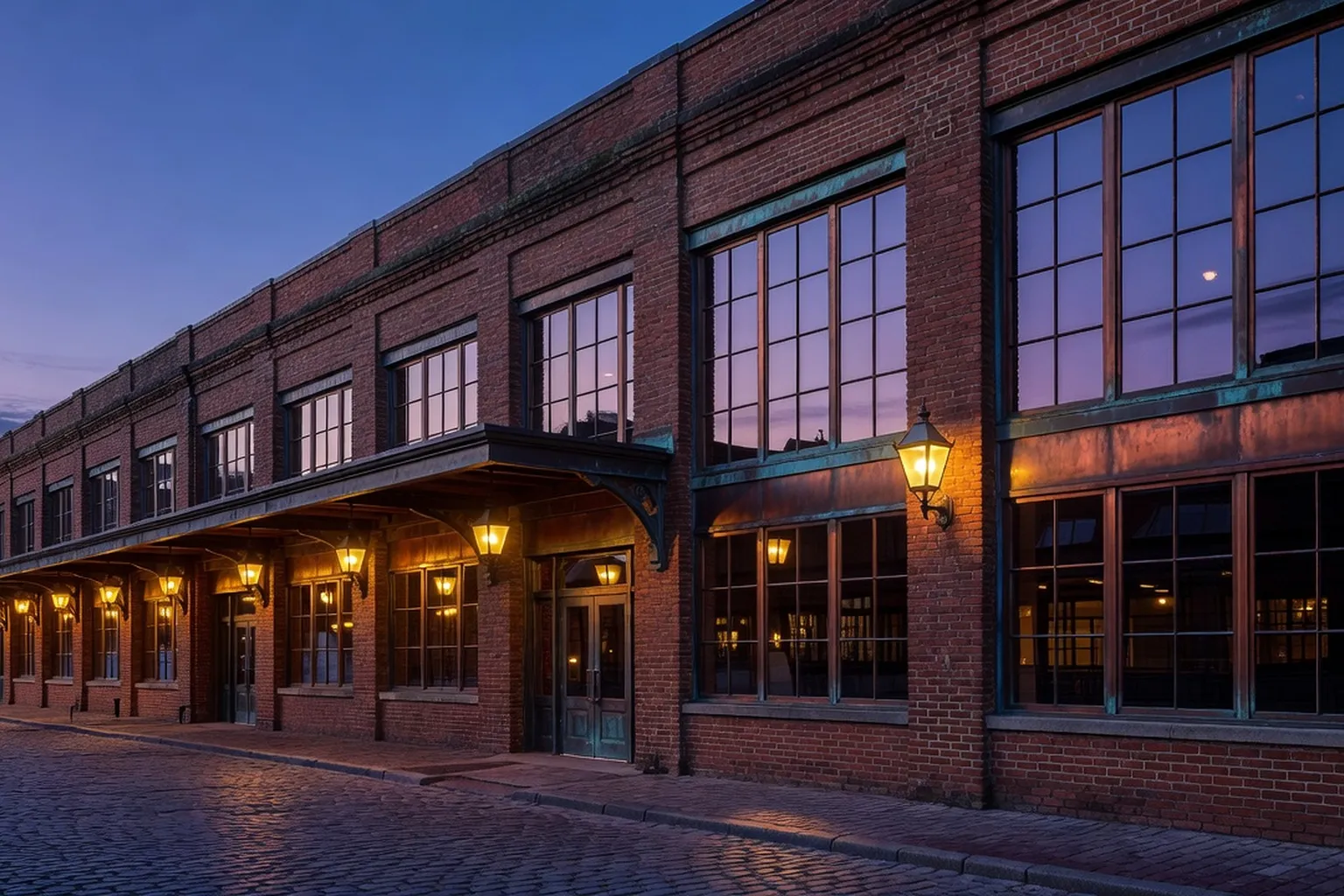
On an autumn morning the air along York Street carries the scent of roasted coffee beans and damp earth from crates of root vegetables set out on the pavement. Church bells from the Basilica echo faintly above the low murmur of early deliveries, while the Rideau Canal, two blocks south, reflects a pale sky that has not yet decided between rain and sun. Visitors pause at the corner of Sussex Drive to watch a baker unload trays of rye loaves, their crusts still warm enough to release steam into the cool air.
ByWard Market occupies the historic core of Lower Town, where food stalls and independent shops share narrow sidewalks with stone buildings that date to the canal era. The district remains compact enough to explore on foot in a single morning yet dense enough to reward several visits. Its covered market hall, surrounding streets and nearby restaurants together present a working portrait of Ottawa’s daily food supply and the successive waves of settlement that shaped the capital.
The 1826 history
Colonel John By established the market in 1826 as part of the infrastructure supporting construction of the Rideau Canal. The site was laid out near the future Sussex Drive and the canal basin so that farmers from the surrounding townships could sell produce directly to the workforce building the canal. An open-air timber market building stood at the site, sheltering carts as they unloaded.
By 1832 the settlement that grew around the market had been formally surveyed into building lots. Irish and French-Canadian labourers built modest frame houses on streets named after British military figures—Murray, York, Clarence—while merchants opened dry-goods stores facing the square. The market operated most days of the week, and horse-drawn wagons brought butter, cheese and maple sugar from farms along the Ottawa River; fishmongers sold fish caught locally.
The market hall has been rebuilt more than once over its history, and the building in use today dates from 1927. Readers interested in the precise construction and demolition dates of the earlier market halls should consult the City of Ottawa’s heritage records rather than treat any single account as definitive, since published sources vary.
In 1969 the City of Ottawa designated the surrounding streets a heritage conservation district, protecting the remaining limestone and brick façades. The designation required new construction to maintain the 19th-century street wall and cornice lines. As a result, the block bounded by York, George, Sussex and Parent Streets still reads as a single historic precinct rather than a collection of unrelated buildings. Visitors interested in the wider pattern of Ottawa’s development can consult the city’s Things to do in Ottawa guide for additional walking routes that connect ByWard Market to the canal locks and Parliament Hill.
Inside the covered market
The present market hall occupies the footprint of the 1927 structure. Its saw-tooth roof allows daylight to reach the central aisle even on overcast days. Stall partitions are fixed in place, but tenants change with some frequency, and the hall typically holds a mix of produce, butcher and fishmonger stalls. Produce stalls occupy the eastern side, offering Ontario apples, greenhouse tomatoes and, in season, wild leeks and fiddleheads from the Gatineau hills. The central aisle is generally home to butchers and fishmongers whose cases are replenished early in the morning.
Cheese and charcuterie vendors line the western wall, typically offering aged cheddar and a selection of Québec-made cheeses. Other counters sell house-smoked meats and sausage prepared according to recipes brought by earlier waves of immigrants to the neighbourhood. Hours vary by vendor and by season, so it is worth checking the posted hours at each stall or the market’s official website before planning a visit.
Beyond the main produce and protein vendors, smaller stands sell honey, maple syrup in graded tins, and baked goods. A mezzanine above the south entrance houses a handful of prepared-food counters serving coffee and light meals. Seating inside is limited, and most visitors carry purchases to nearby benches on York Street. The building is not air-conditioned, so the interior can get warm during summer afternoons, prompting some vendors to close early.
Restaurants worth booking
ByWard Market and the surrounding Lower Town streets hold a wide range of restaurants, from wood-fired pizza spots to upscale tasting-menu dining rooms. Beckta Dining & Wine, at 150 Elgin Street a short walk from the market, is a long-established contemporary Canadian dining room known for a wine list drawing heavily on Ontario producers. As with any restaurant, opening days, hours and the reservation window change over time, so it is worth checking the current hours and booking policy on the restaurant’s official website before planning a visit.
Beyond that anchor, the market district is dense with independent kitchens covering pizza, bistro fare and casual lunch spots. Rather than naming specific operational details that go out of date quickly, the most reliable approach is to check current listings and reviews for the neighbourhood immediately before a visit, since openings, closures and booking policies change often in this part of town.
Further information on lodging near the market appears in the magazine’s Where to stay section. Readers planning additional travel within Canada may also consult voyage-canada.com for regional itineraries that include Ottawa.
| Restaurant type | Style | Booking notes |
|---|---|---|
| Beckta Dining & Wine (150 Elgin Street) | Contemporary Canadian tasting menu | Check current hours and booking window on the restaurant’s website |
| Wood-fired pizza spots | Casual, market-adjacent | Reservation policies vary by venue |
| Casual bistros | Lunch and early dinner | Best to check hours in advance, especially outside peak season |
Cocktail bars and nightlife
ByWard Market’s evening economy centres on a compact grid of streets where independent operators maintain late licences and cocktail-focused drink programmes. The area is known for a cluster of craft cocktail bars, whisky-forward lounges and late-licence taverns concentrated along York, Murray and George Streets, several occupying the upper floors of the district’s older commercial buildings. Programming, hours and drink lists change frequently enough that this guide does not attempt to fix specific venue names, seat counts or nightly routines in print — the current roster of bars and their hours is best checked on the spot or through up-to-date local listings.
What stays consistent is the pattern of the evening itself: street-level patios generally close earlier than the indoor rooms, which pushes foot traffic and noise indoors as the night goes on, and the district as a whole tends to get busier and louder after dark on weekends than on weeknights.
Taxi and rideshare pick-up tends to concentrate along York Street in the evening. The nearest OC Transpo stops sit at Rideau and Sussex, a short walk from most Market bars. Visitors staying in the downtown core can reach these venues on foot in well under fifteen minutes from the Rideau Centre. For additional evening itineraries across the wider city, see Things to do in Ottawa, and for a fuller neighbourhood-by-neighbourhood breakdown of ByWard Market’s bar and live music scene after dark, including craft cocktail lounges and rooftop patios beyond the market core.

BeaverTails and street food
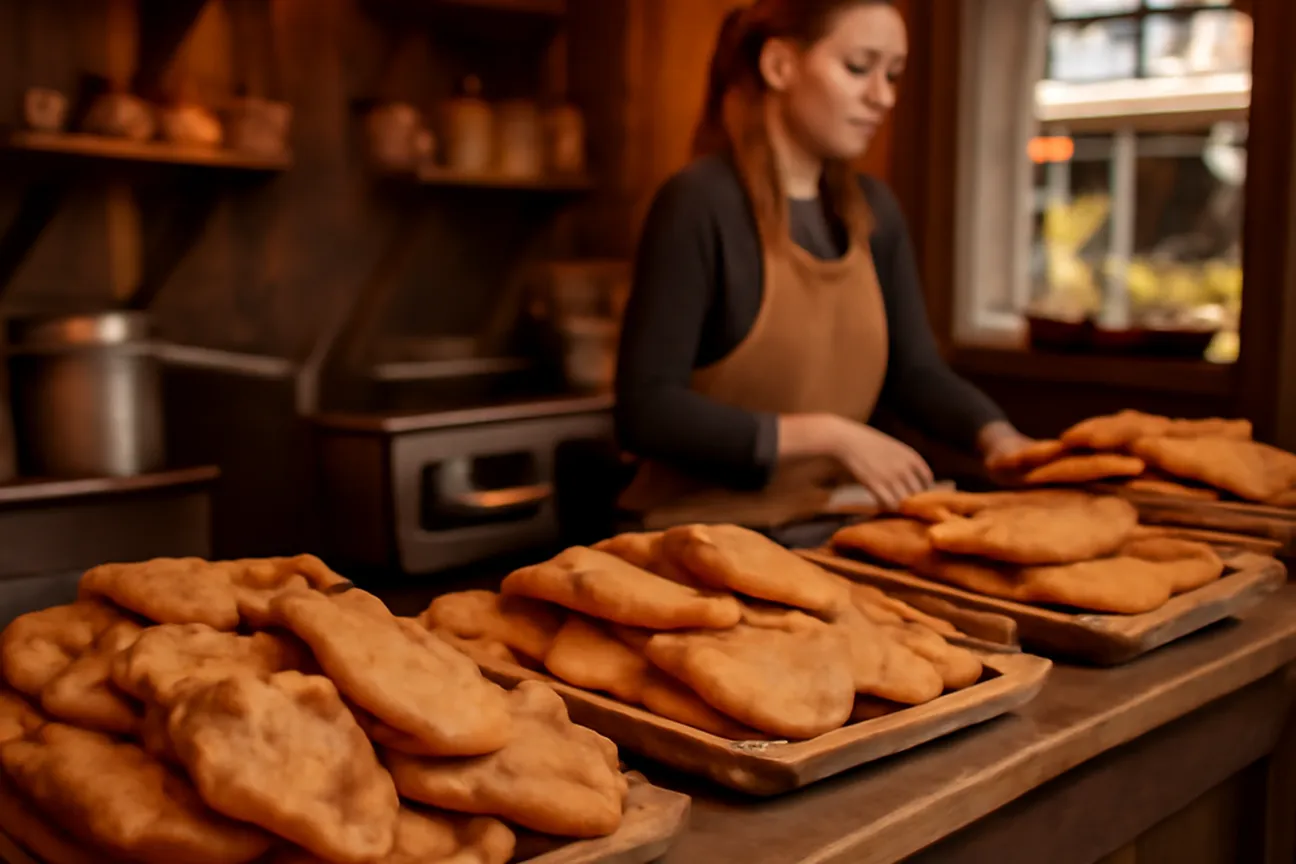
The original BeaverTails kiosk operates near the corner of Murray and Parent Streets and is one of the market’s most recognisable stops, with hours that typically extend later in summer and shorten over the winter months. The pastry is hand-stretched, fried and finished with cinnamon-sugar or one of several seasonal toppings; the exact topping list and hours change with the season, so it is worth checking signage on site. The BeaverTails brand has operated other kiosks around the city and country over the years, so it is worth confirming which locations are currently active before planning a visit.
Adjacent food carts supply complementary items typical of the market’s street-food scene, including poutine and smoked-meat sandwiches. Portion sizes, sourcing and preparation vary by vendor and by season; rather than fix specific weights or supplier names that go out of date, visitors are best served by asking vendors directly about sourcing and portion options on the day. Food carts operating in the market are subject to routine inspection by Ottawa Public Health.
Seating consists of fixed benches along the central promenade and a small number of heated enclosures open from December to March. Waste bins are emptied three times daily during peak season. Visitors who prefer to sit indoors can carry purchases into adjacent cafés that permit outside food provided a beverage is purchased. Those planning extended stays may consult Where to stay for properties within a five-minute walk of these vendors.
The Market’s food stalls close earlier in winter, yet the reduced hours concentrate foot traffic and make it easier to sample several items without queuing.
When to come
ByWard Market remains open year-round, yet foot traffic and operating hours shift with the seasons. From late spring through early autumn the pedestrian zone hosts frequent outdoor markets, festivals and performances, and the district is at its busiest during the summer’s major city-wide events, including the Ottawa Dragon Boat Festival (held at Mooney’s Bay, elsewhere in the city, but drawing visitors who also pass through the Market). Summer temperatures in Ottawa are typically warm, and most patios stay open into the evening.
Winter months bring colder conditions, with average daytime highs well below freezing from December through February, and the BeaverTails stand and several other vendors add heated shelters for customers. The Market typically runs a seasonal Christmas lights display through the holiday period each year; exact dates and switch-on times vary from year to year, so visitors planning a trip around the display should check the current season’s schedule on the ByWard Market’s official channels. Several bars extend hours on New Year’s Eve, while others close early on statutory holidays.
Shoulder seasons offer intermediate conditions. April and October see average highs of 10 °C and 12 °C respectively, with fewer than 20 days of measurable precipitation each month. During these periods most food carts operate on weekends only, and several cocktail bars reduce live-music programming to Thursday through Saturday. Visitors arriving in these months encounter shorter queues at the BeaverTails kiosk and easier access to bar counters. For schedules of city-wide events that influence Market attendance, see Festivals & events.
Further planning resources for Canadian destinations are available at voyage-canada.com. Visitors with limited time who want to weigh ByWard against the city’s other food districts can also read how ByWard Market compares to the Glebe and Westboro’s own market scenes.
Quick pointers for a first visit:
- Come before 9 a.m. for the freshest produce and shortest queues
- Bring cash for smaller stalls, though most vendors now accept cards
- Sunday morning to early afternoon is the traditional market rhythm; Thursday evenings in summer are quieter for dinner
- Pair the market with a walk to the Notre-Dame Cathedral Basilica, two minutes away
- Combine with our Things to do in Ottawa shortlist for a full-day itinerary
The Market’s layered activity, from daytime food stalls to evening service behind the bar, forms one continuous public space rather than a sequence of separate attractions. Visitors who move through the same streets at different hours observe how lighting, sound levels and pedestrian density change without leaving the four-block area.
This continuity mirrors the larger pattern of Ottawa itself, where government buildings, residential streets and cultural venues sit within walking distance of one another. A single afternoon and evening spent in ByWard Market therefore supplies a condensed version of the city’s daily rhythm.
Frequently asked
The area offers a range of dining options including Canadian classics, French-inspired dishes, and international flavors from Asia and the Middle East. Many establishments emphasize locally sourced ingredients from nearby farms. Food stalls in the market itself provide quick bites like pastries and sandwiches.
The ByWard Market is open year-round, with outdoor vendors typically operating from early morning until evening, weather permitting. Indoor shops and restaurants maintain standard business hours, often extending into the night. It is advisable to check specific vendor schedules as they may vary seasonally.
ByWard Market hosts various cultural events including live music performances, art exhibitions, and seasonal festivals that celebrate Ottawa's heritage. The historic architecture and street performers contribute to its vibrant atmosphere. Visitors can explore galleries and boutiques showcasing local artists.
The market is compact and walkable, centered around the intersection of York and Sussex streets. Maps are available at information booths, and the area is pedestrian-friendly with clear signage. Public transit options like buses stop nearby for easy access.
It is recommended to visit in the morning for the freshest selections at the farmers' market. Cash is useful for smaller vendors, though many accept cards. Combining a food tour with cultural exploration of nearby sites like the Notre-Dame Cathedral enhances the experience.