
As you step into the heart of Ottawa, the capital city of Canada, a rich tapestry of history and vibrancy unravels before you. The air is crisp and filled with the subtle scent of pine that wafts in from the surrounding forests. The gentle rustle of leaves accompanies the distant chiming of bells from the Peace Tower on Parliament Hill. This is a city where the past and present dance in harmony — where the echoes of history resonate through cobblestone streets, and the Rideau Canal stands as a testament to bygone eras.
Amidst the bustling cityscape, the Rideau Canal meanders gracefully, its waters reflecting the changing hues of the sky. With every step along its banks, you find yourself drawn into the narrative of this UNESCO World Heritage Site. The canal, with its serene waters and historic locks, tells the story of a nation’s ambition and ingenuity. As the seasons shift, so too does the character of the canal, transforming from a tranquil summer walkway into a frozen winter wonderland. Let us embark on a journey through time and explore the rich heritage of the Rideau Canal, a living monument that epitomises the spirit of Ottawa.
The 1820s Construction
The story of the Rideau Canal begins in the early 19th century, a time when the world was both expanding and contracting in the wake of the Napoleonic Wars. The British, concerned about the security of their North American colonies, sought a safer route for naval vessels, one that would bypass the vulnerable St. Lawrence River. Thus, in 1826, the construction of the Rideau Canal was initiated under the supervision of Lieutenant Colonel John By of the Royal Engineers.
This ambitious project was no small feat. Spanning 202 kilometres (about 125 miles), the canal was to connect the Ottawa River at Ottawa with Lake Ontario at Kingston. It required the construction of 47 locks and several dams to navigate the rugged terrain and varying water levels. The canal’s path weaves through a mix of natural rivers, lakes, and man-made channels, showcasing both the beauty and the engineering prowess of the era.
The canal was built primarily by hand, with thousands of workers, many of whom were Irish and French Canadian labourers, enduring harsh conditions. The construction process was gruelling and fraught with challenges, including disease outbreaks such as malaria, which claimed numerous lives. Yet, despite these hardships, the canal was completed in 1832, a testament to human resilience and determination.
| Fact | Detail |
|---|---|
| Construction | 1826-1832, under Lt. Col. John By |
| Length | 202 km (Ottawa to Kingston) |
| Locks | 47, still manually operated |
| UNESCO listing | 2007 |
| Skateway length | 7.8 km (National Arts Centre to Dow’s Lake) |
| Skateway ice depth required | 25-30 cm minimum |
Today, the legacy of this Herculean task is evident in the canal’s impressive locks, which remain operational and are still opened and closed manually. Visitors can witness the locks in action, a living demonstration of 19th-century engineering. The canal’s construction is more than just a historical event; it is a story of cultural convergence and survival, with lasting influences on the region’s development and identity. As you walk along its banks, you are walking through history, experiencing a pivotal chapter in Canada’s story.
Walking the Canal in Summer
In the balmy embrace of summer, the Rideau Canal offers a picturesque escape for walkers, cyclists, and leisure seekers. As the sun casts a golden glow over the water, the canal transforms into a vibrant artery of activity and tranquillity. The pathways that line its edges are perfect for leisurely strolls, allowing visitors to immerse themselves in the natural beauty and historical significance of this national treasure.
Starting from the Bytown Museum near the canal’s northern tip, you can embark on a journey that takes you through lush green spaces and past iconic landmarks. The museum itself is a worthy stop, offering insights into the canal’s construction and the city of Ottawa’s early days. As you continue southwards, the pathway is lined with towering trees that provide welcome shade, their leaves whispering in the gentle breeze.
The canal’s banks are dotted with parks and picnic spots, inviting you to pause and enjoy the serene surroundings. Dow’s Lake, a popular stop along the route, offers canoe and kayak rentals for those wishing to explore the canal from a different perspective. Here, the water is alive with the gentle splashing of paddles and the laughter of families enjoying a day out in the sun.
As you walk, the scent of fresh grass and wildflowers fills the air, mingling with the sound of birdsong. The canal is a haven for wildlife, and it’s not uncommon to spot ducks, herons, and even the occasional beaver along the way. The pathway is well-maintained and accessible, catering to both casual walkers and more serious hikers looking for a longer trek.
For those seeking refreshment, there are numerous cafes and bistros nearby, where you can savour local delicacies and watch the world go by. The canal’s vibrant summer atmosphere is infectious, drawing people from all walks of life to its shores. Whether you’re a history enthusiast, a nature lover, or simply seeking a peaceful retreat, walking the Rideau Canal in summer is an experience that captures the essence of Ottawa’s charm.
The Skateway in Winter
When winter casts its icy spell over Ottawa, the Rideau Canal undergoes a magical transformation. The waterway freezes over, creating the world’s largest naturally frozen skating rink — a spectacle that draws visitors from around the globe. The Rideau Canal Skateway, stretching 7.8 kilometres (about 4.8 miles) from downtown Ottawa to Dows Lake, is a quintessential Canadian experience that showcases the city’s embrace of winter.
As you step onto the ice, the crisp winter air invigorates your senses, and the sound of skates gliding over the ice fills the atmosphere. The canal is a hive of activity, with skaters of all ages and skill levels enjoying the unique opportunity to skate in a historical setting. Families, couples, and solo adventurers alike are drawn to the skateway, creating a tapestry of movement and laughter.
Alongside the skateway, warming stations offer a cosy respite from the cold, where you can savour a hot chocolate or a traditional Canadian treat like a BeaverTail pastry. These stations are strategically placed, allowing skaters to rest and refuel before continuing their journey. The canal’s icy surface is meticulously maintained, ensuring a smooth and safe skating experience for all.
Winterlude, Ottawa’s premier winter festival, coincides with the skateway’s peak season, adding an extra layer of excitement to the experience. Ice sculptures, musical performances, and interactive activities create a festive atmosphere that celebrates the joys of winter. Participating in Winterlude offers a deeper connection to the local culture and traditions, making your visit to the canal all the more memorable.
The Rideau Canal Skateway is more than just a skating rink; it’s a celebration of community, heritage, and the resilient spirit of Ottawa’s residents. As you glide along the ice, surrounded by the snow-draped beauty of the city, you are participating in a tradition that has been cherished for generations. The skateway is a testament to the enduring allure of the Rideau Canal, a place where history and recreation come together in perfect harmony.
For more information on planning your visit, including the best time to visit Ottawa and other things to do in Ottawa, you can explore resources from voyage-canada.com.
Before lacing up, a short checklist for skating the canal safely:
- Check the NCC’s daily ice-thickness report before heading out
- Skate rentals are available near the canal if you did not bring your own — check the NCC’s official site for current vendors and locations
- Dress in windproof layers — the open canal corridor is colder than the surrounding streets
- Warm up at one of the heated stations spaced along the 7.8 km route
- Watch for posted closures after temperatures rise above zero for several consecutive days
The Bytown Locks
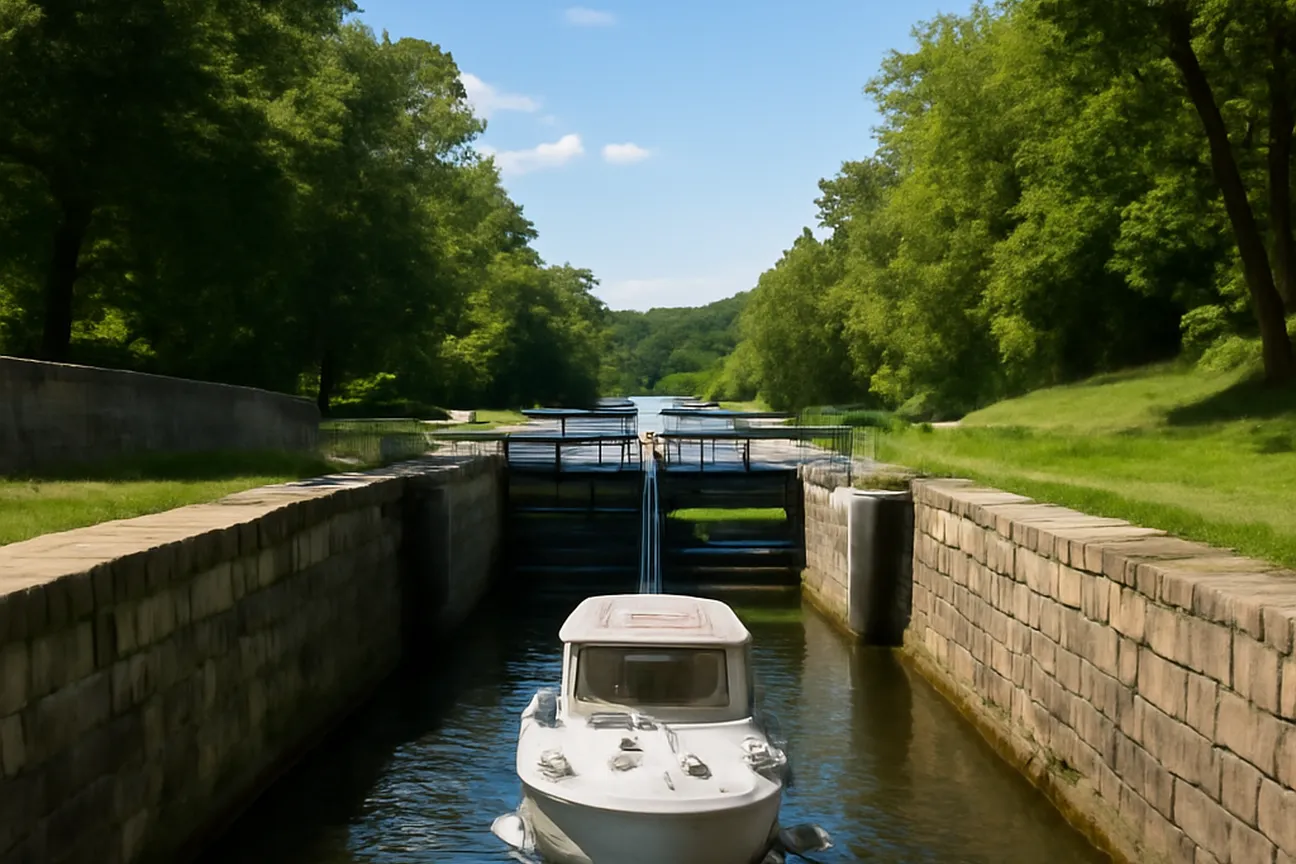
The Bytown Locks are a testament to the engineering prowess of the 19th century, marking the northern terminus of the Rideau Canal. Located adjacent to Parliament Hill, this flight of eight locks — part of the canal’s system of 47 locks in total — forms a staircase that connects the Ottawa River with the canal. The locks were completed in 1832, part of a military strategy to protect the waterway from potential American threats following the War of 1812.
As you approach the Bytown Locks, you are greeted by a scene that seems plucked from a period drama. The sight of the locks, with their hand-operated mechanisms and robust stonework, offers visitors a glimpse into the past. The locks operate via a system of manually cranked winches and sluices, a method that remains unchanged since their construction. The rhythmic clanking of these mechanisms becomes a percussive reminder of the enduring legacy of early Canadian engineering.
The locks are a popular spot for both history enthusiasts and those simply seeking a picturesque walk. The adjacent Bytown Museum, housed in Ottawa’s oldest stone building, enriches the experience with exhibits that delve into the history of the canal and the city’s evolution. As you stroll along the paths that flank the locks, you can watch boats of various sizes being raised or lowered through the flight of locks as they move between the Ottawa River and the canal. It’s a slow, deliberate process that invites you to pause and reflect on the ingenuity of its creators.
Beyond its historical significance, the Bytown Locks area is a hub of activity. During the warmer months, you can often find artists capturing the serenity of the setting on canvas, while photographers angle for the perfect shot of the locks against the backdrop of Parliament Hill. A leisurely walk here offers a sensory tapestry; the gentle sound of water, the earthy scent of damp stone, and the tactile coolness of the iron railings all contribute to an immersive experience.
For those who enjoy a more structured visit, guided tours are available. These tours provide in-depth narratives about the construction and operation of the locks, as well as the broader historical context of the Rideau Canal. Whether you choose a guided tour or prefer to explore independently, the Bytown Locks offer a rich tapestry of history and scenic beauty.
Dow’s Lake and the Tulip Festival
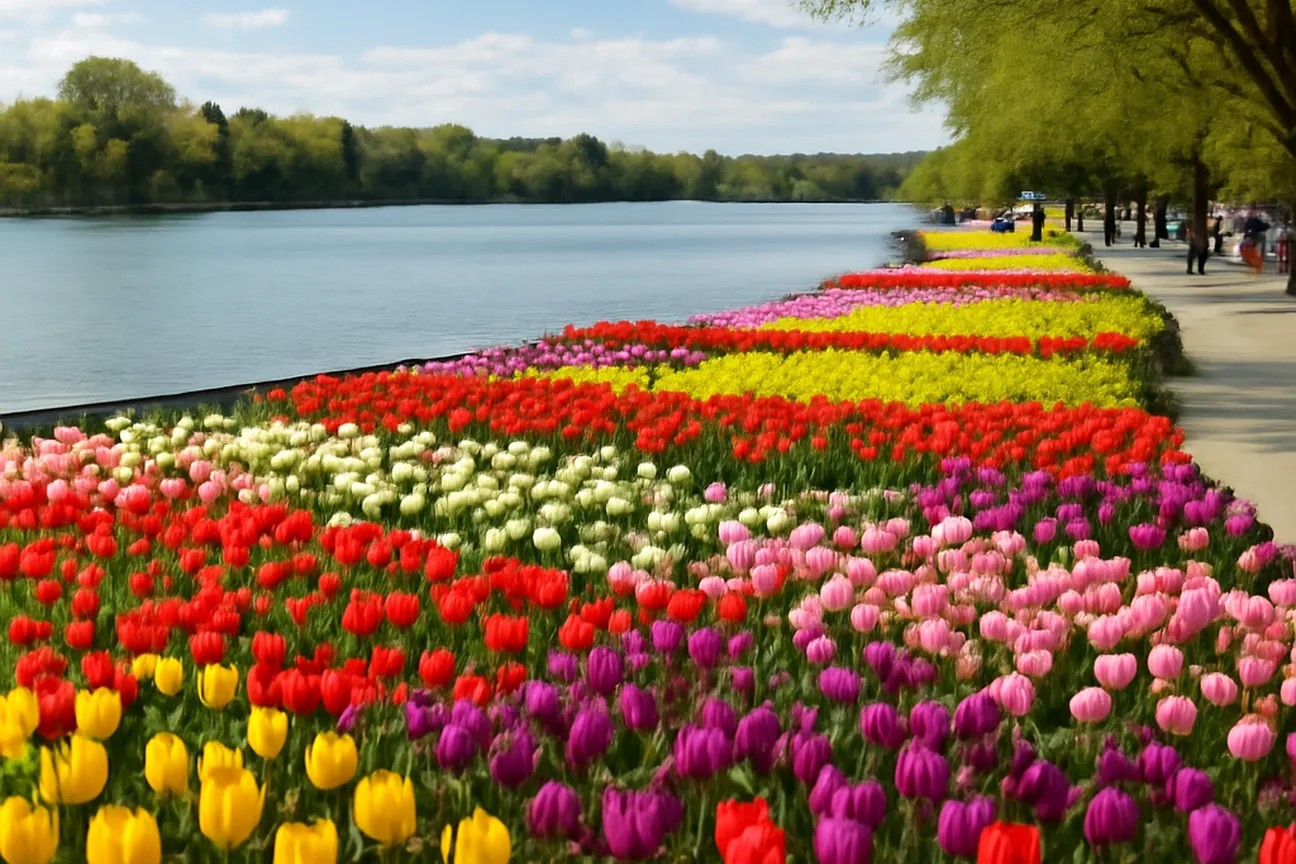
Dow’s Lake, a vibrant hub of activity, is a key highlight along the Rideau Canal, especially during the spring. This man-made body of water, located approximately 7 kilometres south of the Bytown Locks, serves as a recreational oasis for both locals and visitors. Its significance is particularly amplified each May during the Canadian Tulip Festival, an event that transforms the area into a riot of colour.
The origins of the Tulip Festival date back to 1945 when the Dutch royal family sent 100,000 tulip bulbs to Canada as a gesture of gratitude for sheltering Princess Juliana and her daughters during World War II. Each spring, a large-scale display of tulips blooms across Ottawa, with Dow’s Lake Pavilion being one of the prime viewing spots. The vibrant display of tulips, with their petals swaying gently in the breeze, draws visitors from all corners of the globe.
At Dow’s Lake, visitors can rent paddleboats, canoes, and kayaks to explore the tranquil waters. The lake’s surface, often dotted with these small craft, reflects the sky and the surrounding lush greenery, creating an idyllic setting for both relaxation and recreation. The Things to do in Ottawa around this area are plentiful, from enjoying a meal at one of the lakeside restaurants to simply taking a leisurely walk along the trails that encircle the lake.
During the Tulip Festival, the area becomes a hive of cultural activities. Events include concerts, workshops, and guided tours that delve into the history of the festival and its connection to the canal. Food stalls offering a variety of international cuisines add to the festive atmosphere, filling the air with enticing aromas. It’s an opportunity to not only appreciate the natural beauty that the tulips bring but also to engage with the vibrant cultural tapestry of Ottawa.
For those interested in the natural landscape, the Arboretum, located nearby, provides an escape into a world of diverse plant species and tranquil walking paths. In springtime, the combination of the tulip blooms and the arboretum’s array of flowering trees creates a visual feast.
Dow’s Lake, with its blend of natural beauty and cultural significance, offers a multifaceted experience. Whether you’re a nature lover, a history buff, or simply looking to enjoy a day outdoors, this area provides a captivating glimpse into Ottawa’s charm, especially during the Tulip Festival.
For many visitors, the Rideau Canal comes to feel like more than just a waterway — a living thread running through the city’s history and everyday life, in every season.
Why UNESCO Listed It
The Rideau Canal’s designation as a UNESCO World Heritage Site in 2007 is a testament to its outstanding universal value. This recognition is rooted in its historical, engineering, and cultural significance, distinguishing it as an exceptional example of a functional 19th-century canal.
Constructed between 1826 and 1832, the canal was initially conceived as a military supply route. Its creation was driven by the strategic necessity to secure a navigable route between Kingston and Ottawa, bypassing the vulnerable stretch of the St. Lawrence River. The canal’s engineering is a marvel, with its intricate system of 47 locks spanning a distance of 202 kilometres. This feat of engineering was achieved with minimal use of explosives, relying instead on manual labour—a testament to the skill and determination of its builders.
UNESCO’s listing highlights the canal’s role as the best-preserved, fully operational example of a slackwater canal in North America. Unlike other canals of its time, the Rideau has retained its original structures and remains in operation today, offering a living history lesson to those who traverse its waters. Its locks are still manually operated, providing an authentic experience that connects modern-day visitors with the past.
The cultural landscape surrounding the Rideau Canal also played a significant role in its UNESCO designation. The canal has shaped the development of the region, influencing settlement patterns, economic activities, and cultural traditions. From the vibrant urban areas of Ottawa to the tranquil rural landscapes along its route, the canal links diverse environments, each with its own story to tell.
Moreover, the Rideau Canal’s integration with the natural environment is a key aspect of its heritage value. The canal traverses a landscape of lakes, rivers, and wetlands, creating a corridor of rich biodiversity. This harmonious blend of natural and man-made elements underscores the canal’s significance as a cultural and environmental heritage site.
In recognising the Rideau Canal as a UNESCO World Heritage Site, the global community acknowledges its importance not only to Canada but to the world at large. It stands as a symbol of human ingenuity and resilience, a place where history and nature converge to offer an enduring legacy for future generations to explore. Visitors choosing a base for the night should weigh a stay close to the locks against the wider options covered in our where to stay in Ottawa guide.
As you explore the Rideau Canal, whether by boat, bike, or on foot, you’re not just witnessing a historical landmark but engaging with a dynamic cultural landscape that continues to evolve. The canal is a tribute to the past, a vibrant part of the present, and a legacy for the future.
In conclusion, the Rideau Canal offers visitors to Ottawa more than just scenic beauty. It provides a gateway into the city’s rich tapestry of history, culture, and nature. Whether you’re strolling along the Bytown Locks, paddling on Dow’s Lake, or marvelling at the canal’s UNESCO status, each experience enriches your understanding of the city’s soul.
Ottawa, with its blend of historic charm and modern vibrancy, invites you to explore its many facets. From the storied streets surrounding the canal to the bustling urban core, the city offers a wealth of experiences waiting to be discovered. To plan your visit and make the most of your time in Canada’s capital, resources like voyage-canada.com provide valuable insights into the best places to see and things to do. As you uncover the layers of Ottawa, the Rideau Canal serves as a constant reminder of the city’s enduring connection to its past and its commitment to preserving its heritage for future generations.
Frequently asked
The Rideau Canal is a historic waterway connecting Ottawa to Kingston, Ontario. It was designated a UNESCO World Heritage Site in 2007 due to its unique construction as a military defense project and its well-preserved 19th-century locks, which are still operational.
The best time to visit depends on your interests. In winter, the canal transforms into the world’s largest skating rink, while in summer, it is ideal for boating, hiking, and biking along its scenic paths.
Yes, canoe and kayak rentals are available at various locations along the canal. This offers visitors a unique way to explore the waterway's picturesque surroundings and historical landmarks.
The canal runs for about 7.8 km (4.8 miles) through Ottawa. Walking this distance typically takes about 1.5 to 2 hours, depending on your pace and the number of stops you make to enjoy the views.
Yes, several operators offer guided tours, including boat tours and walking tours that provide historical insights and highlight key features along the canal. These tours can enhance your understanding and appreciation of this significant engineering achievement.