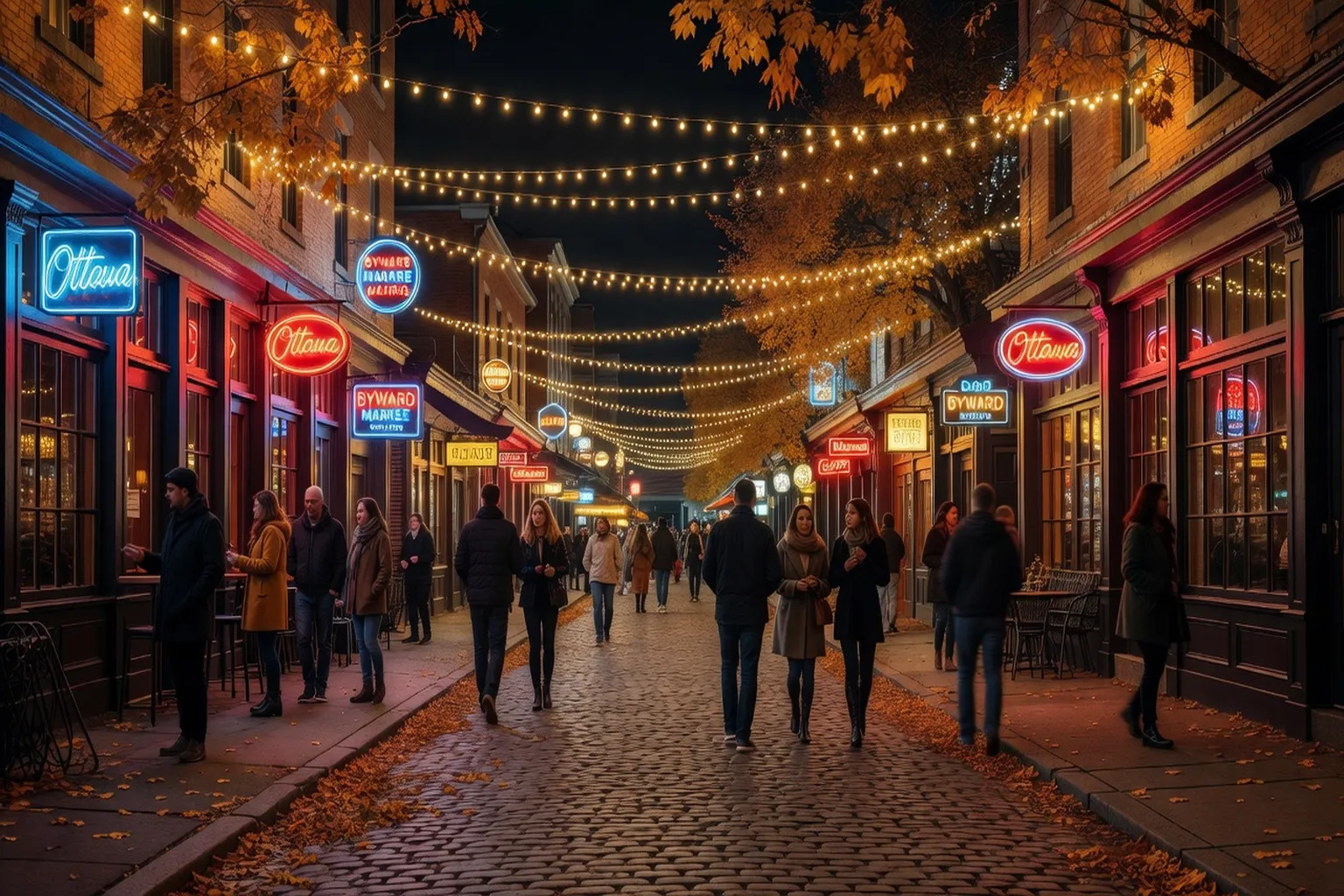
Ottawa’s nightlife scene offers a compact but varied mix of bars, live music venues, and late-night options that cater to locals and visitors alike. The city’s core districts concentrate activity within short distances, making it feasible to move between spots on foot or by short transit rides. Last call across Ontario establishments is set at 2:00 a.m., after which many venues close within thirty minutes, shifting crowds toward late-night food locations or quieter lounges that extend hours on weekends. The ByWard Market draws the largest crowds on peak Saturdays, with a noticeable boost during festival season when events such as the Ottawa Jazz Festival bring extra evening foot traffic downtown.
Ottawa after dark: what to expect from the scene
The Ottawa nightlife landscape centers on a handful of walkable zones rather than sprawling entertainment districts. Weeknight crowds remain modest, with peak attendance on Thursdays through Saturdays when university students and government workers fill the streets. Summer months extend outdoor seating until 11 p.m. or later on patios, while winter drives activity indoors to heated venues and smaller clubs. Public transit runs until approximately 1:30 a.m. on main routes, after which rideshares or taxis become the primary option for safe return travel. Foot traffic downtown noticeably increases from winter to summer, driven by festivals and patio weather. Government employees finishing shifts around 5 p.m. often head straight to early happy hours, while Carleton University and University of Ottawa students dominate after 10 p.m. on weekends. Winter conditions frequently drop temperatures below -15 °C, prompting venues to install infrared heaters and windbreaks that keep indoor tables occupied until closing, and designated drivers or pre-booked rides are a sensible precaution for late-night outings regardless of season. It’s also common for federal employees from nearby offices on Sparks Street to form groups for early happy-hour sessions that transition into dinner reservations before 8 p.m., especially during parliamentary sitting weeks when the downtown core stays busier into the evening. Extended patio hours with heaters have become more common at Bank Street venues in recent years, helping several spots hold onto outdoor-style seating well into the cooler months.
ByWard Market: the heart of Ottawa nightlife
ByWard Market functions as Ottawa’s densest concentration of bars and clubs, with dozens of establishments packed into a few blocks bounded by Sussex Drive, York Street, and George Street. The area features a blend of pubs, sports bars, and dance clubs that draw mixed crowds from early evening until close. Many spots open at 4 p.m. on weekdays and noon on weekends, with live DJs or cover bands common after 10 p.m. on Fridays and Saturdays. The neighborhood also supports the ByWard Market’s food culture through adjacent restaurants that transition into late-night service.
Concrete examples include venues such as The Heart & Crown, an Irish pub with live sessions across its multiple floors, and The Koven, a multi-level club that books electronic acts into the early morning. Street-level patios operate from May through September, while indoor capacity increases during colder months. Police presence intensifies on weekend nights, and the market square itself remains lit until after closing time. Both venues draw large weekend crowds, and it’s worth arriving early on Friday and Saturday nights to avoid lineups at the door. Local musicians note that summer humidity can affect sound quality on outdoor stages, so engineers keep a close eye on levels throughout the evening. Liquor licensing within the market has kept pace with steady demand for new venues in recent years. Visitors often combine an early dinner reservation with a club entry, minimizing the need to navigate side streets after last call. Buskers are a regular fixture near the central fountain on Friday evenings when foot traffic is heaviest, and several bars informally coordinate their own live sets around the crowds passing through. Wayfinding signage around the market has also improved in recent years, making it easier for visitors to find their way between venues at night.
Craft cocktail lounges and speakeasy-style bars
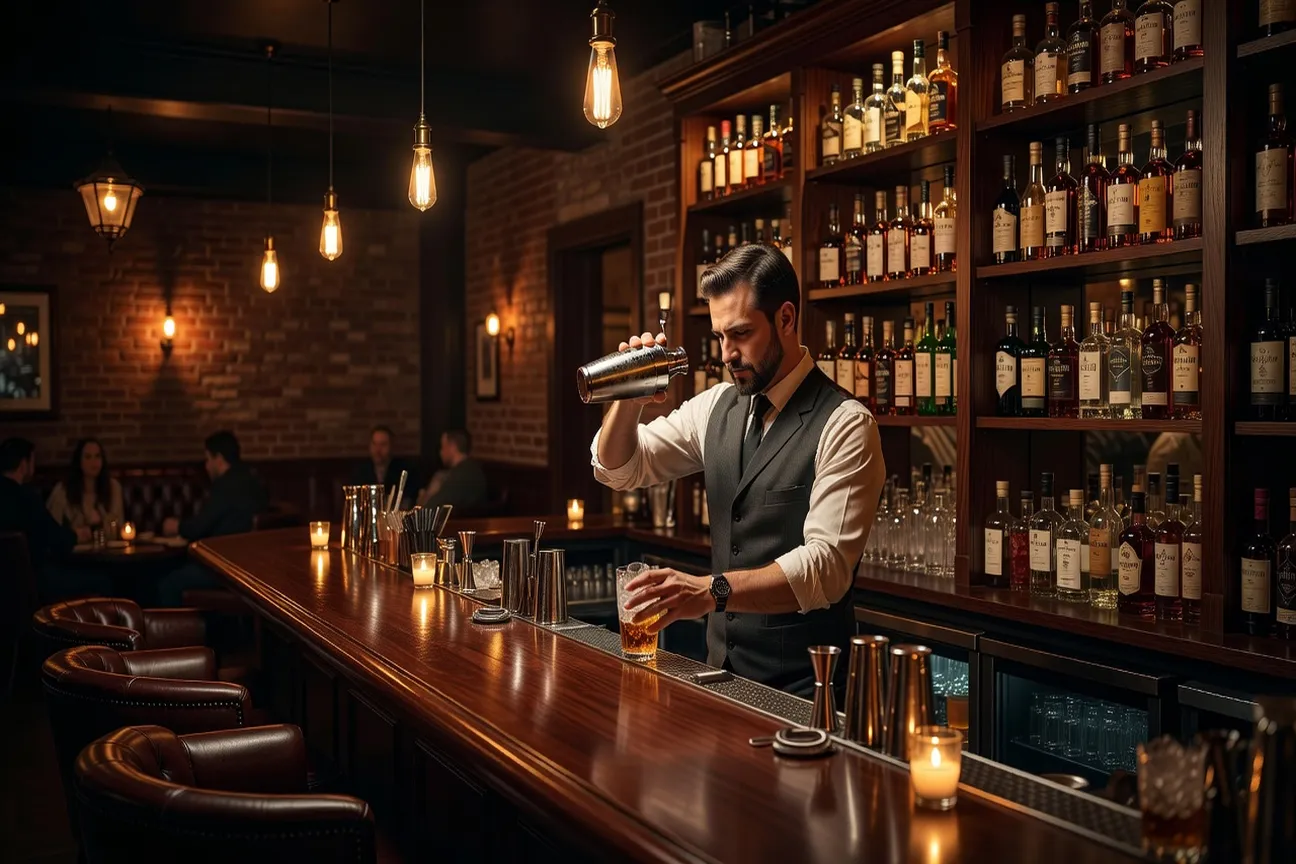
Downtown Ottawa hosts several craft cocktail bars that emphasize precise technique and seasonal ingredients over high volume. These venues typically open at 5 p.m. and maintain lower noise levels than market clubs, attracting professionals seeking conversation-friendly environments. Reservations are recommended on weekends, as seating often fills by 8 p.m.
Typical drink prices range from $16 to $22, though it’s worth checking a venue’s own site or menu for current pricing since craft cocktail lists change seasonally. Bartenders at Ottawa’s craft cocktail bars often prepare classics like the Old Fashioned with house-made bitters alongside original creations featuring Canadian rye or Quebec gin.
Tip: Arrive before 7 p.m. on weekdays to secure bar seating and avoid the post-dinner rush that begins around 8:30 p.m.
Several downtown cocktail bars occupy upper floors with skyline views, and a handful rotate their bitters and infusion lineups seasonally, sometimes incorporating regionally foraged ingredients such as spruce tips from the Gatineau area. Ottawa’s craft-cocktail scene has grown steadily, with bartenders often training extensively before leading service to keep pours and ratios consistent across a busy shift. Booking directly through a venue’s website or app is generally the most reliable way to secure a table and avoid a no-show situation on busy weekends. Guest bartender nights and limited-run seasonal cocktails using local spirits and honey do pop up from time to time at Ottawa’s cocktail bars, so it’s worth following individual venues on social media for one-off specials. A number of bars have also added zero-proof cocktail options in recent years, making the scene more accessible for designated drivers and non-drinkers.
Live music venues from intimate clubs to mid-size stages
Ottawa maintains a steady live music circuit that spans small rooms holding 100 patrons to mid-size halls with capacities near 1,000. Independent venues book local indie, jazz, and punk acts alongside touring bands several nights per week. Cover charges usually fall between $10 and $30, with advance tickets available through online platforms for larger shows.
Smaller clubs such as The Rainbow Bistro on Clarence Street feature blues and roots acts most weekends, while larger stages at venues like the Bronson Centre host touring rock and electronic performers. The scene peaks in spring and fall when festivals add outdoor stages, though indoor programming continues year-round. Sound quality varies by room size, with newer builds incorporating improved acoustics after renovations completed between 2018 and 2022.
- The Rainbow Bistro: blues and roots focus, intimate room
- Irene’s Pub: neighborhood singer-songwriter nights, small capacity
- Mid-size halls such as the Bronson Centre: touring rock, indie and electronic acts
The Rainbow Bistro has long been a fixture for blues and roots acts on Clarence Street, drawing loyal crowds for weekend shows by local and touring musicians. Irene’s Pub is known for its regular open-mic nights, giving local singer-songwriters a chance to perform short sets in a low-key neighbourhood setting. Note that Ottawa’s live music venue lineup changes over time — some rooms close or rebrand, so it’s worth checking a venue’s current listings or social media before planning a night around a specific show. Sound quality varies from room to room, with venues in older brick buildings sometimes requiring extra care from sound engineers to manage the acoustics. Ticket prices for touring acts can rise closer to a show date or once it sells out, so buying in advance through the venue’s official ticketing partner is generally the safest way to lock in a seat.
Rooftop patios and skyline views
Rooftop options in Ottawa remain limited compared with larger Canadian cities, yet several downtown and market-adjacent buildings offer elevated seating during warmer months. These spaces typically open in late April and close by mid-October depending on weather. Views encompass the Parliament buildings and the Ottawa River, with lighting that improves after sunset.
Popular locations include the rooftop at the Andaz Ottawa and the terrace at the Marriott downtown, both of which serve craft beer and cocktails until 11 p.m. on weekends. Several rooftops draw on Ottawa’s growing craft brewery scene for their taps, rotating seasonal releases alongside the usual cocktail menu. Capacity is restricted, and groups larger than six may require advance booking. Heaters extend usability into early fall evenings, though wind can make higher floors less comfortable after 10 p.m.
Rooftop and upper-floor venues like these typically add heaters or windbreaks to stretch the patio season into cooler evenings, though exact setups and hours vary by property and season, so it’s best to check directly with the venue before heading over on a chilly night. Large-group bookings often require a deposit or advance reservation at busier rooftops, so confirm the policy when you call ahead. Several rooftop and patio bars around the city rotate taps from Ottawa-area craft breweries such as Beyond the Pale, giving visitors a chance to try local beer alongside skyline views. As with any outdoor seating in Ottawa, a sudden summer thunderstorm can prompt a quick move indoors, and staff generally have a plan in place for getting guests under cover quickly when weather turns.

Late-night eats after the bars close
After 2 a.m. last call, options narrow to a handful of 24-hour or late-night kitchens scattered near the market and along Rideau Street. These spots serve quick items such as poutine, burgers, and breakfast plates until 4 a.m. or later on weekends.
- Shawarma Palace on Rideau Street stays open late on weekends, well past bar close
- The Works Gourmet Burger Bistro offers a limited late menu on Fridays and Saturdays
- Zak’s Diner provides all-day breakfast with extended hours on weekends
Queues form quickly near popular clubs, so many visitors place orders before leaving their final bar. Delivery apps expand choices but add 30–45 minutes during peak post-closing periods. Shawarma Palace is a long-running fixture on Rideau Street, popular with the post-bar crowd for its shawarma wraps and platters, and garlic sauce is a near-universal add-on. The Works maintains a separate late-night grill station that keeps ticket times reasonably quick even during a rush. Zak’s Diner is a classic Ottawa diner known for its retro decor and all-day breakfast menu, a reliable stop for anyone craving pancakes or eggs after a night out. Rideau Street tends to be one of the busiest areas in the city for delivery app orders after last call, and it’s normal to see higher delivery fees or longer wait times during that peak window on weekends.
Nightlife by neighbourhood: Glebe, Westboro and beyond
Beyond the market core, the Glebe and Westboro neighborhoods provide lower-key alternatives with neighborhood bars and occasional live music. The Glebe features several pubs along Bank Street that close at 1 a.m. on weekdays, while Westboro offers craft beer bars and a few cocktail spots near the transit station. These areas attract residents rather than large visitor crowds and maintain earlier closing times than central venues.
A comparison of neighborhood characteristics appears below:
| Neighbourhood | Primary Vibe | Typical Close Time | Transit Access |
|---|---|---|---|
| ByWard Market | High-energy clubs | 2:00–2:30 a.m. | Excellent |
| Glebe | Casual pubs | 1:00 a.m. | Good |
| Westboro | Craft beer focus | 1:00–2:00 a.m. | Very good |
| Downtown | Cocktail lounges | 2:00 a.m. | Excellent |
For a deeper look at how residents split their time across these districts beyond just nightlife, see this guide to Ottawa’s neighbourhoods and where locals actually go. Glebe pubs such as The Lieutenant’s Pump draw a strongly local weeknight crowd, and trivia nights are a reliable draw for regular teams of friends and coworkers. Westboro’s craft-beer scene centers on a couple of taprooms that rotate through a wide selection of taps, often featuring releases from Ottawa-area breweries such as Beau’s and Kichesippi. Because both neighbourhoods are largely residential, last call tends to come earlier than in the market, and noise is generally kept in check out of consideration for nearby homes. Transit frequency drops sharply after 11 p.m., leaving many patrons to walk or use rideshares for the final leg home. Look out for the occasional one-night collaboration or limited-release pour between local breweries, which can be a fun reason to check out a neighbourhood taproom on a weeknight.
Seasonal differences: summer patios versus winter indoor scene
Summer nightlife shifts outdoors as soon as temperatures allow, with patios operating from May through September and extended hours on weekends. Winter reverses this pattern, concentrating activity in heated indoor spaces and reducing foot traffic between venues. Snow and ice also affect walking routes, prompting greater reliance on rideshares after 11 p.m.
Common mistake: Assuming patio season extends reliably past mid-October; sudden cold snaps frequently force early closures.
Patios fill up quickly on Friday and Saturday evenings from May through September, and arriving early or booking ahead is a good idea if outdoor seating is the goal. Winter months shift emphasis to venues with fireplaces and enclosed heated areas, where guests tend to linger longer than they would on a summer patio. Snow-removal crews generally clear primary routes early in the morning, but side streets near the market can stay icy well into the day, so sturdy footwear and extra caution are worthwhile on weekend nights. During particularly cold snaps, some downtown lounges extend fireplace or heated seating to keep outdoor-adjacent spaces usable a little longer into the season. A number of patios around the city have also invested in insulated windbreaks and heaters in recent years to stretch the shoulder-season patio window further into spring and fall.
Getting around safely at night
Public transit, rideshares, and walking form the main transport options after dark. OC Transpo buses and the O-Train run until roughly 1:30 a.m. on core routes, after which service gaps require alternative planning. The city’s getting around Ottawa without a car guide outlines bike-share and pedestrian routes that remain viable until late evening.
Rideshare availability increases after 11 p.m., though wait times can stretch out during the immediate post-last-call rush as demand spikes all at once. Walking between nearby venues is generally safe within the illuminated core, though side streets benefit from groups or well-lit paths. Police foot patrols increase on Thursday through Saturday nights. Weekend ridership on the final O-Train and bus departures downtown is noticeably higher than on a typical weeknight, reflecting the later crowds coming out of the market and downtown venues. Bike-share usage, where available, tends to fall off sharply once temperatures drop below freezing, making it a mostly seasonal option for a late-night ride home. Check OC Transpo’s official schedule and any current service alerts before planning a night that depends on the last bus or train, since routes and hours can shift with construction or seasonal changes.
A sample Ottawa night-out itinerary
A typical evening might begin with dinner near the market, followed by craft cocktails downtown, live music, and late-night food before return transit. One workable sequence starts at 6 p.m. with a reservation at a ByWard restaurant, moves to a rooftop at 8 p.m., then a 10 p.m. show at a mid-size venue, and concludes at a 24-hour diner around 1:30 a.m. Adjustments for season involve swapping patios for indoor lounges between November and March. Accommodation choices near the market simplify late returns; see where to stay in Ottawa for options within walking distance of major venues.
| Time | Stop | Winter alternative |
|---|---|---|
| 6:00 p.m. | Dinner reservation, ByWard Market | Same |
| 8:00 p.m. | Rooftop patio, two cocktails | Indoor cocktail lounge |
| 10:00 p.m. | Live music at a mid-size venue | Same |
| 1:00 a.m. | 24-hour diner or late-night eats | Same |
| 1:30 a.m. | Rideshare or short walk home | Same, budget extra time for icy sidewalks |
The sample sequence works well for a small group who pre-book a dinner reservation on a York Street restaurant known for turning tables efficiently after 8 p.m. The rooftop segment allows time for a couple of cocktails each before walking to the music venue, which is typically a short walk from the downtown core. Post-show transit to the diner is usually quick on foot, helping avoid the post-2 a.m. rideshare queue that can build up quickly once bars start closing. Winter adjustments replace the rooftop hour with an earlier indoor lounge stop, preserving the same overall timeline while accounting for longer walks between heated spaces. Building in a little buffer time between stops is always a good idea, since live shows can run long and last-minute changes are part of any night out. Visitors planning multiple cities can reference planning a broader Canadian trip or compare with European city break itineraries for context on similar urban scenes.
Frequently asked
The ByWard Market has the highest concentration of bars and clubs within walking distance of each other, making it the easiest area for a bar crawl. The Glebe and Westboro offer a quieter, more local pub atmosphere for those who prefer a lower-key evening.
Yes, Ottawa has a mix of small independent venues showcasing local and touring acts alongside mid-size stages that book national and international performers, particularly strong in folk, indie and jazz.
Last call in Ontario is typically 2am, with most bars closing shortly after. Some late-night food spots in the ByWard Market stay open later to catch the post-bar crowd.
Several downtown hotels and bars offer rooftop or upper-floor patios with views toward Parliament Hill or the Ottawa River, especially popular during the summer patio season.
OC Transpo runs reduced late-night service on some routes, and taxis or ride-hailing apps are widely available downtown, making a car unnecessary for a night out in the core.