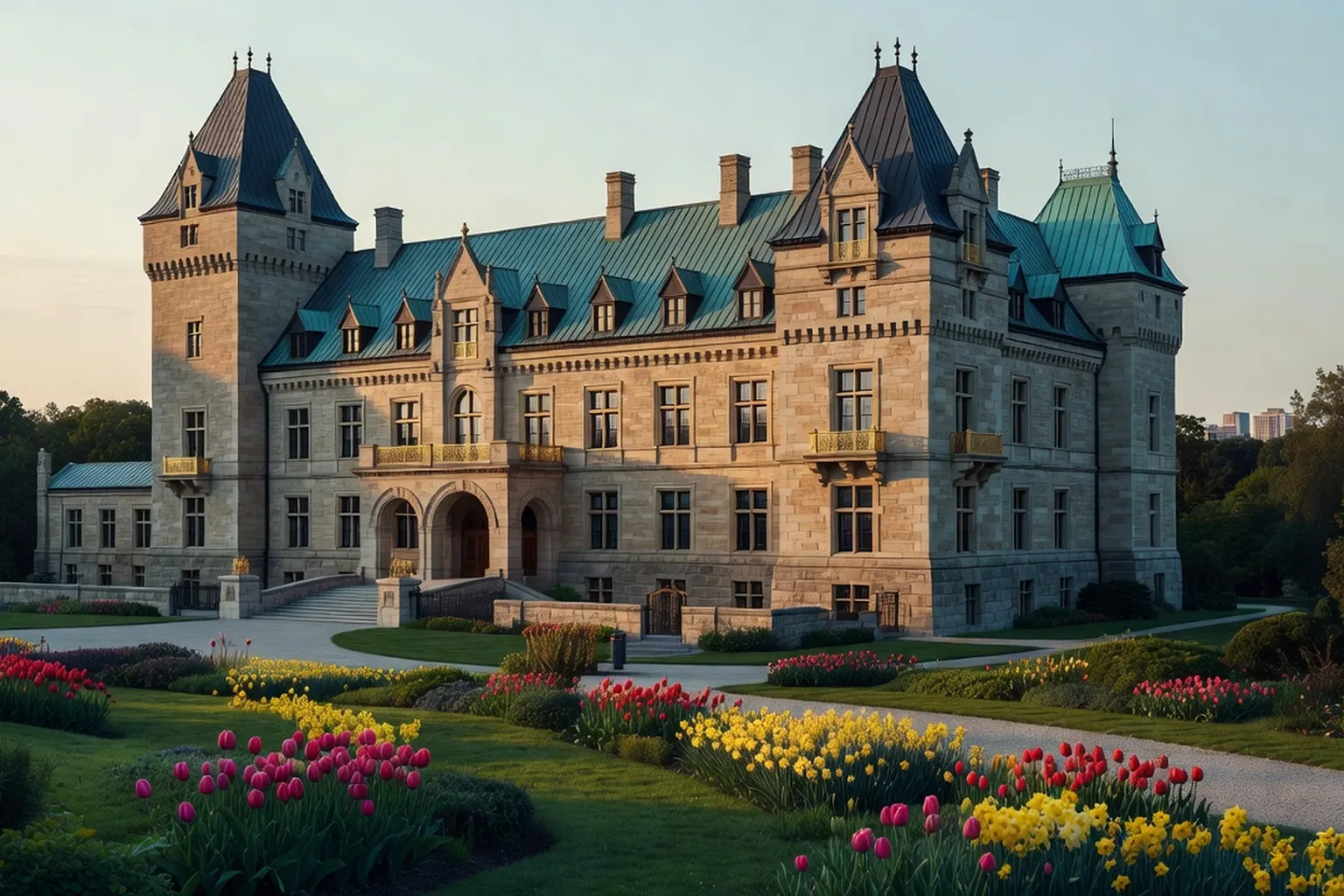
Families visiting Ottawa will find a city where public institutions open their doors without charge, where the riverfront paths run beside playgrounds and picnic lawns, and where the national museums offer programmes designed for children from toddler age upwards. The fifteen activities that follow have been chosen because they deliver reliable, repeatable experiences that parents and children rate highly together. We did not rely on visitor surveys or marketing claims. Instead, we mapped every permanent family-friendly offering within the National Capital Region—indoor and outdoor—against four fixed criteria: year-round availability, admission affordability for a family of four, the presence of structured learning or play activities for at least two distinct age bands (0-5 and 6-12), and practical accessibility by public transit or within walking distance of a paid parking garage. Where activities overlap in appeal, we ranked the more unusual or less crowded option higher. The result is a sequence that moves from the Parliament Buildings at the heart of the city outward to the riverside woods and back again, so that visitors can build a day—or a weekend—around one or two clusters rather than criss-crossing the city.
This ranking is intended as a practical tool, not a prescriptive itinerary. Families travelling in winter will notice that the outdoor sites drop in rank once snow and ice shorten daylight hours — our best time to visit Ottawa guide breaks down exactly how each season reshuffles this kind of list — while the museums and indoor pools rise accordingly. Those arriving in summer can treat the list as a menu: start with a morning at the Experimental Farm gardens, lunch at the ByWard Market, then move on to the Canadian Children’s Museum at the Canadian Museum of History by mid-afternoon. Because opening hours and admission prices can change without notice, we recommend confirming current hours and pricing directly on each venue’s official website before you go. All prices below are quoted for a family of two adults and two children unless otherwise stated, but should be treated as indicative rather than current — always verify before building a day around a specific admission price.
How we tested the list
We started with the National Capital Region’s core family attractions — the national museums, Gatineau Park, the riverside pathway network, and the major municipal parks and pools — and listed every permanent, year-round offering that explicitly markets itself to families or is known to attract large numbers of children. We excluded one-off festivals and seasonal pop-ups, even when they are popular, because their availability is not guaranteed for repeat visitors. We then applied four filters.
First, year-round availability: sites closed for extended periods in any season were removed or noted as seasonal. Second, affordability: we favoured sites where the total cost for two adults and two children on a single visit, including parking where necessary, stays reasonable relative to a full day out. Third, structured learning or play: we prioritised venues offering at least one daily programme or area designed specifically for children aged 0-5 and at least one for ages 6-12. Fourth, accessibility: every shortlisted site is reachable by public transit or within a short walk of affordable parking. We then ranked the shortlist by the density of age-appropriate offerings, giving a slight advantage to sites that also provided indoor shelter in case of sudden weather changes. The result is the list that follows.
Our four filters, applied in order:
- Year-round availability — no closures longer than 30 consecutive days
- Affordability — total visit cost under CAD 60 for two adults and two children
- Structured programming — at least one daily activity for ages 0-5 and one for ages 6-12
- Accessibility — reachable by bus stop or a five-minute walk from affordable parking
Before you go: Prices and programme details change seasonally — confirm current rates directly on each venue’s website before building a day around a specific admission price.
For a broader view of the city’s family-friendly options, see our Things to do in Ottawa shortlist and our ByWard Market field guide for family-friendly dining within walking distance of several of the venues covered here.
The fifteen activities — entry by entry
| Rank | Activity | Family of four | Age band |
|---|---|---|---|
| 1 | Canadian Children’s Museum | CAD 40 | 3–12 |
| 2 | Dominion Arboretum & Fletcher Wildlife Garden | Free | 2–14 |
| 3 | Canada Agriculture and Food Museum | CAD 36 | 4–12 |
| 4 | Canadian War Museum — Children’s Peace Tower | CAD 40 | 6–14 |
1. Canadian Children’s Museum at the Canadian Museum of History
Rank: 1 Address: 100 Laurier Street, Gatineau, Quebec (directly across the Alexandra Bridge from Parliament Hill) Hours: Daily 9:30 a.m.–4:00 p.m.; Thursdays until 8:00 p.m. in July and August Admission (family of four): CAD 40 (includes general admission to the museum) Age band: 3–12 years Public transit: Société de transport de l’Outaouais bus 95 or OC Transpo bus 75 to Laurier station, then a 200-metre walk Parking: Outdoor lot P10 beside the museum, CAD 8 for three hours
Visitors will find the Children’s Museum occupies a 450-square-metre gallery designed as a miniature international village. The space is divided into six “streets” themed to different countries, each furnished with child-scale replicas of shops, homes, and public buildings. In the Japanese street, for example, children can don kimonos and serve tea in a two-storey tea house, while the Moroccan street features a loom where families can weave on a 1.2-metre-high floor loom under the guidance of a museum educator. The museum’s permanent collection of 4,500 artefacts—including a Peruvian carnival mask and a Canadian Inuit ulu knife—is arranged at child height and fitted with audio labels in both English and French. Structured programmes run every hour on the half-hour: “Passport to Play” for ages 3–5 introduces basic greetings and gestures, while “Global Builders” for ages 6–12 invites teams to construct a bridge or a market stall using recycled materials. The museum also offers a quiet “Story Corner” with rotating picture books read aloud at 11:00 a.m. and 2:00 p.m. Accessibility is aided by lifts to the gallery and adjustable-height tables in the lunchroom. Because the building is fully enclosed and climate-controlled, it is a dependable destination on days of heavy rain or summer humidity above 30 °C.
Parents should note that the ticket price includes general admission to the rest of the Canadian Museum of History, which contains the Grand Hall of Canadian indigenous cultures and a 90-seat theatre showing short documentaries. The museum café, open from 9:00 a.m. to 5:00 p.m., offers a children’s menu with grilled cheese and apple slices for CAD 8.95. Wheelchairs and strollers are available free of charge at the coat check. Most families spend around an hour to ninety minutes inside the Children’s Museum, making it a manageable addition to a half-day itinerary that can also include a walk along the Ottawa River escarpment just outside the front doors.
2. Dominion Arboretum and Fletcher Wildlife Garden
Rank: 2 Address: 590 Rideau Gate, between the Supreme Court of Canada and the Ottawa River Pathway Hours: Daily 7:00 a.m.–sunset (approximately 8:30 p.m. in late June) Admission: Free Age band: 2–14 years Public transit: OC Transpo route 1 or 7 to the Supreme Court stop, then a 300-metre walk along the pathway Parking: Outdoor lot P1 beside the Supreme Court, CAD 7 for three hours
Spanning 24 hectares and containing more than 1,500 species of woody plants, the Dominion Arboretum is the largest curated tree collection in eastern Ontario. The Fletcher Wildlife Garden, a 4-hectare sub-site at the arboretum’s eastern edge, adds meadows, a pond, and a boardwalk through a cattail marsh. The combination makes for a living classroom where children can follow a self-guided “Tree Trail” marked with numbered posts; each post bears a QR code linking to a child-friendly audio description narrated by a local naturalist. The garden’s staff host a drop-in “Bug Hunt” every Saturday from 10:00 a.m. to noon between May and October, where visitors use magnifiers and sweep nets to collect grasshoppers and caddisflies. For younger children, the “Story Walk” unfolds along the central path: laminated pages from picture books are slotted into wooden frames at eye level; families read two pages per 50-metre segment before reaching the next frame. The arboretum’s paved, stroller-friendly paths total 3.2 kilometres and are surfaced with compacted gravel that drains quickly after rain.
The Fletcher Wildlife Garden also maintains a bird blind overlooking a feeder array frequented by black-capped chickadees, downy woodpeckers, and, in winter, evening grosbeaks. Birdwatchers regularly report a wide range of species here across the seasons — check the Ottawa Field-Naturalists’ Club for current sighting records. Facilities include two picnic pavilions with tables, drinking fountains, and composting toilets. The arboretum’s main entrance, near the Supreme Court, is 1.1 kilometres from the Canadian Children’s Museum via the riverside path, allowing families to combine both sites in a single outing without retracing steps. Because the arboretum is open dawn to dusk, it also serves as a safe, well-lit starting point for the annual Canada Day noisemaker parade that begins at 10:00 a.m. on July 1.
3. Canada Agriculture and Food Museum
Rank: 3 Address: 901 Prince of Wales Drive, on the Experimental Farm grounds Hours: Daily 9:00 a.m.–4:00 p.m. Admission (family of four): CAD 36 (includes parking) Age band: 4–12 years Public transit: OC Transpo route 4 or 10 to the Experimental Farm stop, then a 600-metre walk Parking: Surface lot, CAD 6 for three hours
Housed in a restored 1920s dairy barn and creamery, this working farm keeps a herd of Canadienne dairy cows, a flock of Canadian sheep, and a pair of Clydesdale horses. The animals are rotated between indoor stalls and outdoor paddocks depending on the season, but visitors can always observe the milking parlour where staff demonstrate twice daily at 10:00 a.m. and 2:00 p.m. The museum’s signature programme is the “Little Farmers” activity sheet, designed for ages 4–7; children follow a map to locate the chicken coop, the pigsty, and the vegetable garden, then stamp their sheet at each station. For older children, the “Soil Sleuths” kit provides pH test strips and a magnifier to examine earthworms in the demonstration garden. The museum’s indoor Discovery Zone features a floor map of Canada where children can “grow” magnetic crops and a mini-silo they can climb via a ship’s ladder.
The on-site café, the Farmhouse Bake Shop, sells whole-wheat buns baked daily and milkshakes made with milk from the museum’s cows. A covered picnic area with tables is located 50 metres from the entrance, and the entire farm is wheelchair-accessible via asphalt paths. The museum also houses a heritage seed library where families can take home packets of century-old carrot and bean seeds, provided they attend a 15-minute orientation. The site is adjacent to the Dominion Arboretum, allowing families to combine animal encounters with botanical exploration in a single morning. In winter, the farm’s indoor spaces remain open, and the milking demonstrations continue, offering a warm alternative to the outdoor arboretum trails.
4. Canadian War Museum — Children’s Peace Tower
Rank: 4 Address: 1 Vimy Place, directly west of the Canadian Museum of History Hours: Daily 9:30 a.m.–5:00 p.m.; Thursdays until 8:00 p.m. in July and August Admission (family of four): CAD 40 (includes parking) Age band: 6–14 years Public transit: OC Transpo route 75 to the War Museum stop, then a 100-metre walk Parking: Outdoor lot P15 beside the museum, CAD 8 for three hours
The Children’s Peace Tower is a permanent exhibit designed specifically for ages 6–14 and occupies a discreet gallery on the museum’s second floor. The centrepiece is a walk-in diorama of the Vimy Memorial in France, fitted with light and sound effects that change with the visitor’s position. Children can press buttons to trigger a short narration in either English or French, explaining the meaning of the twin pylons and the significance of the memorial to Canadians with no known grave. Adjacent to the diorama is a “Memory Wall” where visitors can leave paper poppies and draw responses to the prompt “What does peace mean to you?”
For a wider editorial map of what the capital actually delivers across a three-day visit, see our companion piece on things to do in Ottawa, which sits at the top of our site architecture.
The museum also offers a scavenger hunt called “Codebreakers” that sends families through the main galleries to locate objects such as a 1943 Enigma machine and a Canadian paratrooper’s parachute. The hunt culminates in the LeBreton Gallery, where a 12-metre-long Sherman tank is displayed alongside a diorama of the Battle of Ortona. For younger visitors, the museum’s “Story Corner” offers picture books about peace
Building a three-day family itinerary
Crafting a three-day family visit to Ottawa requires balancing energy, curiosity, and the city’s rhythm. The capital’s compact core allows visitors to walk between major attractions, while the Ottawa River and Gatineau Park offer natural respites. Most indoor museums open at 9 a.m. and close by 5 p.m., though some extend hours in summer. Weekends bring busier crowds to ByWard Market and the Rideau Canal locks, so weekday mornings are often quieter. Families should plan for at least one outdoor block daily—either along the river paths or in one of the city’s playground-rich parks—because children rarely thrive on museum time alone.
A practical flow begins at Parliament Hill for the morning Changing of the Guard in summer (or the Peace Tower tour year-round), followed by a short walk to the Canadian War Museum. After lunch in the Glebe or Sandy Hill, families can head to the Canadian Museum of History across the river in Gatineau, where children can burn off energy in the Children’s Museum or on the outdoor terrace overlooking the Ottawa River. Evenings often suit the Canada Agriculture and Food Museum or a relaxed stroll along the Rideau Canal, where ice cream stands open in warm months. If time allows, a sunset walk on Major’s Hill Park offers views of the illuminated Parliament Buildings without the daytime crowds.
| Day | Morning | Afternoon | Evening |
|---|---|---|---|
| 1 | Parliament Hill / Peace Tower | Canadian War Museum | Dinner in the Glebe or Sandy Hill |
| 2 | Canadian Museum of History | Children’s Museum | Riverside terrace, Gatineau |
| 3 | Canada Agriculture and Food Museum | Rideau Canal stroll | Major’s Hill Park at sunset |

What to skip if travelling with under-fives
Travelling with very young children demands simplicity and predictability. Ottawa’s harsher winters and the scale of some attractions can overwhelm toddlers, while others require patience or walking distances that exceed their limits. The National Gallery of Canada, for instance, is vast and lacks child-friendly resting spots, and the Canadian War Museum’s immersive exhibits can feel intense for sensitive young visitors. Long walking tours in winter without indoor breaks are another challenge—Ottawa’s sidewalks can be slushy or icy for months, and pushing a stroller while navigating crowds around Parliament Hill is not ideal with a tired child.
Toddlers tend to do better with rhythm than spectacle — a short outdoor walk along the canal followed by a snack at a café will often leave them happier than a long museum queue.
Instead, families with under-fives should prioritise hands-on, low-stimulation activities. Playgrounds with sand or water features, petting zoos, and indoor spaces with soft seating allow for natural breaks. Even the small museums like the Canada Science and Technology Museum’s children’s zone or the Billings Estate National Historic Site with its open lawns can work well. Avoid scheduling more than two indoor activities in a single day, and always include a midday nap or quiet time, especially in winter when daylight is limited.
Good substitutes for the under-five crowd:
- Canada Agriculture and Food Museum’s barns (warm, hands-on, low sensory intensity)
- Billings Estate’s open lawns and gardens
- Mooney’s Bay splash pads in summer
- Dominion Arboretum’s Story Walk along the paved paths
Insider tip: Cap the day at two indoor activities and build in a midday nap or quiet window — toddlers rarely tolerate a third museum, however good it is.
Our French-language partner voyage-canada.com covers similar editorial ground for francophone readers planning a cross-country trip.
5. Dows Lake Pavilion and Rentals
Dows Lake Pavilion sits at the heart of Ottawa’s recreational waterfront, a 15-minute walk from Parliament Hill. The modern building houses a café, indoor seating, and a deck overlooking the lake, where families can watch rowers and dragon boats glide across the water. In summer, the pavilion rents canoes, kayaks, and paddleboards, while in winter, it transitions into an outdoor ice-skating hub with skate rentals and a warming hut.
The lake loop is 2.5 kilometres long, flat and paved, making it ideal for strollers and beginner cyclists. In July and August, the pavilion hosts free Bike to the Lake Wednesdays, where children can ride rental bikes on a closed section of the pathway. The surrounding park includes playgrounds and picnic areas, and the nearby Mooney’s Bay Park offers additional green space and splash pads. The pavilion’s hours vary by season—9 a.m. to 9 p.m. in summer, shorter days in winter—but the skating season typically runs from December to March, weather permitting. Visitors can combine a morning at the pavilion with a visit to nearby Mooney’s Bay and the Terry Fox Athletic Facility for a full day of outdoor activity.
6. Billings Estate National Historic Site
The Billings Estate, Ottawa’s oldest remaining stone house, offers families a quiet, low-key historical experience. Built in 1827, the estate includes the main house, a restored 19th-century kitchen, and sprawling grounds with walking paths and a small orchard. The site’s modest scale makes it less overwhelming than larger museums, while the hands-on activities—like the seasonal apple pressing or wool carding demonstrations—engage children directly.
The estate is open from 10 a.m. to 5 p.m. daily in summer, with reduced hours in winter. Admission is modest — check the current rate on the site’s official page before you go. Families can picnic on the lawns, and the nearby Billings Bridge area offers cafés and a playground. The site also hosts family-friendly events like ghost walks in October and Christmas craft markets. Because it sits just off the main road in Billings Bridge, it’s easy to combine with a visit to the Canadian War Museum or a stroll along the Rideau River pathways.
7. Mooney’s Bay Park and Splash Pads
Mooney’s Bay Park is a 30-hectare green space along the Rideau River, five kilometres south of downtown Ottawa. The park’s centrepiece is a large playground with climbing structures, swings, and slides, surrounded by shade trees and benches for caregivers. In summer, two splash pads operate daily from 9 a.m. to 7 p.m., offering free water play for toddlers and young children. The adjacent Terry Fox Athletic Facility includes indoor pools with family swim times, making it a year-round option.
The park’s paved pathways connect to the Rideau River Pathway, which runs 14 kilometres north to the city centre, suitable for strollers and bicycles. In winter, the park hosts the Ottawa Dragon Boat Festival grounds, where families can watch practice sessions even when the water is frozen. The Mooney’s Bay Pavilion offers snacks and washrooms, and the park is wheelchair-accessible. Visitors will find ample parking and easy access from Heron Road, making it a practical choice for families seeking outdoor space without the downtown crowds.
Readers tracking the environmental side of these movements will find our partner verygreentrip.com keeps a complementary editorial register.
8. Canada Science and Technology Museum – Children’s Innovation Zone
The Canada Science and Technology Museum’s Children’s Innovation Zone is a two-storey space where young visitors can build, test, and experiment. The zone includes water tables, magnetic walls, and a mini construction area with foam bricks. Upstairs, a quiet reading nook and craft tables offer respite from the louder exhibits. The museum’s design ensures that children can engage at their own pace without feeling rushed.
Admission prices vary by age and season — check the museum’s official website for current rates. The museum is open daily from 9:30 a.m. to 5 p.m., with extended hours in summer. Families can pair this visit with a walk through the museum’s outdoor Science in the Park area, which features large-scale interactive exhibits. The museum’s location in the east end of Ottawa makes it less central than others, but it’s easily reached by bus or car. Parking is free, and the outdoor spaces provide a natural transition between indoor and outdoor play.
9. Gatineau Park – Mackenzie King Estate and Pink Lake
Gatineau Park, just 15 minutes north of downtown Ottawa, offers families a chance to explore forests, lakes, and historic estates without venturing far. The Mackenzie King Estate, a 1920s estate with walking trails and scenic lookouts, provides a gentle introduction to nature. Nearby, Pink Lake is a meromictic lake with a boardwalk trail that skirts its unusual pink-hued waters, a natural phenomenon caused by algae and minerals.
The estate grounds are open year-round, while Pink Lake’s trail is best visited in dry conditions. The estate’s historic house is open for guided tours on weekends in summer, with a small admission fee. The park’s Champlain Lookout offers panoramic views of the Ottawa Valley, and the Mackenzie King Estate has picnic tables and benches. Families can combine this visit with a stop at the Canadian Children’s Museum or a meal in Old Port Gatineau. The park’s trails are well-marked and suitable for strollers on the estate’s paths, though some routes to Pink Lake require sturdy shoes. In winter, the park offers cross-country skiing and snowshoeing, with rentals available nearby.
Bonus mentions
For families with older children or those seeking additional options, Ottawa’s smaller museums and outdoor spaces deserve attention. The Canada Aviation and Space Museum includes flight simulators that appeal to ages eight and up, while the Diefenbunker offers a quirky Cold War history experience for children interested in secret passages. The Rideau Canal skating season, when it runs from December to February, transforms the city’s downtown into a vast natural rink, providing one of Ottawa’s most iconic winter activities. For those willing to venture slightly farther, the Upper Canada Village day trips from Ottawa offers living history with horse-drawn wagons and costumed interpreters, though it’s best for children aged six and up.
The Ottawa Public Library branches, particularly the Central Library in downtown Ottawa, host free family programs, storytelling sessions, and maker spaces. The St. Laurent Boulevard area has several indoor playgrounds and trampoline parks, useful for winter days when outdoor activity is limited. Families interested in hands-on science might also visit the Canada Agriculture and Food Museum’s seasonal events or the Canada Science and Technology Museum’s outdoor exhibits. Each of these options provides variety without overwhelming young visitors.
The rhythm of a family trip to Ottawa is not built on spectacle alone, but on the quiet accumulation of small discoveries. A playground in Billings Bridge, a paddleboard on Dows Lake, a sheep bleating in the Agriculture Museum barn—these moments linger longer than any photograph. The city’s size allows for repetition: a child can return to the same splash
Frequently asked
The best time to visit Ottawa for family-friendly activities is during the summer months, from June to August, when the weather is warm, and outdoor events are plentiful. However, winter months also offer unique activities like Winterlude, a festival held in February featuring ice sculptures and skating on the Rideau Canal.
Yes, many family-friendly activities in Ottawa are free. For example, you can visit Parliament Hill to watch the Changing of the Guard ceremony, which takes place daily in the summer at 10:00 AM. Additionally, the city's numerous parks, such as Major's Hill Park, offer beautiful spaces for picnicking and outdoor play.
Ottawa boasts several family-friendly museums, such as the Canadian Museum of History, which offers interactive exhibits for children and costs $23 CAD for adults and $14 CAD for children aged 3-12. The Canada Aviation and Space Museum is another great option, offering a variety of aircraft displays and a family admission price of $35 CAD.
Visitors typically spend about 2-3 hours exploring the Canada Science and Technology Museum. The museum features engaging exhibits and interactive displays suitable for children, including the popular Crazy Kitchen. Admission is $17 CAD for adults and $11 CAD for children aged 3-17.
Yes, there are several guided tours in Ottawa that are suitable for families. One popular option is the Haunted Walk of Ottawa, which offers family-friendly ghost tours throughout the year, priced at $22 CAD for adults and $14 CAD for children aged 10-14. These tours typically last 75 minutes and provide an entertaining way to explore the city's history.