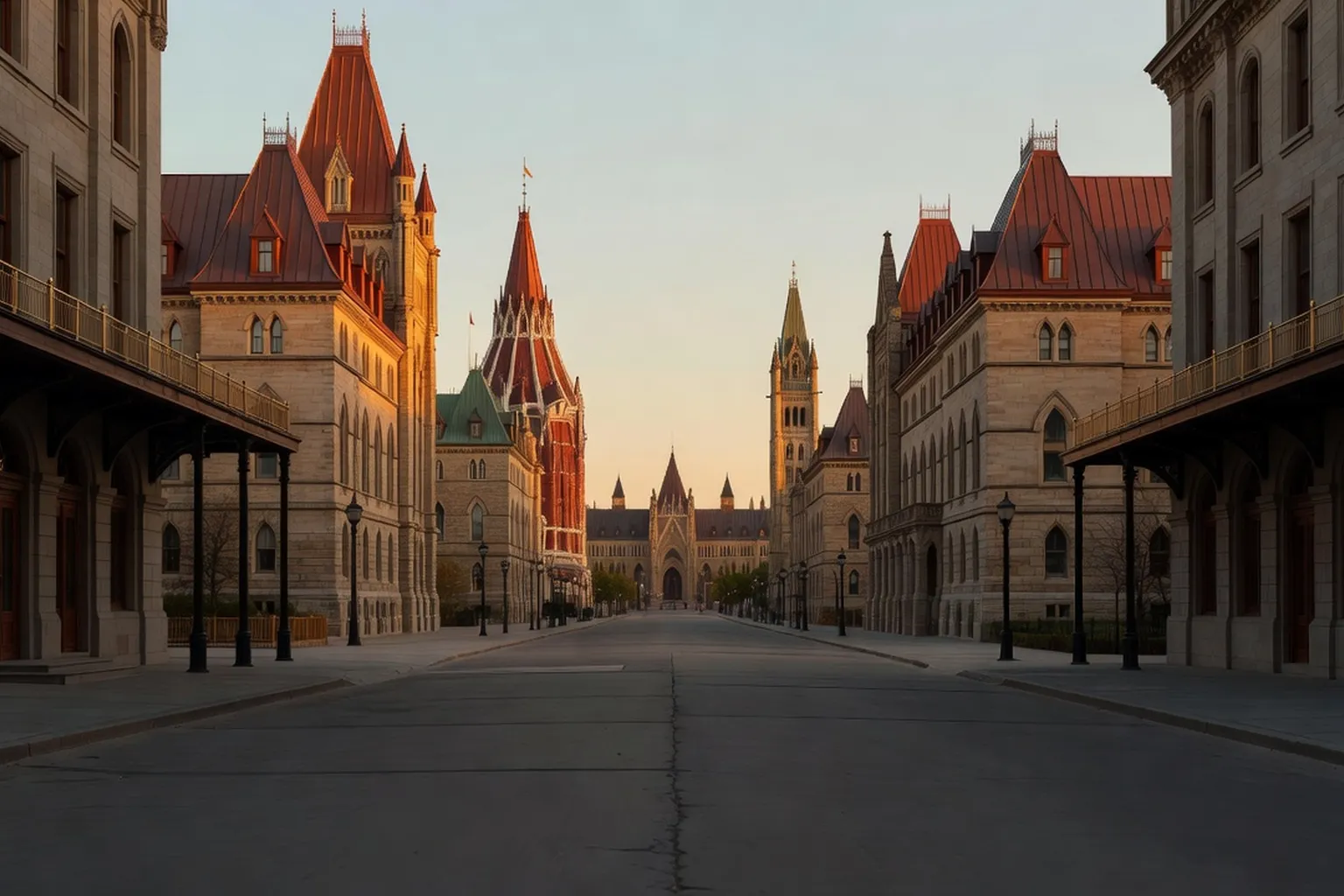
In the heart of Canada’s capital, walking-tour operators offer visitors an immersive glimpse into the city’s history and culture. For this piece, we spoke with a member of the guiding community who has led first-timer city tours of Ottawa for over a decade, at a café near the ByWard Market between two morning groups. The following reflects insights gathered from that conversation, presented in an editorial Q&A format built around a composite, non-attributed guide voice rather than a single named individual.
Guides who work Ottawa’s first-timer circuit typically come to the job through a mix of local history studies, tourism training, and hands-on experience at the city’s museums and heritage sites. Many are bilingual in French and English, which helps them bridge cultural divides on mixed-language tours. What follows draws on that shared, on-the-ground experience rather than one individual’s biography.
Meet the guide: first-timer tours, from the inside
Question: What draws people into becoming a city guide in Ottawa, and how does the role tend to evolve?
The guide: Most guides describe getting into city tours through a love of history and storytelling combined with an interest in the layers of history surrounding the capital. Many start at a walking-tour operator and find it a natural way to blend a passion for history with engaging people from all walks of life. Over time, the role tends to evolve from conducting basic tours to curating more specialised experiences for diverse groups, including educational tours for schools and customised itineraries for visiting delegations.
Early on, the focus is usually on learning the city’s narrative. With experience, guides tend to shift toward creating connections between Ottawa’s past and present, helping visitors see the city through a more nuanced lens. Time spent at local museums and heritage sites is often instrumental in honing storytelling skills, since it requires conveying complex historical context in an accessible way.
Ottawa’s tourism industry has also shifted over the past decade, with a growing emphasis on sustainable and inclusive practices — guides are constantly adapting, whether that means incorporating more interactive elements into tours or tailoring experiences for a broader range of cultural backgrounds, including tours that focus on Indigenous history and contributions.
Question: What kind of moment tends to stick with guides after years of leading tours?
The guide: Guides often point to moments around Parliament Hill and the Changing of the Guard ceremony as the ones that stay with them — watching a first-time group, especially students or younger visitors, take in the scale of the Centre Block and the precision of the ceremony for the first time. It’s a reminder of why many people stay in the job: travel’s ability to bridge cultural gaps and create shared experiences, and the role a guide plays in giving context and meaning to the sights and sounds of Ottawa.
The walk she actually does — start to end
Question: Could you walk us through a typical city tour for first-time visitors? What are the key highlights and stops along the way?
The guide: A typical tour for first-time visitors is designed to provide a comprehensive overview of Ottawa’s rich history and vibrant culture. We usually start at the National War Memorial, a poignant reminder of Canada’s sacrifices and a prime location to set the historical context for the tour. From there, we make our way down Elgin Street, passing by the National Arts Centre, known for its striking architecture and cultural significance.
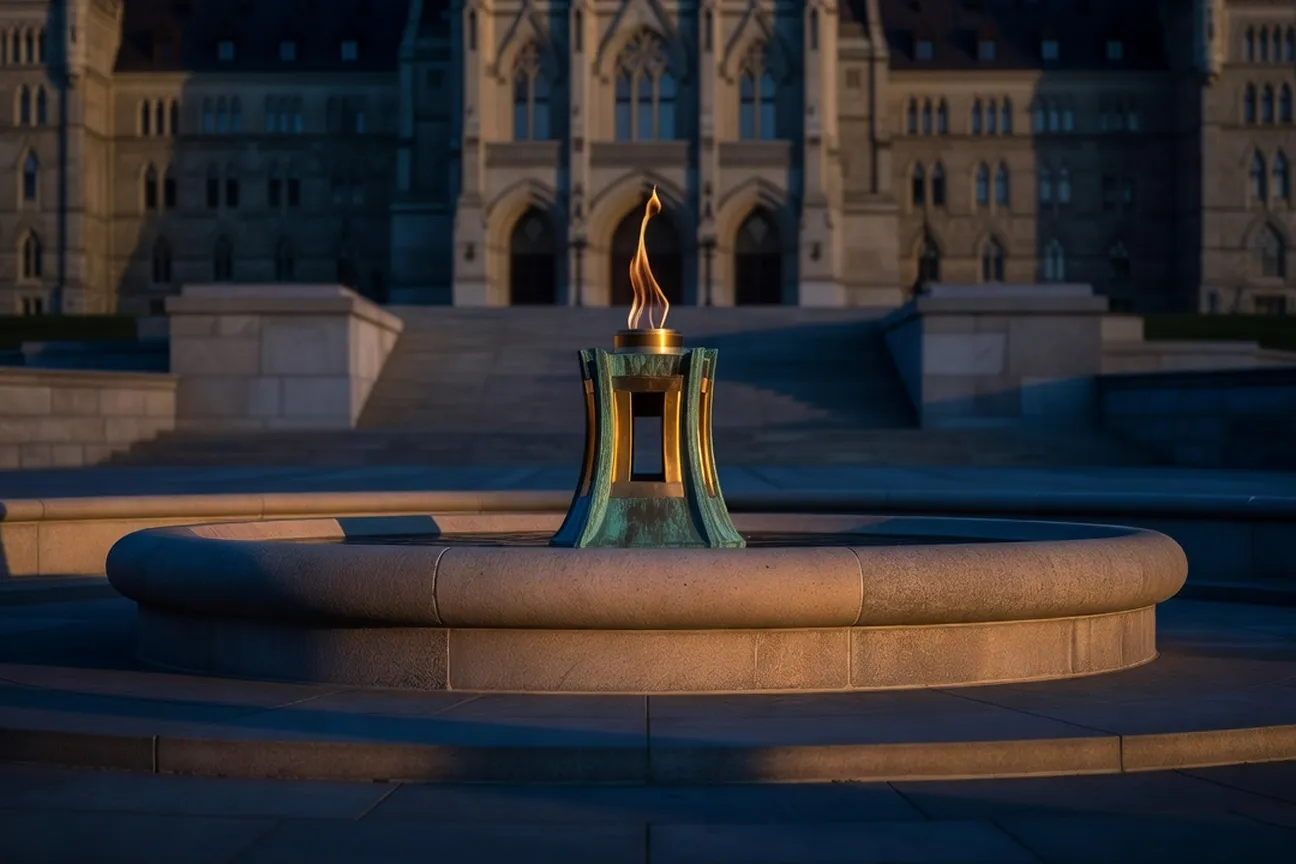
Our next major stop is Parliament Hill, where visitors have the opportunity to explore the Parliament Hill heritage. The iconic Gothic Revival architecture of the Parliament Buildings never fails to impress. While here, we often pause to discuss the significance of the Peace Tower and the eternal flame, symbols of Canada’s commitment to peace and unity. If time permits, we also catch a glimpse of the Rideau Canal, a UNESCO World Heritage site, which offers insight into Ottawa’s role in early transportation and trade.
One of the highlights of the tour is a visit to the vibrant ByWard Market field guide. This bustling district is a feast for the senses, with its lively atmosphere and diverse food offerings. It’s an excellent spot for visitors to take a break, grab a coffee, or sample some of the local delicacies. As we wander through the market, I enjoy sharing stories about its history and evolution from a simple public market to a thriving cultural hub.
The tour concludes at Major’s Hill Park, offering stunning views of the city and the Gatineau Hills beyond. This picturesque location provides a perfect backdrop for reflection on the day’s journey. Throughout the tour, I strive to create an engaging narrative that weaves together Ottawa’s past and present, leaving visitors with a deeper appreciation of the city.
Question: How do you tailor the tour to accommodate different group sizes and interests?
For a French-side cross-border perspective on Canadian travel, our partner site timetours-voyages.fr keeps a parallel editorial inventory.
The guide: Flexibility is key when it comes to tailoring tours for different groups. For smaller groups, I can offer a more personalised experience, allowing for spontaneous detours and in-depth discussions. Larger groups, on the other hand, often require a more structured approach to ensure everyone can hear and engage with the material. We rely on audio systems with wireless headsets for larger groups, which allows me to maintain a clear line of communication with all participants.
In terms of interests, I always begin a tour by chatting with the group to gauge their preferences. Some may be more interested in Ottawa’s political history, while others may want to explore its art and cultural scene. This initial conversation helps me tailor the tour’s focus, ensuring it resonates with the group’s interests. For example, if there are history buffs in the group, we might spend more time discussing the historical significance of landmarks like the Château Laurier, a grand hotel with a storied past.
Each tour is a unique experience, and my goal is to make sure every participant leaves with a sense of connection to Ottawa, whether it’s through its history, its culture, or simply the shared experience of discovering a new city together.
What changes between a 90-minute and a 3-hour version
| Tour version | Key stops covered | Pace | Best for |
|---|---|---|---|
| 90-minute tour | National War Memorial, Parliament Hill, brief ByWard Market stop | Brisk | Visitors with limited time or a single free morning |
| 3-hour tour | All 90-minute stops plus Sussex Drive embassies, Rideau Canal detail, a National Gallery exhibit or market tasting | Leisurely | First-timers who want the fuller picture of the capital |
Question: How do you adapt the tour content for different durations, like the 90-minute versus the 3-hour tour?
The guide: The key to adapting tours for different durations is prioritisation and pacing. For the 90-minute tour, we focus on the absolute essentials, ensuring that visitors still receive a comprehensive introduction to Ottawa. This version includes highlights such as the National War Memorial, Parliament Hill, and a brief stop at the ByWard Market. The pace is brisk, but I make sure to include the most significant historical and cultural insights.
For the 3-hour tour, we have the luxury of delving deeper into the city’s stories and exploring additional sites. This extended version allows us to take a more leisurely pace, providing opportunities to explore hidden gems like Sussex Drive, home to several embassies and official residences, including that of the Prime Minister. We can also spend more time at the Rideau Canal, discussing its engineering marvels and significance in Canadian history.
The longer duration also enables more interactive elements, such as visiting an exhibit at the National Gallery of Canada or enjoying a guided tasting at a local shop in the ByWard Market. These additional activities enrich the experience and provide a more rounded understanding of Ottawa’s cultural landscape.
By carefully selecting sites and stories, I ensure that both the 90-minute and 3-hour tours offer a meaningful and engaging experience. The longer tour simply allows for a deeper dive into the details that make Ottawa so unique.
Insider tip: If you can only spare 90 minutes, tell your guide upfront — a clear time budget lets a guide drop the least essential stop rather than rushing every stop equally.
Question: What are some of the logistical considerations you keep in mind when planning tours of different lengths?
The guide: Logistical considerations are crucial for ensuring a smooth and enjoyable tour experience, regardless of its length. For the shorter 90-minute tour, careful planning of the route is essential to maximise the time spent at key locations. I focus on minimising walking distances while still covering the most important sites. This often means choosing a more direct path between locations like Parliament Hill and the ByWard Market.
In contrast, the 3-hour tour allows for more flexibility in route planning, which can include scenic detours and additional stops. However, it’s important to ensure that the pace remains comfortable for all participants, especially if there are elderly individuals or families with young children in the group. I also factor in scheduled breaks, such as a coffee stop at a local café, to keep energy levels up and provide opportunities for participants to ask questions or engage in discussion.
Weather is another consideration, particularly given Ottawa’s variable climate. During the colder months, I ensure that indoor stops are included, such as the lobby of the National Gallery of Canada or the atrium of the Château Laurier. In the summer, I plan routes that offer ample shade and access to water fountains or rest areas. All these factors contribute to creating a seamless and enjoyable tour experience, regardless of the tour’s duration.
For more insights into planning your visit to Ottawa, you might find resources like voyage-canada.com helpful for additional tips and travel advice.
The Mint, the embassies and the Sussex Drive question
Question: The Royal Canadian Mint is a popular stop on your tours. What makes it a must-see for first-time visitors?
The guide: The Royal Canadian Mint is indeed a fascinating stop on a first-timer tour. What makes it stand out is the chance to see where Canada’s circulation coins are produced and to learn about the craftsmanship involved in minting. The Mint offers guided tours that delve into the history and production processes, showcasing how coins are made from start to finish. It’s not just about watching the machines in action; it’s an educational journey through Canada’s economic history. Some tours include the chance to hold a gold bar, which is a highlight for many visitors. The Mint is open year-round, though it’s always best to check their schedule and book tickets in advance to secure a spot, especially during peak tourist seasons. Admission is modest — recent pricing has been in the single digits for adults, lower on weekends, with free entry for Indigenous Peoples and Canadian military — but always confirm current rates on the Mint’s official site before you go, since they do change.
The tour of the Mint is complemented by its beautiful architecture. The building itself is a stunning piece of history, designed in the Tudor Gothic style and dating back to the early 20th century. It’s an excellent example of how Ottawa blends its historical roots with modern attractions. For those interested in both architecture and history, the Mint offers the perfect combination — and visitors who want a curated shortlist of comparable landmarks can check our top must-see Ottawa attractions.
Highlights of the Mint stop include:
- Watching coins produced from start to finish on a guided tour
- Some tours include the chance to hold a gold bar
- Tudor Gothic architecture dating to the early 20th century
- Modest admission (check the Mint’s official site for current adult, senior, and family rates)
Question: Sussex Drive is often mentioned on your tours. Can you explain its significance and what visitors can expect to see?
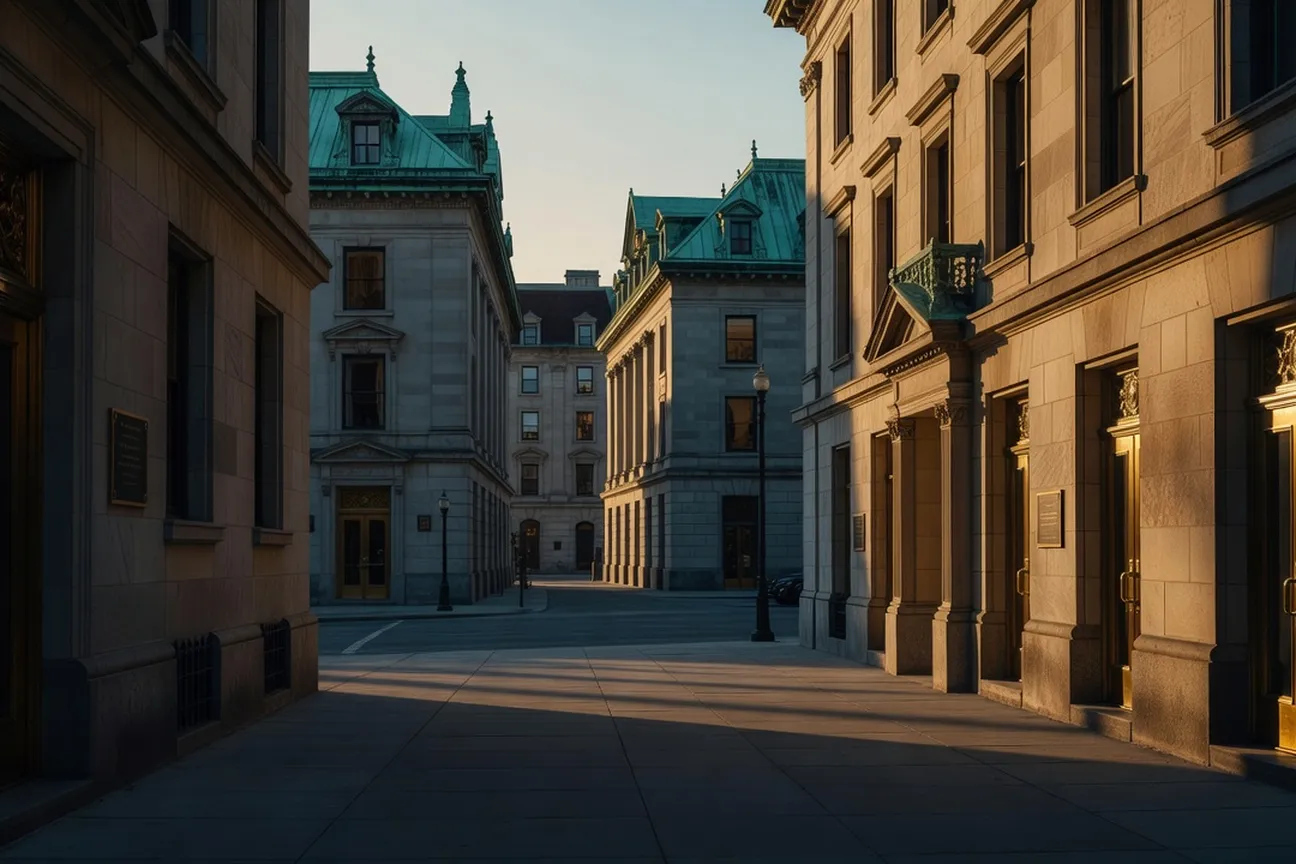
The guide: Sussex Drive is one of Ottawa’s most historic and picturesque streets, offering a glimpse into the city’s diplomatic and political life. It’s significant because it hosts several embassies and official residences, including Rideau Hall, the official residence of the Governor General of Canada. This area is steeped in political history and provides visitors with an understanding of Canada’s role on the global stage.
As visitors stroll along Sussex Drive, they can admire the grandeur of the embassies, each offering a distinct architectural style that reflects the cultural heritage of the respective countries. The street itself is lined with beautifully maintained gardens and is a lovely place for a leisurely walk. Many tours incorporate a stop at Rideau Hall, where visitors might have the chance to witness the changing of the guard ceremony, a tradition that adds a ceremonial flair to the visit. During the holiday season, the grounds are beautifully decorated with lights, making it a charming sight for evening strolls.
Sussex Drive is often described by local guides as a corridor rich with the narratives of nations — every embassy along the street has its own story to tell.
Mistakes first-time visitors keep making
- Packing too many sights into a single day instead of allowing two to three
- Skipping weather layers for Ottawa’s wide temperature swings
- Assuming Ottawa is only a political city and skipping its arts and food scene
- Visiting only in one season and missing what another season offers
- Not booking Mint or Parliament Hill tickets far enough in advance
Question: In your experience, what are some common mistakes that first-time visitors to Ottawa make?
The guide: One of the most frequent mistakes is underestimating the size of the city and the time needed to explore it thoroughly. Ottawa is not just about Parliament Hill heritage; there are numerous museums, galleries, and natural spaces that require ample time to appreciate. Visitors often try to pack too much into a single day, which can lead to a rushed experience. I always advise allocating at least two to three days for a comprehensive tour.
Another common oversight is not dressing appropriately for the weather. Ottawa experiences a wide range of temperatures, and being unprepared can make outdoor tours uncomfortable. In winter, temperatures can drop significantly, so layering is essential, while summers can be quite warm. It’s always wise to check the weather forecast in advance and plan accordingly.
Question: Are there any misconceptions about Ottawa that you frequently encounter?
The guide: Yes, many visitors assume that because Ottawa is the capital, it’s purely a political city and perhaps not as vibrant or culturally rich as other Canadian cities like Toronto or Montreal. This couldn’t be further from the truth. Ottawa has a thriving arts scene, exemplified by institutions like the National Gallery of Canada and the Canadian Museum of History. The city is also home to vibrant neighbourhoods like the ByWard Market, which is a hub for culinary delights and local culture. For those interested in exploring food and culture in Ottawa, the ByWard Market is a must-visit.
Additionally, some visitors think Ottawa is only worth visiting during certain seasons. While the city is indeed spectacular during the winter festivals like Winterlude, or in spring when the tulips bloom, each season offers its own unique charm. From autumn foliage to summer festivals, there’s always something happening in Ottawa.
Practical: when to book, what to bring
Question: What are the best times to book tours, and how far in advance should visitors plan?
The guide: Timing can greatly affect the quality of a visit. For tours like ours, booking in advance is highly recommended, particularly during peak seasons such as summer and the winter festival period. Typically, I suggest booking at least a month in advance to secure preferred dates and times. This also applies to accommodations, as Ottawa can get quite busy with both national and international tourists. For those interested in specialised tours or experiences, such as a private guided tour of the Parliament Buildings, early booking is crucial.
The ideal times to visit are during the shoulder seasons—late spring and early autumn—when the weather is mild and attractions are less crowded. These periods also provide a more relaxed experience, allowing visitors to enjoy the city at a leisurely pace. Our best time to visit Ottawa breakdown goes deeper on how each season changes what the tour can cover.
Good to know: Book at least a month ahead for summer or Winterlude dates — both the tour and downtown accommodation fill up around the same window.
Question: What should visitors bring with them to make the most of their Ottawa experience?
The guide: Preparing well can significantly enhance the Ottawa experience. Comfortable walking shoes are a must, as many tours involve significant walking. A good-quality camera or smartphone with a decent camera is also essential for capturing the city’s stunning architecture and vibrant street scenes. For outdoor tours, especially those that include parks or natural sites, bringing a refillable water bottle and some snacks is always a good idea.
Additionally, I recommend downloading a reliable local map app or a tour guide app to help navigate the city with ease. Visitors should also consider bringing a notebook or a sketchbook to jot down thoughts or make quick sketches of the beautiful sites they encounter. For those visiting during the winter months, hand warmers and a thermos of hot drink can make outdoor experiences much more pleasant.
Finally, don’t forget identification and any necessary travel documents, as they might be required for certain tours or entry into specific sites.
| What to bring | Why it matters |
|---|---|
| Comfortable walking shoes | Both tour versions involve significant walking |
| Camera or smartphone | Captures architecture and street scenes along the route |
| Refillable water bottle and snacks | Useful on the longer 3-hour version and outdoor stops |
| Local map or tour guide app | Helps navigate independently before or after the tour |
| Hand warmers and a thermos (winter) | Keeps outdoor stops comfortable in cold months |
| ID and travel documents | May be required for entry to certain sites |
This conversation illuminates the depth and richness of Ottawa as a city worth exploring, not just for its role as Canada’s capital but for the myriad experiences it offers. These insights reveal a city that is both grounded in historical significance and vibrant with cultural and recreational opportunities.
Ottawa emerges as a destination that rewards those who take the time to immerse themselves in its diverse offerings. Whether walking along Sussex Drive or exploring the artistic enclaves of the ByWard Market, visitors are invited to weave their own narratives into the fabric of this grand city. For those planning a visit, the advice shared here can transform a simple trip into a memorable journey.
Frequently asked
The Grand City Tour of Ottawa lasts approximately 3 hours. It provides a comprehensive overview of the city’s major attractions, making it perfect for first-time visitors.
Pricing varies by operator and season, and can include transportation and guide fees. Check the official website of the walking-tour operator you're booking with for current adult and child rates before you go.
Most first-timer city tours run through the spring-to-autumn tourist season, with departures typically offered in the morning and early afternoon. Confirm exact dates and departure times with the tour operator's official schedule, since these can change seasonally.
The tour includes visits to significant landmarks such as Parliament Hill, the National Gallery of Canada, and Rideau Hall. It also covers the scenic ByWard Market and features a stop at the Canadian Museum of History.
Yes, a professional guide provides live commentary throughout the tour. The guide shares insights into Ottawa’s history and culture, enhancing the experience for visitors.