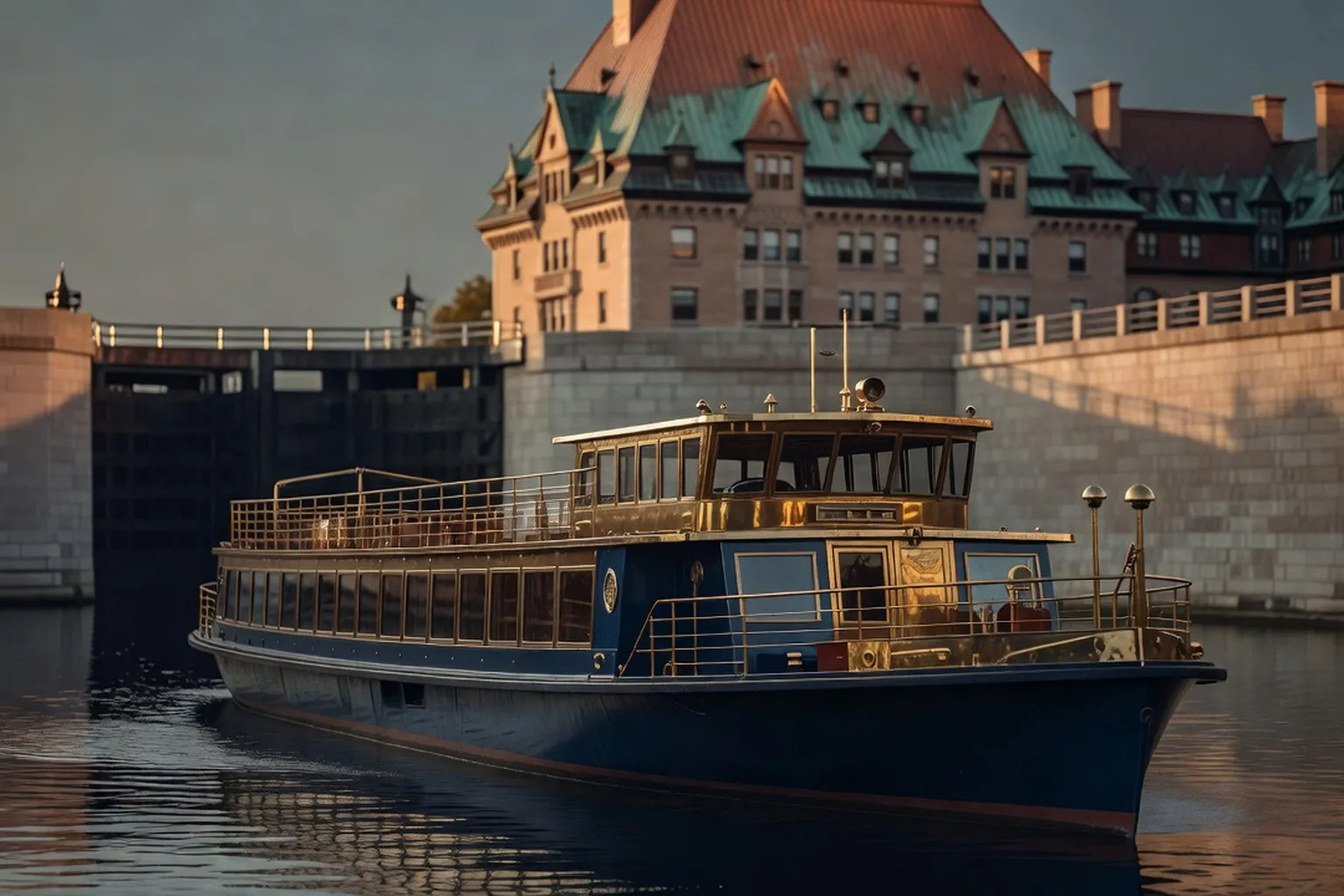
In the heart of Canada’s capital, where the Rideau River gracefully weaves its way through Ottawa, there’s a unique perspective of the city that many visitors are now discovering — from the water. As the river meanders past lush parklands and historic landmarks, it offers a tranquil escape from the bustling streets above. Sightseeing cruise boats have run out of the Bytown basin for years, giving visitors a chance to see the city’s skyline, its locks, and its riverbanks from an angle you simply cannot get on foot.
This guide draws on what regular cruise passengers and Ottawa’s tourism resources describe about the experience — the view from the water, the mechanics of the historic lock system, and the practical details worth checking before you book.
Decades of cruising the canal
Ottawa’s Rideau Canal cruise operators have run sightseeing boats along this stretch of water for a long time, and the appeal has stayed consistent: a slow, low-angle view of a UNESCO World Heritage Site that most visitors otherwise only see from the towpath. The canal itself dates back to 1832, and boats generally operate the same general stretch each season, from around May through October, giving crews and regular visitors alike a close familiarity with how the waterway changes through spring floods, summer’s vibrancy, and the spectacular autumn colours.
That long operating history has produced its own store of stories — chance encounters with local wildlife, the choreography of the lock system working as it has for close to two centuries, and the small variations each season brings. The lock system itself remains a genuine marvel of 19th-century engineering that still functions largely as designed.
Memorable moments on the canal tend to cluster around Ottawa’s big civic events, when the waterway becomes a focal point for national festivities and visitors from around the globe come to see the canal’s history and beauty firsthand. Quieter mornings — with mist still sitting on the water and instruments like radar and AIS (Automatic Identification Systems) helping ensure safe passage in low visibility — are memorable in a different way, and crews rely on that kind of instrument awareness whenever conditions call for it.
Each of these experiences reinforces the importance of understanding the river’s nuances. For those interested in delving deeper into the canal’s heritage, our Rideau Canal UNESCO field guide provides an excellent resource. The guide offers insights into the historical and ecological significance of the canal, enhancing any visitor’s journey along this storied waterway.
What you actually see from the wheelhouse
From the water, Ottawa reveals a perspective that reveals the city’s natural and architectural character in a seamless blend. Cruising past landmarks like the National Arts Centre and Parliament Hill offers an unparalleled view of these iconic structures rising from the water’s edge. In the mornings, the first light casts a golden hue on the buildings, accentuating details that are often missed from land.
From the water, the serenity of the river allows one to appreciate the abundance of nature that thrives alongside it. Birds like the great blue heron are frequent companions, and one can often spot turtles sunning themselves on the banks. The riverbanks are lush with trees that paint a vivid picture, especially during the fall when the foliage bursts into a spectrum of reds and golds. Such moments underscore the things to do in Ottawa beyond the usual tourist trail, inviting visitors to engage with the city in a more intimate way.
Piloting a vessel on the Rideau is generally a more intimate task than navigating a large commercial waterway. The canal is narrower, requiring precise manoeuvring and constant attention to water depth, which can vary through the season. Unlike a vast, often industrial shipping route, the canal demands a keen eye for detail and respect for the historical infrastructure, such as the locks and bridges.
The pace here is also different — cruising the Rideau is more about enjoying the journey than reaching a destination, and that slower pace allows passengers to absorb the sights and sounds fully. On a major shipping route, speed and efficiency are paramount; the Rideau, by contrast, offers a glimpse into the peaceful coexistence of urban and natural landscapes.
Lock sequence and engineering questions
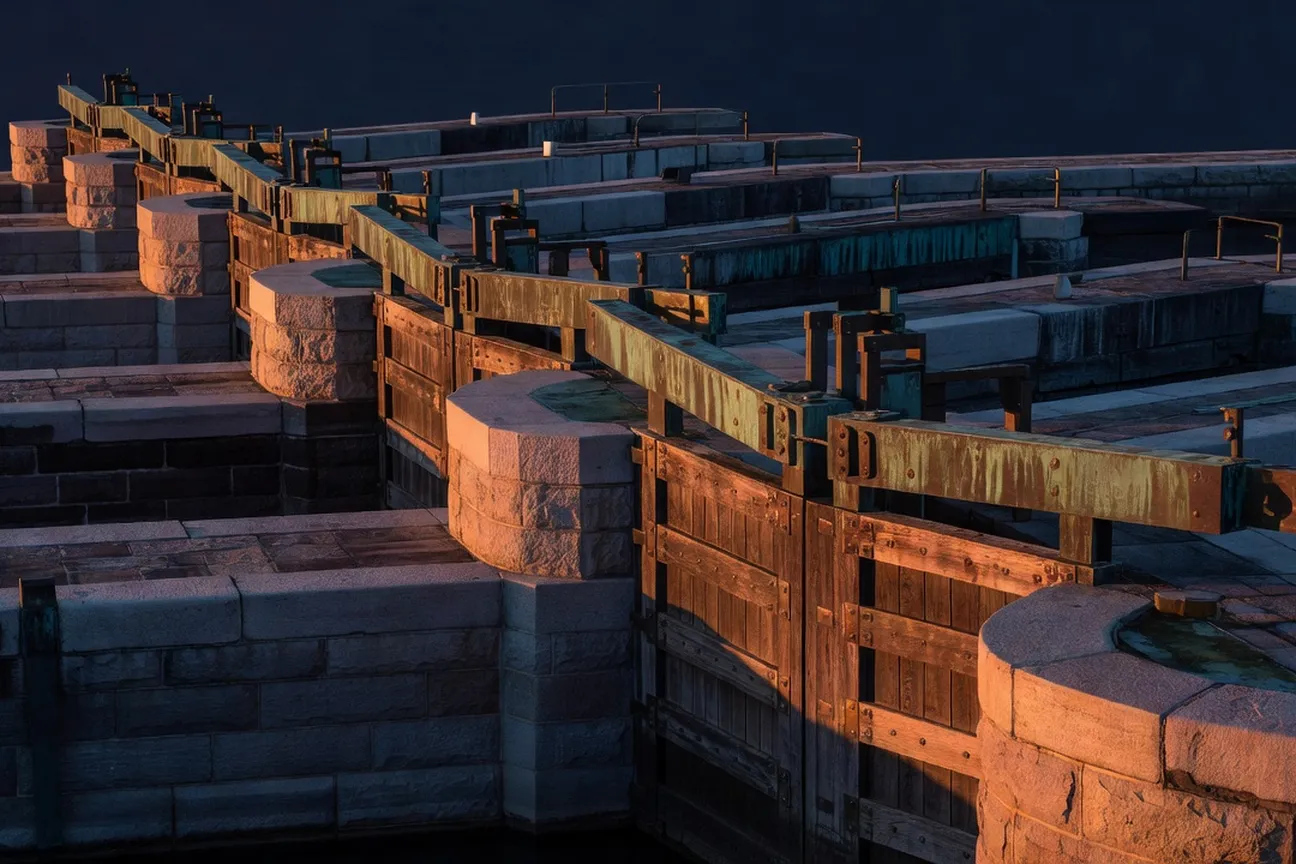
The Rideau Canal features 47 locks over its entire length, with the Ottawa section containing some of the most iconic ones. A typical cruise passes through or alongside the Ottawa Locks, a flight of eight locks that lift vessels close to 24 metres from the Ottawa River up to the canal. This system, designed in the early 19th century, is still operated largely by hand, a testament to its enduring engineering.
The process begins as a vessel approaches the lock station. Parks Canada lockmasters coordinate the passage: once given the go-ahead, the vessel enters the lock chamber, the gates close behind it, and water is either added or released to raise or lower the boat, depending on the direction of travel. Passing through a single lock generally takes a matter of minutes, giving passengers a close-up look at the mechanics of water navigation. Exact timings vary with traffic and water levels, so treat any specific duration as approximate.
Understanding the lock sequence deepens one’s appreciation for the canal’s engineering. For those interested in learning more about the technical aspects, websites like voyage-canada.com offer detailed insights into Canadian waterways and their historical significance.
| Detail | Figure |
|---|---|
| Total locks on the Rideau Canal | 47 |
| Ottawa Locks flight | 8 locks |
| Vertical lift, Ottawa Locks | Close to 24 metres |
| Canal length, Ottawa to Kingston | 202 kilometres |
Good to know: the Ottawa Locks are still operated largely by hand, following a sequence designed in the early 19th century — the slow pace passengers notice at each lock is not inefficiency, it is the same manual process that has run since 1832.
One of the ongoing challenges for the canal’s stewards is maintaining heritage structures while ensuring they meet modern safety standards. Some lock stations have adopted solar-powered systems to help operate gates, a modern touch that helps preserve the canal’s historical integrity while supporting its day-to-day functioning.
Regular dredging is also required to maintain navigable depth, since the canal’s original 19th-century design did not anticipate today’s traffic volumes. Balancing preservation with practical navigation needs remains a constant task for Parks Canada, and modern navigation aids like GPS have improved safety and efficiency for the vessels operating on the water today.
As you learn more about the engineering behind the Rideau Canal, it becomes clear this is not just a route but a living piece of infrastructure that continues to adapt while running largely as it has since the 1830s.
Why the evening cruise reads differently
An evening cruise offers a distinct perspective of Ottawa, transforming the cityscape into a shimmering vista under the twilight. As dusk falls, landmarks such as the Parliament Buildings and the National Gallery are often illuminated, casting a soft glow over the water. This lighting creates a calmer, more atmospheric mood than the daytime departures.
Evening routes generally start near the Ottawa Locks, where the Rideau Canal meets the Ottawa River, and wind along the canal and into the quieter stretches of the Rideau River. The evening air often brings cooler temperatures, refreshing after a warm day exploring the city. The quiet, interrupted only by the gentle lapping of water against the hull, gives passengers space to relax and reflect on the day.
In the evening, the river takes on a reflective quality, mirroring the city lights. Onboard commentary on evening departures tends to shift focus toward the aesthetic and architectural character of the landmarks as seen in low light, rather than purely historical detail.
The appeal of an evening cruise often comes down to the setting itself: fewer boats on the water, a quieter atmosphere, and a pace that suits a relaxed evening out. Evening cruises are also a popular choice for private events and for couples — a pairing that comes up often in our romantic weekend in Ottawa guide.
Evening cruises generally run from May through to mid-October, when temperatures suit an enjoyable evening on the water and the later summer sunsets extend the transition from day to night. In May and October, when twilight arrives earlier, the ride can feel more intimate as darkness settles in sooner.
Evening cruises do not operate in the winter months, when ice makes the canal unnavigable. Spring and autumn each bring their own character — blooming trees or vibrant fall foliage — that shapes the seasonal feel of the ride.
For those interested in learning more about seasonal activities in Ottawa, our guide to things to do in Ottawa provides a comprehensive overview.
Regular passengers often describe the evening cruise in similar terms: the city seems to reveal itself gradually as the light changes, becoming more atmospheric as the sun sets over the water.
The shoulder seasons and shoulder hours
The shoulder seasons — late spring (May) and early autumn (September to mid-October) — offer a distinct experience on the water. During these windows, the weather is generally mild and the landscapes are colourful. In spring, passengers can watch nature wake up, with blossoming flowers and lush greenery providing a picturesque backdrop for photography.
Autumn, by contrast, paints the landscape in reds, oranges, and yellows. The crisp air and the rustle of leaves create a sensory experience that’s both invigorating and calming, and these months tend to draw fewer tourists, allowing for a more relaxed, personal experience on the water.
Operators generally adjust their schedules for the shorter daylight hours and cooler temperatures of the shoulder seasons, and many vessels have heated cabins or offer blankets on the open decks for passengers who want to stay outside. For visitors planning a trip during these times, resources like voyage-canada.com provide valuable information on travel arrangements and seasonal highlights.
| Season | Window | What to expect |
|---|---|---|
| Peak summer | June–August | Longest daylight, busiest cruises, warmest evenings |
| Late spring | May | Blossoming landscapes, fewer crowds, cooler evenings |
| Early autumn | September–mid-October | Fall foliage, crisp air, quieter departures |
| Full operating season | Early May–mid-October | Cruises suspended entirely outside this window due to ice |
“Shoulder hours” refer to departures outside of peak cruising times, typically early morning and late afternoon. These slots matter for scheduling, since they let operators serve different passenger preferences while managing their fleet efficiently.
Early morning cruises offer a tranquil start to the day, with the river often shrouded in a gentle mist that slowly dissipates as the sun rises. This time is particularly popular with photographers and those seeking a peaceful escape before the city awakens.
Late afternoon cruises, meanwhile, offer a different kind of allure. As the golden hour approaches, the light softens, casting a warm glow over the landscape — a relaxed way to unwind after a day of sightseeing.
Operationally, shoulder hours help operators maximise the use of their vessels, offering a greater number of cruises without overtaxing resources, and helping keep the balance between demand and the quality of the experience on board.
Bookings, cancellations and practical advice
Booking details, prices, and cancellation policies vary by operator and change from season to season, so treat anything below as general guidance rather than a fixed quote — always confirm the current details on the operator’s official website before you book.
As a rule of thumb across Ottawa’s sightseeing cruise operators: reservations are recommended well in advance, especially during peak summer months when demand is highest; most operators offer an online booking system with instant confirmation; and many also offer private charters for occasions such as weddings or corporate events, which can typically be customised with catering and entertainment and should be booked well ahead given limited availability.
For those interested in the historical and cultural significance of the canal, our Rideau Canal UNESCO field guide offers enriching insights that can enhance the cruising experience.
Cancellation policies differ between operators, but many offer some flexibility — check the specific window (commonly somewhere in the 24-to-48-hour range before departure) required to cancel or reschedule without penalty. This kind of policy provides peace of mind, especially for international visitors who may face unexpected travel disruptions.
Cruises generally operate rain or shine, though severe weather can lead an operator to cancel a departure for safety reasons. Ask what the operator’s weather policy is (refund versus reschedule) when you book.
Comfortable footwear and layered clothing are worth packing regardless of season, since temperatures can vary through the day and most vessels have both indoor and outdoor viewing areas. For those looking to extend their stay in Ottawa, our Parliament Hill heritage guide is an excellent resource for exploring the city’s rich history.
A short checklist for booking with confidence:
- Reserve online in advance, especially in peak summer months, and check the operator’s official website for current pricing and instant confirmation
- Confirm the exact cruise length and price when booking — these vary by operator and season
- Ask about private charters early if planning a wedding or corporate event — availability is limited
- Check the operator’s specific cancellation and rescheduling window before you pay
- Dress in layers and bring comfortable footwear, since both indoor and outdoor viewing areas are used
Before you go: most Ottawa cruise operators run rain or shine, but severe weather can force a cancellation for safety reasons — ask about the refund or rescheduling policy when you book, so you know what to expect either way.
Taken together, Rideau River cruises offer a multifaceted experience that goes beyond mere sightseeing. The blend of natural beauty, architectural splendour, and historical richness provides visitors with a unique perspective on Ottawa, one that is both immersive and enlightening.
As a gateway to Canada’s capital, the Rideau River serves as a conduit for discovery, inviting travellers to explore the city’s layers at their own pace. Whether you choose the hushed elegance of an evening cruise or the vibrant colours of the shoulder seasons, the journey promises to be a memorable chapter in your exploration of Ottawa.
Frequently asked
The Rideau River cruises typically operate from early May to mid-October. During this period, visitors can enjoy the scenic beauty of Ottawa from the water, with departures subject to weather conditions and the operator's published schedule.
Prices vary by operator, cruise length, and season, and change from year to year. Check the current fare schedule on the operator's official website before booking rather than relying on a fixed figure.
Standard sightseeing cruises tend to run from around ninety minutes to two hours, though exact durations depend on the operator and the specific route. Confirm the length when you book.
During the cruise, passengers can view iconic Ottawa landmarks such as the Parliament Buildings, the National Gallery of Canada, and Rideau Falls. The cruise also offers a picturesque perspective of the city's lush greenery and historic architecture.
Most Ottawa cruise boats offer covered and open-deck seating, and some provide light refreshments or an audio/live commentary about the sights. Amenities differ by operator, so check the boat's listing before you book.