
Ottawa in early autumn carries the sharp scent of fallen maple leaves along the Rideau Canal, mixed with the faint diesel note from buses idling near the Château Laurier. The low sun catches the copper roof of the Parliament buildings, while the steady flow of pedestrians crosses Wellington Street under the gaze of the Peace Tower clock. Sound carries clearly in the crisp air: the distant chime of the carillon, the murmur of guided groups, and the occasional rumble of traffic heading toward the Ottawa River.
Bus tours are one practical way for visitors to get an initial sense of the city’s layout. They offer elevated vantage points without requiring passengers to navigate unfamiliar transit routes on foot, which is especially useful during the shoulder seasons when daylight shortens and temperatures drop.
The operators that matter
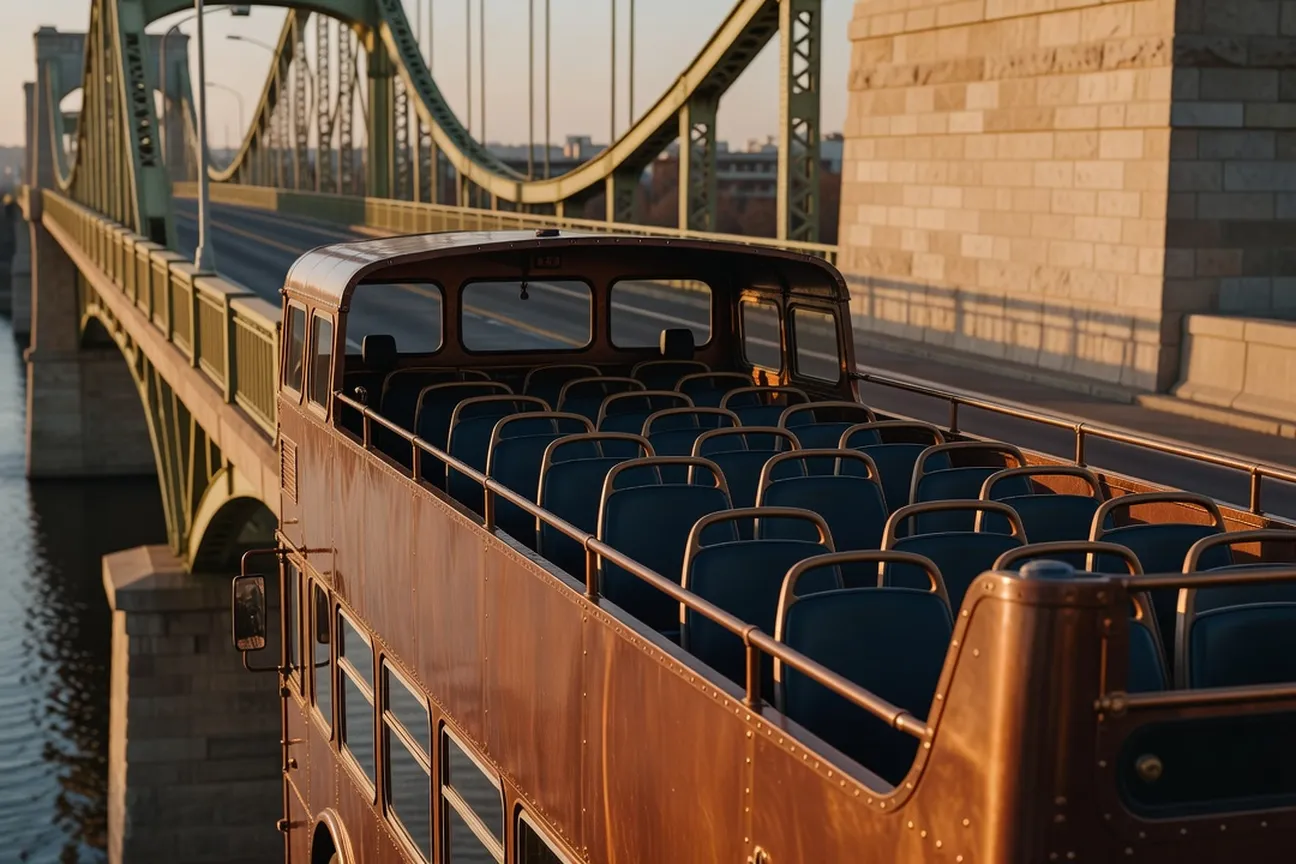
Ottawa’s hop-on hop-off and sightseeing bus market is served by a small number of companies rather than a large field, and which of them are actively selling tickets in a given season can change. As of this writing, Gray Line Ottawa and Cobblestone – Ottawa Bus Tour Co. both run open-top double-decker hop-on hop-off loops covering downtown Ottawa, Parliament Hill, ByWard Market and several national museums, with routes that in some cases extend into Gatineau. Lady Dive Tours also operates in the market and, distinctively, runs an amphibious “Amphibus” that drives directly into the Ottawa River as part of its tour, in addition to a standard bus product.
Exact fleet sizes, stop counts, on-time performance and pricing are not something any of these operators publish in a way that supports precise comparison, and we do not repeat invented figures here. Before booking, check each operator’s own site directly for the current route map, schedule and ticket pricing, since these details are adjusted between seasons.
Before you go: confirm directly with your chosen operator whether the route currently includes stops you specifically want to reach — loop stops and frequency can change between seasons, and no single operator’s route covers every major sight in the city.
What you actually see from the upper deck
From the upper deck, the first clear sight on most routes is the limestone façade of Parliament Hill along Wellington Street, with sightlines onto the Gothic Revival towers and the copper-green roofs of the East and West Blocks that are harder to appreciate from street level.
Most routes also pass close to the Rideau Canal locks — built in the 1820s and 1830s and now a UNESCO World Heritage Site — and the ByWard Market district, where the elevated seating puts riders above street awnings and market stalls. Operators whose routes cross into Gatineau typically pass the Canadian Museum of History, notable for its curved copper roofline designed by Douglas Cardinal.
For a French-side cross-border perspective on Canadian travel, our partner site timetours-voyages.fr keeps a parallel editorial inventory.
Commentary on these tours is typically a mix of historical notes and practical orientation rather than a deep-dive lecture — treat it as a helpful first-pass introduction to the city’s layout, with the Parliament Hill field guide and other guides on this site useful for going deeper on any single site afterward.
Routes, stops and timetables
Each operator publishes its own current route map and stop list — these details change between seasons and are not standardized across companies, so treat any specific stop count or route description as a snapshot rather than a fixed fact. In general, expect routes to loop through the downtown core near Parliament Hill, with additional stops distributed among the Rideau Canal, ByWard Market, one or more national museums, and (for operators serving both sides of the river) Gatineau attractions.
Check each operator’s site for current departure frequency and last-departure times before planning your day around the bus, since schedules typically narrow in shoulder season and some operators pause or reduce service over winter.
Pricing and tickets
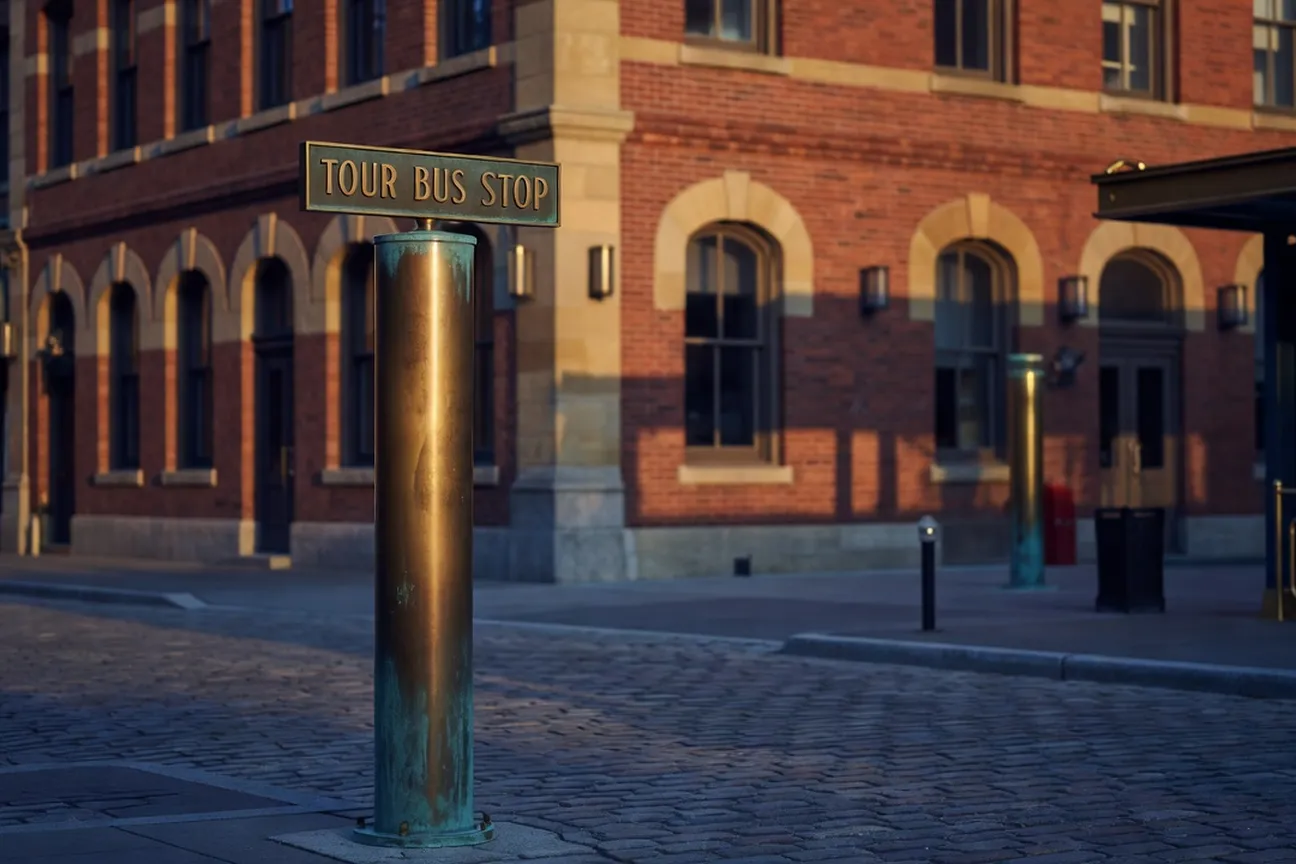
Ticket pricing varies by operator, by ticket duration (single-day vs. multi-day passes are both common), and by season — check current rates directly on the operator’s own booking page before budgeting, since none of these companies publish a fixed, universal price and third-party listings are frequently out of date.
| What varies | What to check before booking |
|---|---|
| Route and stop count | Current route map on the operator’s own site |
| Ticket duration options | Single-day vs. multi-day passes, if offered |
| Winter availability | Some operators reduce or pause service seasonally |
| Skip-the-queue privileges | Not standard — confirm if this matters for your plan |
Heads up: hop-on hop-off tickets generally do not include skip-the-queue access to Parliament Hill tours or museum admission — once you disembark at a site, expect to join the general admission line like any other visitor, unless an operator specifically advertises otherwise.
When the hop-on hop-off format works
The format works best for visitors whose priorities line up with what a central-corridor loop is built for:
- A first day in the city, to get oriented before choosing what to revisit on foot
- A central-corridor itinerary linking Parliament Hill, the Rideau Canal and ByWard Market
- Visitors with mobility considerations who want elevated seating and fewer long walks between major sights
- A same-day connection onto O-Train Line 1 for a return trip, where a stop lines up near a station
The service integrates reasonably with getting around the capital when combined with the O-Train for return journeys — check whether your operator’s route passes near a station if this matters to your plan.
The upper deck gives an unobstructed view of the Peace Tower clock face at a height most pedestrians never see without going inside.
When you would be better off on foot
The same central-corridor coverage that makes hop-on hop-off useful for orientation becomes less efficient once you plan to spend more than 30-40 minutes at any single stop — waiting for the next bus to continue your loop can add up quickly compared to walking, especially since Ottawa’s downtown core (Parliament Hill, the canal, ByWard Market) is compact enough to cover largely on foot.
The National Gallery of Canada, for instance, rewards more than an hour of dedicated time for a serious visit — plan to walk back or take regular transit rather than timing your museum visit around a bus interval. Sights further from the central loop, such as Laurier House National Historic Site or Strathcona Park, may sit well outside any operator’s marked route and require a separate transit connection.
Signs the bus format will slow you down rather than help:
- You plan to spend more than 30-40 minutes at any single stop
- Your accommodation already sits within the compact downtown core
- Your target sites sit well outside the operators’ marked routes
- You want flexibility to linger somewhere without waiting for the next bus
The hop-on hop-off service works best as a supplementary orientation tool rather than a primary way of getting around for a stay longer than a single day. Visitors who consult things to do in Ottawa before arrival can identify clusters of nearby sites that reward slower movement on foot, particularly once the initial orientation loop is done.
Frequently asked
The full loop typically takes a bit over an hour if you stay on board the whole time, but tickets are usually valid for a full day or more, so most visitors hop off at several stops rather than riding straight through.
Pricing varies by operator and ticket duration — check current rates directly on the operator's own site before budgeting, since prices are adjusted between seasons and are not standardized across companies.
Routes typically cover Parliament Hill, the Rideau Canal, ByWard Market, and one or more national museums, with some operators extending across the river into Gatineau. Exact stops vary by company, so check the current route map before booking.
Most operators run their main open-top service from spring through fall. At least one operator offers a heated bus option that extends into the colder months — confirm current winter availability directly with the operator, since this can change year to year.
Yes, bilingual (English/French) recorded or live commentary is standard across Ottawa's hop-on hop-off operators, typically delivered through onboard audio or headsets.