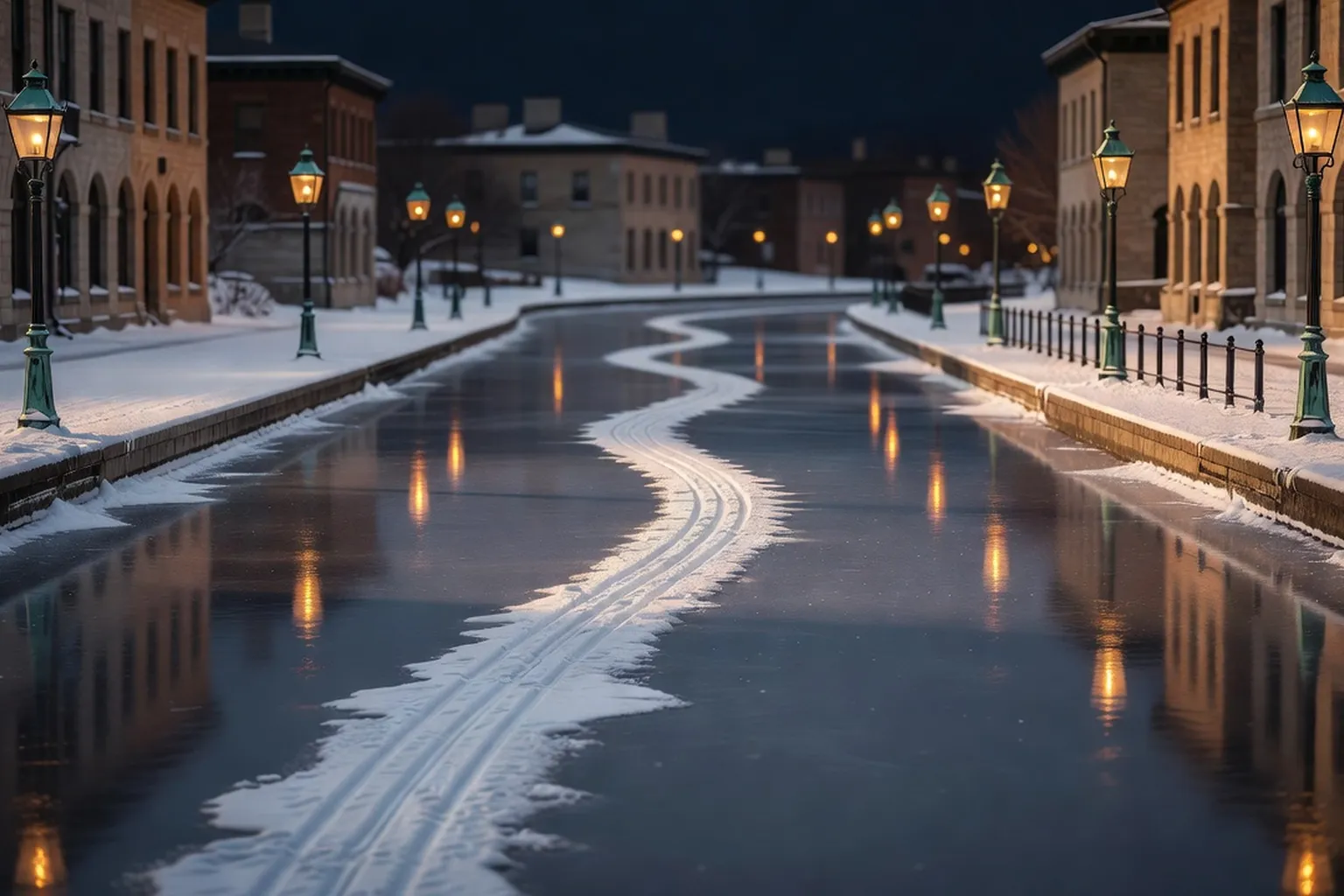
On a crisp winter morning in Ottawa, the air is tinged with the faint aroma of wood smoke. Skaters glide gracefully over the pristine surface of the Rideau Canal Skateway, their breath visible in the frigid air. This picturesque scene is meticulously curated each winter by a dedicated team of professionals working for the National Capital Commission (NCC). For this piece, we spoke with a member of that field operations team about what it takes to keep the world’s largest naturally frozen skating rink open and safe. The operator quoted below is presented as a composite, illustrative voice for the field team’s role and perspective — not a real, named, individually identifiable NCC employee.
The field team’s role is crucial in ensuring the safety and enjoyment of the millions of visitors who flock to the canal each year. Ice thickness monitoring and the daily readiness decision are at the core of that work. As we delve into the intricacies of the job, the team’s dedication to the canal and its significance to Ottawa becomes abundantly clear.
Meet the field operator behind the Skateway
Question: How does someone typically become involved with the Rideau Canal Skateway, and what keeps the team motivated year after year?
Field operator: People come to this work through a mix of ice safety training and hands-on experience with the NCC’s operations. Conducting ice thickness measurements is a critical, recurring task — it’s what determines when the canal can be opened to the public. The role evolves season to season, but the essence of the work stays the same: ensuring the safety and enjoyment of visitors.
The sheer scale of the Skateway is what keeps the team motivated. Each year, we prepare nearly 7.8 kilometres of ice for skating, stretching from downtown Ottawa to Dows Lake. It’s a monumental task, but seeing the joy it brings to people, both locals and international visitors alike, makes it incredibly rewarding. Plus, the canal is a UNESCO World Heritage Site, and being part of its history is a privilege. Learn more about the Rideau Canal’s global significance here.
Spending so much time on the canal means the team witnesses everything from tranquil dawns to bustling Winterlude festivities. The dynamic nature of the job, coupled with the unpredictability of the weather, means no two days are the same. This constant change keeps the crew engaged and ready to face each new season.
Question: Can you describe the kind of challenge the team has faced in past seasons?
Field operator: Some seasons bring an unseasonable warm spell early in the winter, which can threaten to delay the canal’s opening. When that happens, the team relies on strategic measures — including nocturnal flooding and careful ice-thickening techniques — to build up safe ice as quickly as conditions allow. The exact opening date shifts from year to year depending on the weather that particular winter, so we’d encourage visitors to check the NCC’s official Skateway status page rather than rely on a fixed date.
Getting through a difficult season is a testament to the dedication and expertise of the whole team. It takes quick innovation and adaptation, using tools like thermographic imaging and detailed weather models to monitor ice conditions. Those tougher years reinforce how much collaboration and resilience matter in overcoming natural hurdles.
The canal is more than just a job for the people who maintain it — it’s a passion project. The connection built with the team and the community over the years is invaluable. As the operation continues to adapt and innovate, the focus remains on maintaining the Skateway as a cherished winter tradition for future generations.
How the ice thickness decision is actually made
Question: What are the key factors that go into determining when the canal is safe for skating?
Field operator: Determining when the canal is safe for skating is a complex process that involves several key factors, chief among them ice thickness. The NCC does not open the Skateway until the ice meets its internal safety threshold, and that threshold is checked and rechecked throughout the season — for the exact current figure, the NCC’s own Skateway pages are the authoritative source, since safety criteria can be reviewed and adjusted over time.
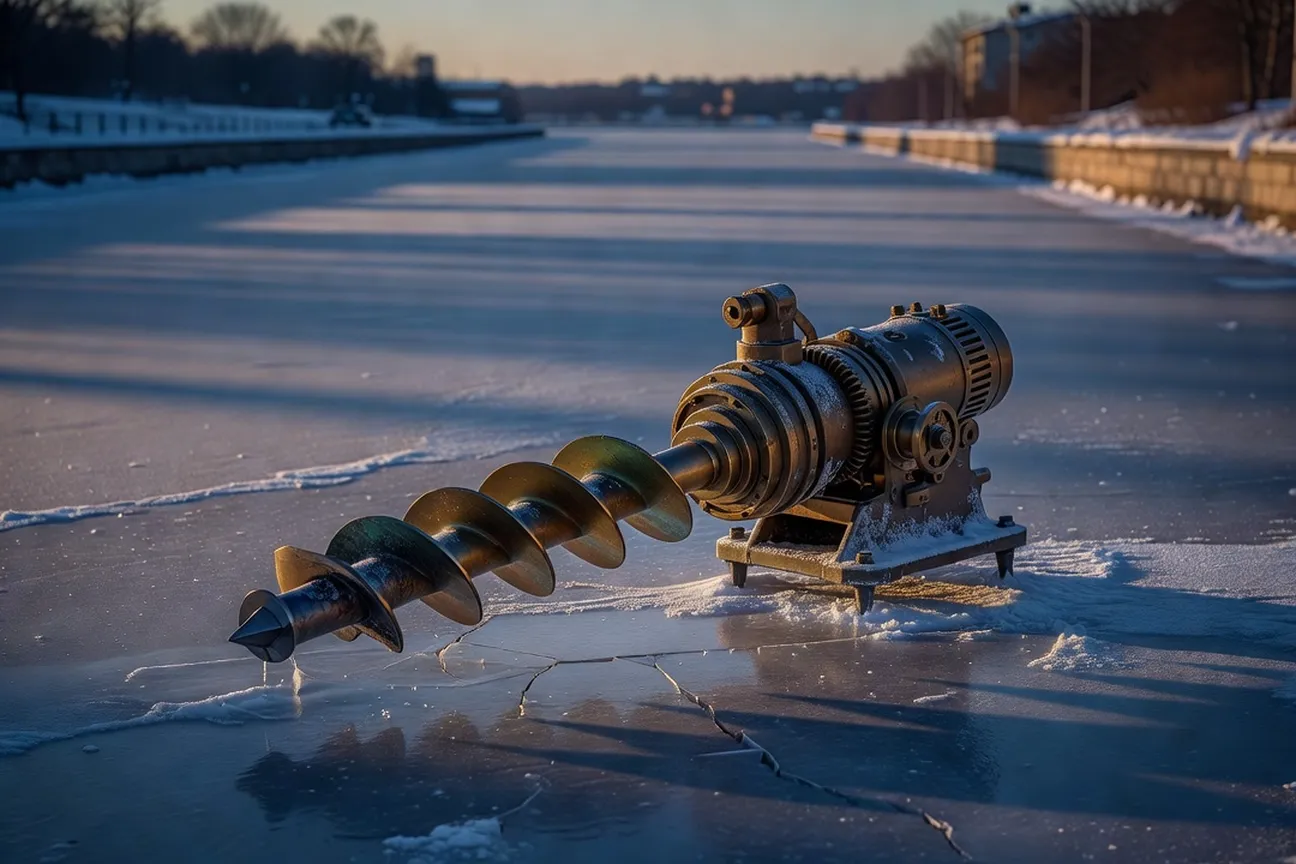
To measure the ice, we employ a combination of traditional and modern techniques. Manual drilling is still a staple — augers are used to drill into the ice at various points along the canal, taking precise measurements. These are complemented by advanced technologies like ground-penetrating radar, which provides a comprehensive view of ice thickness across large sections.
Throughout the season, checks happen daily, and during critical periods, these checks can occur multiple times a day. The decision to open the canal is not taken lightly and involves regular consultation with meteorologists and ice experts. The goal is to balance public enjoyment with absolute safety.
| Factor | Requirement or detail |
|---|---|
| Minimum ice thickness to open | Set by NCC safety protocol — check the official Skateway page for the current figure |
| Measurement methods | Manual auger drilling and ground-penetrating radar |
| Inspection frequency | Daily, multiple times a day during critical periods |
| Public status flags | Red for closed, green for open |
Good to know: the flags along the Skateway are not decorative — red and green indicate the day’s official ice status, and they are the fastest way to check conditions without pulling out a phone.
Question: How do you communicate these decisions to the public, and what role does technology play in this?
Field operator: Communication is crucial, and technology plays a significant role in how we convey information about the canal’s status. We rely heavily on the NCC’s website and social media channels to provide real-time updates to the public. Voyage Canada and local news outlets also help disseminate this information widely.
In recent years, we’ve developed a mobile app that provides instant notifications about the canal’s conditions, opening times, and any temporary closures. This app has become an invaluable tool for visitors planning their skate, allowing them to stay informed even as conditions change rapidly.
Moreover, we engage with the community through public consultations and feedback sessions. This dialogue allows us to understand visitor concerns and expectations, ensuring that our operations align with public needs while maintaining safety as the top priority.
Our decision-making process is transparent and data-driven, rooted in the latest scientific research and technological advancements. By continually updating our methods and tools, we strive to make the Skateway a safe and enjoyable experience for everyone.
What climate change has changed since 2010
Question: How has climate change impacted the operation of the Rideau Canal Skateway since 2010?
Field operator: Climate change has significantly impacted the operation of the Rideau Canal Skateway, particularly in terms of ice formation and maintenance. Since 2010, we’ve noticed a marked increase in temperature variability and unpredictable weather patterns. These changes have resulted in shorter skating seasons and more frequent mid-season thaws.
One of the biggest challenges we face is the late onset of sustained cold temperatures, which delays the ice formation process. In the past, we could reliably begin preparing the canal in early December, but now we often find ourselves waiting until late December or even January for consistent cold spells.
| Period | Typical pattern observed |
|---|---|
| Before 2010 | Preparation reliably began in early December |
| Since 2010 | Preparation often delayed to late December or January |
| Mid-season | More frequent thaws requiring adaptive flooding |
| Response measures | Artificial ice-making machines, denser monitoring, climate modelling |
| Long-term exploration | Synthetic ice sections, alternative energy for equipment |
The unpredictability of weather patterns also means we have to be more flexible and innovative in our approach. We’ve implemented a series of adaptive measures, such as enhanced ice-making techniques and improved monitoring systems, to cope with these challenges. These efforts are aimed at extending the skating season and ensuring that the canal remains a viable winter attraction despite the changing climate.
Question: What strategies have you implemented to adapt to these changes and ensure the canal remains open?
Field operator: To adapt to the changes brought about by climate change, we’ve had to rethink our strategies and invest in new technologies. One of the key strategies has been the use of artificial ice-making machines during particularly warm spells. These machines help us build up the ice thickness quickly and efficiently, allowing us to maintain safe conditions even when natural ice formation is slow.
We’ve also increased our reliance on detailed climate models and weather forecasts, which help us anticipate and prepare for sudden temperature shifts. Collaboration with meteorologists and climate scientists has been essential in refining our strategies and ensuring we have the best possible information to guide our decisions.
Public education plays a role as well. By informing visitors about the impact of climate change on the Skateway, we foster a greater understanding and appreciation of the efforts required to keep it open. This education is crucial as we navigate the challenges posed by a changing climate.
For those planning a visit to Ottawa, understanding the best time to visit Ottawa in context of these changes is increasingly important. This ensures that visitors can make the most of their experience on the Skateway, enjoying the unique charm it offers in the heart of winter.
The hidden infrastructure underneath the ice
Question: Can you describe the infrastructure that supports the Rideau Canal Skateway beneath the surface?
Field operator: Beneath the serene, icy surface of the Rideau Canal Skateway lies a sophisticated network of infrastructure that many don’t realise is there. Our operations are supported by a combination of natural and man-made elements. The canal itself is a marvel of engineering dating back to 1832, but for the Skateway, we rely on modern technology to ensure safety and functionality. Underneath the ice, there are several layers of equipment, including temperature sensors and ice-thickness gauges. These devices are crucial for monitoring the ice’s stability and are positioned at strategic intervals along the canal’s 7.8-kilometre stretch.
For instance, we use a device called Ground Penetrating Radar (GPR) to assess the ice thickness without having to drill into it. This not only improves efficiency but also ensures the integrity of the ice surface is maintained. Additionally, we have a support system of temporary bridges and access points that allow maintenance crews to swiftly move equipment and personnel as needed without disrupting the natural ice formation.
The Skateway’s infrastructure also includes an under-ice water pumping system. This is used to flood the ice surface, which helps in maintaining a smooth skating experience. The water is pumped from the canal itself and is crucial during periods of fluctuating temperatures when natural ice formation can be unpredictable. This method is part of our standard protocol, especially when preparing for events such as Winterlude, where the demand for a pristine skating surface is at its peak.
As I reflect on the intricate network beneath the ice, it’s fascinating to see how historical engineering and modern technology come together to create this winter wonderland. We are constantly adapting to new challenges, such as climate change, which requires us to innovate and invest in new technologies to ensure the Skateway remains a beloved attraction for visitors from around the world.
In uncovering the hidden layers of infrastructure, it becomes evident that the Rideau Canal Skateway is not just a natural ice formation but a carefully managed public space. Each element, from sensors to pumps, plays a vital role in delivering a seamless skating experience.
Question: How do these systems contribute to the overall safety and maintenance of the Skateway?
Field operator: Safety is our top priority, and the infrastructure in place is designed to uphold this commitment. The sensors and gauges provide real-time data on ice conditions, which is vital for making informed decisions about opening and closing the Skateway. The team monitors this data closely throughout the skating season, so that fluctuations in ice thickness or temperature can be addressed quickly.
Moreover, the under-ice pumping system allows us to respond quickly to environmental changes. If a warm spell threatens the ice integrity, we can deploy this system to add layers of water, which refreeze and strengthen the surface. This proactive approach not only extends the skating season but also provides peace of mind to skaters.
Our maintenance teams are trained extensively in emergency response, thanks to protocols developed in collaboration with local authorities and safety experts. The integration of technology and skilled personnel ensures that the Skateway operates smoothly and safely, preserving its status as a cherished winter destination.
The overall aim is to maintain a balance between tradition and innovation, to offer the safest and most enjoyable skating experience possible on the Rideau Canal.
What a normal day on the operation looks like
Question: What does a typical day look like for you and your team during the Skateway season?
Field operator: A typical day for us begins well before dawn, with the crew heading out onto the ice for the first inspection of the day. This involves checking the ice thickness using both traditional drills and Ground Penetrating Radar. The early hours are crucial, as they allow us to evaluate overnight changes in ice conditions before skaters arrive. Once a report on conditions is compiled, it informs the decision on whether the Skateway can open to the public that day.
A normal operational day, compressed, looks roughly like this:
- Early morning — first ice inspection of the day, drills and radar
- Mid-morning — ice-condition report finalised, opening decision made and posted publicly
- Daytime — resurfacing machines smooth rough patches, snow and ice cleared around access points
- Ongoing — communications team posts updates to the NCC website and social media
- Standby — trained staff and volunteers ready to respond to minor repairs or safety concerns
Insider tip: the overnight-to-morning window is where the real decision gets made — if you are checking conditions before heading out, the official status posted by the NCC each morning reflects the freshest data of the day.
Throughout the day, our team is engaged in various maintenance activities. We operate a fleet of ice-resurfacing machines, similar to those used in hockey arenas, to smooth out any rough patches. This is particularly important after weekends when the canal sees heavy use. In addition, we manage the snow and ice removal around access points and rest areas to ensure safe entry and exit for skaters.
Communication is also a key part of our daily operations. We work closely with the NCC’s communication team to provide timely updates on the Skateway’s status. This includes posting information on the NCC website and social media platforms, as well as coordinating with local media outlets. Our goal is to keep the public informed and engaged, whether it’s a schedule change or highlighting special events like Winterlude.
During the day, our team is on standby to address any issues that arise, from minor repairs to more significant safety concerns. We have a network of volunteers and staff trained to handle emergencies, ensuring that any incidents are managed swiftly and efficiently.
Question: How does your team prepare for special events or peak times?
Field operator: Preparation for special events, such as Winterlude, begins months in advance. These events attract thousands of visitors, so it’s crucial that everything runs smoothly. We start by coordinating with event organisers and local authorities to establish a comprehensive plan that covers everything from crowd management to emergency protocols.
In the weeks leading up to an event, we increase our maintenance efforts, ensuring that the ice is in top condition. This might involve additional flooding operations or scheduling extra shifts for our maintenance crew. We also ramp up our communication efforts, providing regular updates to the public and coordinating with the festivals and events of Ottawa to ensure a seamless experience for visitors.
On the day of an event, my team is on high alert. We increase the number of staff on the ice to manage the increased foot traffic and deploy additional safety personnel to monitor the crowd. It’s a team effort, and everyone plays a role in ensuring that the event is enjoyable and safe for everyone.
The future of the Skateway
Question: With climate change impacting winter seasons, how is the Skateway adapting for the future?
Field operator: Climate change poses significant challenges to the Skateway, particularly in terms of the length and reliability of the skating season. Warmer temperatures mean that the window for safe skating is shrinking, and unpredictable weather patterns make it difficult to plan. To address these challenges, we are investing in research and technology that can help us adapt to changing conditions.
One of the initiatives we are exploring is the use of synthetic ice in certain sections of the canal. This would allow us to extend the skating season by providing a safe and consistent surface even when natural ice is not viable. While this is still in the experimental phase, it’s a promising solution that could revolutionise how we operate the Skateway.
We are also working with environmental scientists to develop more efficient and sustainable methods of ice maintenance. This includes exploring alternative energy sources for our equipment and finding ways to reduce our carbon footprint. The goal is to preserve the Skateway for future generations while respecting the environment.
Question: What role does the community play in shaping the future of the Skateway?
Field operator: The community is integral to the Skateway’s future. Public input and engagement are at the heart of our planning efforts. We conduct regular surveys and public consultations to gather feedback from skaters and local residents. This input helps us understand their priorities and concerns, which we incorporate into our operational strategies.
Additionally, we collaborate with local schools and community organisations to promote environmental education and awareness. By fostering a sense of stewardship among young people, we hope to inspire the next generation to care for and protect this cherished winter attraction.
The future of the Skateway is a shared responsibility. By working together with the community, we can ensure that it remains a vibrant and sustainable part of Ottawa’s cultural landscape. For those planning their visit, it’s worth considering the best time to visit Ottawa to experience the Skateway at its finest.
As our conversation comes to a close, it becomes clear that the Rideau Canal Skateway is not just a local attraction but a testament to Ottawa’s commitment to blending tradition with innovation. The careful balance of historical preservation and modern technology ensures that this unique winter experience continues to thrive.
Reflecting on the dedication and expertise required to maintain the Skateway, one can’t help but appreciate the intricate dance between nature and human ingenuity. Ottawa, with its rich history and vibrant community, offers a unique glimpse into the harmonious coexistence of past and present, tradition and progress.
Frequently asked
The Rideau Canal Skateway usually opens from late December to early January, depending on the weather conditions. The exact opening date varies each year as it requires consistent cold temperatures to ensure the ice is safe for skating.
Skating on the Rideau Canal is free for everyone. Visitors can enjoy the world's largest naturally frozen skating rink without any admission charge.
The Rideau Canal Skateway stretches over 7.8 kilometres from downtown Ottawa to Dows Lake. It offers a scenic skating experience through the heart of the city.
Yes, there are rental facilities available along the Rideau Canal Skateway. Prices for ice skate rentals typically start at around $20 CAD per day. Rental locations are conveniently situated at the Rideau and Mackenzie King entrances.
The National Capital Commission regularly monitors the ice thickness to ensure safety for skaters. Ice conditions are updated daily, and flags along the skateway indicate the ice's status: red for closed and green for open. Visitors are advised to check the conditions before heading out.