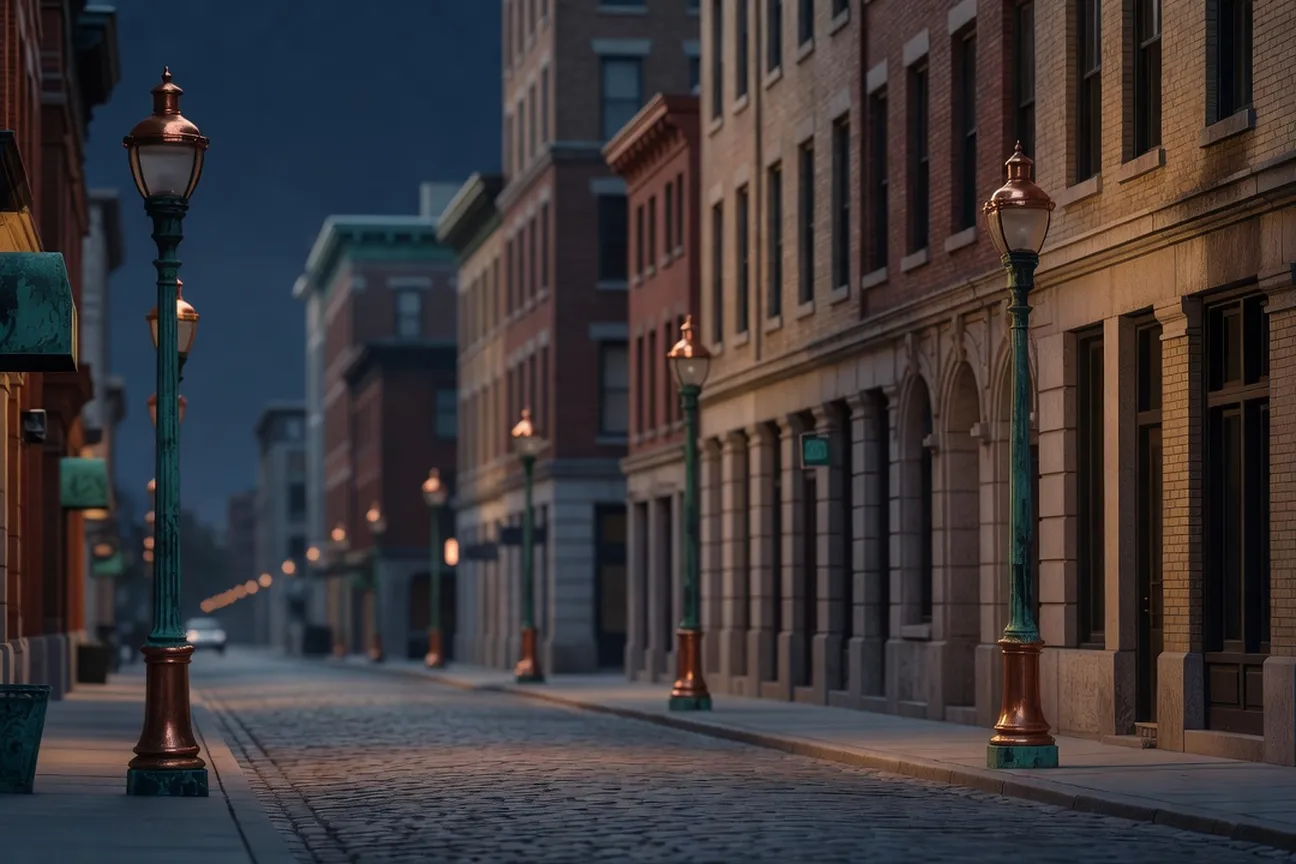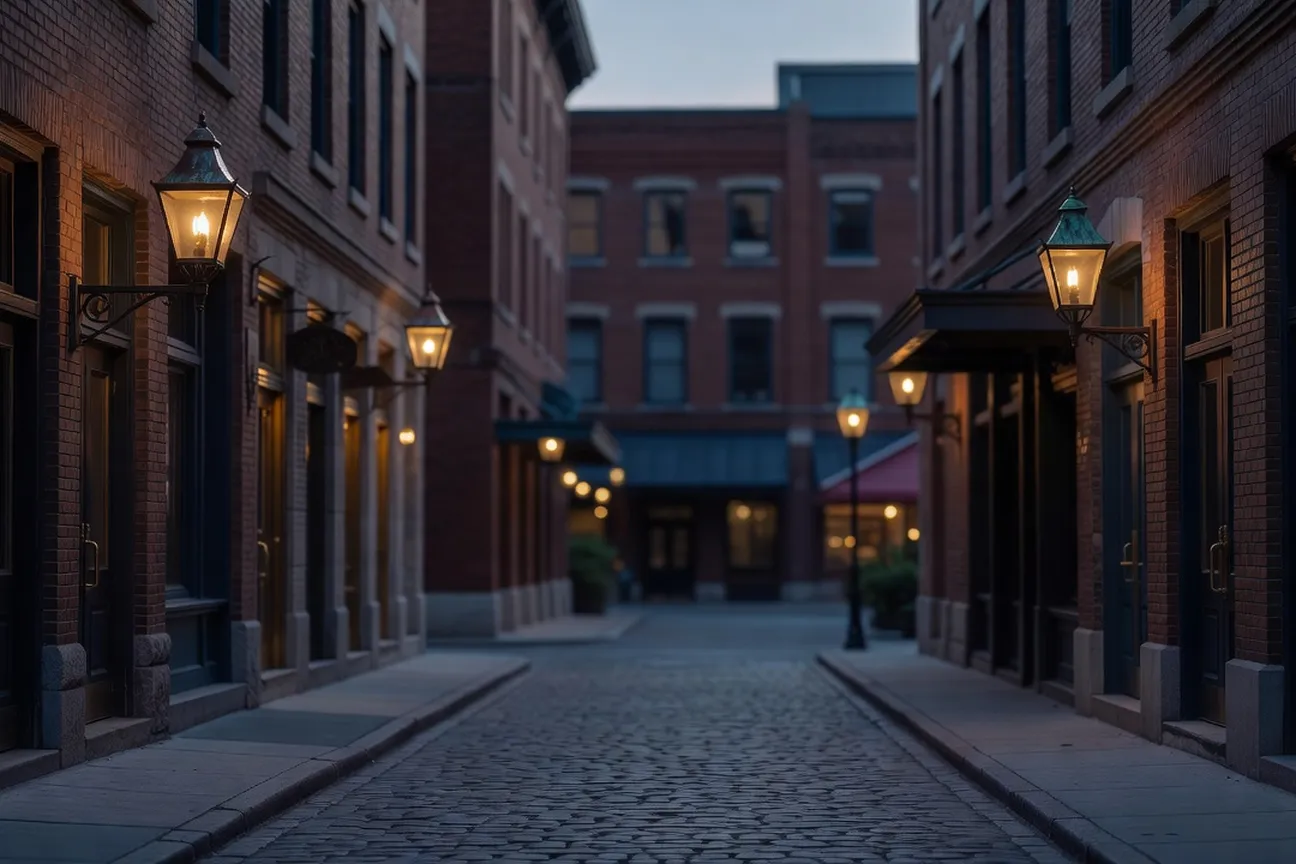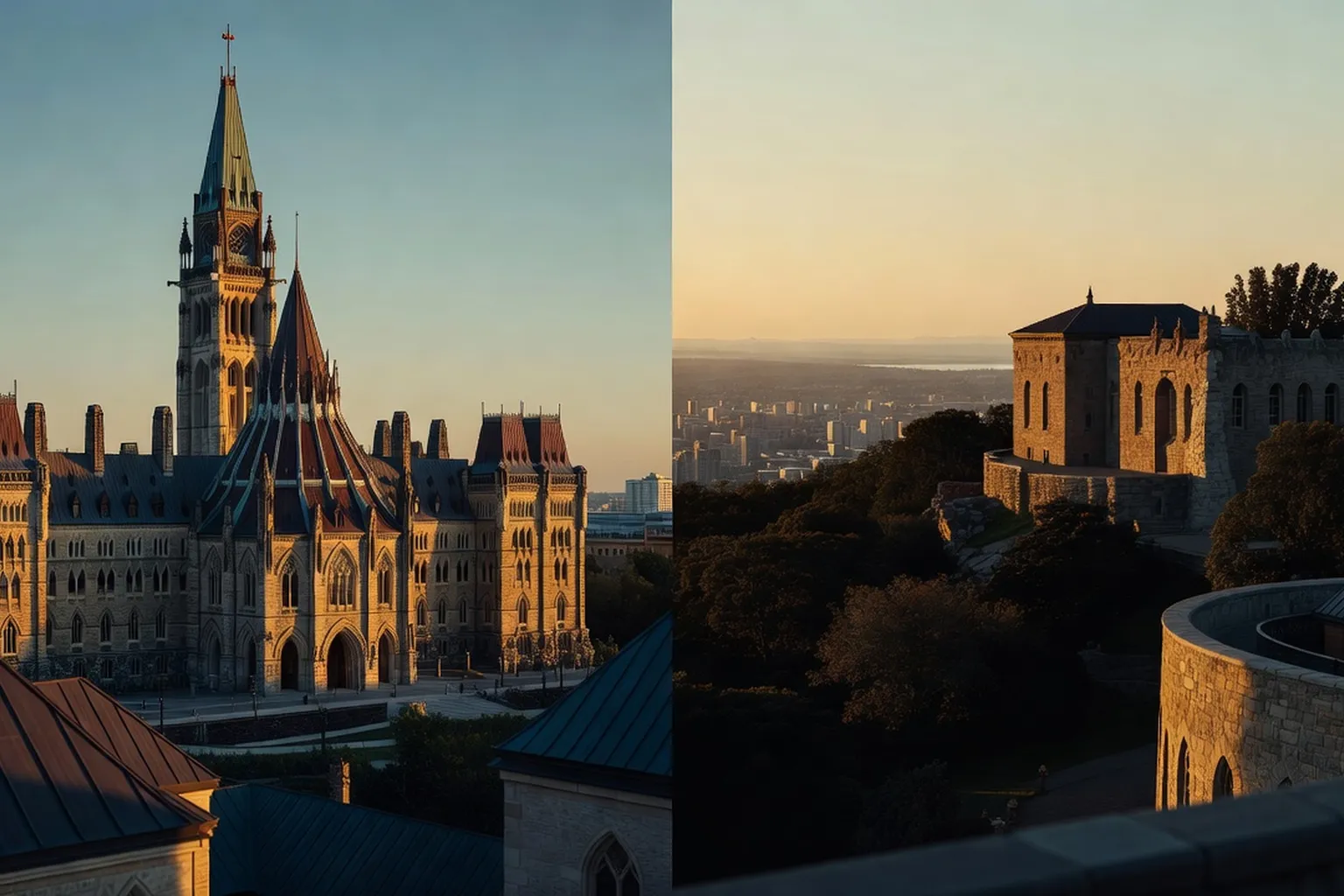
Ottawa and Montreal sit 200 kilometres apart along the Ottawa River, yet they occupy distinct positions on the Canadian map. Ottawa, the national capital, is a planned city with wide ceremonial avenues, government precincts and a quiet riverfront that turns into a skating ribbon in winter. Montreal, by contrast, is a historic island metropolis where 17th-century stone houses share pavement with Brutalist office towers and the hum of the Métro. Both cities draw international visitors, but their rhythms differ: one moves with the measured pace of civil service and embassies, the other with the restless pulse of francophone commerce and culture.
Visitors who arrive expecting a single Canadian archetype often leave surprised. Ottawa can feel like a curated museum of statecraft, while Montreal offers the lived texture of a working city where language, food and public transit are daily negotiations. Deciding which suits a weekend is less about flags or weather than about the kind of urban experience one seeks—quiet corridors of power or a street-level dialogue in French amid smoke from a wood-fired oven.
Setting up the comparison fairly
Neither city is a “better” destination; each rewards a specific itinerary. Ottawa’s compact downtown core is contained within a few square kilometres bordered by the Rideau Canal, the Gatineau Hills and the Ottawa River. The federal precinct—Parliament Hill, the National Gallery and the Canadian War Museum—occupies roughly two kilometres of Wellington Street, a corridor that empties after 17:00 on weekdays. Outside that rectangle, neighbourhoods such as the ByWard Market or Westboro operate on local time: cafés begin service at 06:30, restaurants close by 22:00 and the last OC Transpo bus leaves downtown around 01:00. Visitors who wish to explore beyond Parliament will find the city’s edges are quiet; the nearest significant excursion, Upper Canada Village, is a 45-minute drive, while Gatineau Park’s trails start 15 minutes north of the city centre.
Montreal, by contrast, is a contiguous urban fabric where the island’s 19 boroughs interlock like a jigsaw puzzle. The historic core—Old Montreal and the Old Port—is small enough to traverse on foot, yet the Plateau-Mont-Royal district alone stretches 3 kilometres east to west and 2 kilometres north to south. The city’s transit system (the STM) runs from 05:00 to 01:00 on weekdays, with night buses bridging the gaps until 03:00. Distances feel compressed: Plateau cafés spill onto sidewalks at 07:00, late-night bars in the Mile End district close at 03:00 and the Jean-Talon Market, one of North America’s largest public markets, operates daily from 07:00 to 18:00. For visitors who wish to leave the island, the Laurentians or the Eastern Townships are within 90 minutes by car, and Via Rail offers direct service to Quebec City in 2 hours 30 minutes.
The choice therefore hinges on the scale of exploration a visitor prefers. Ottawa’s weekend can be completed within a 3-kilometre radius without rushing; Montreal demands a broader mental map and a willingness to navigate transit or rideshare at night. Both cities, however, share an autumnal clarity: the light on the Ottawa River is sharp and golden, while Montreal’s afternoon sun turns the stone of the Plateau’s duplexes to honey-coloured sandstone.
Six dimensions, side by side
Food
In Ottawa, dining culture is shaped by proximity to government and diplomatic missions. The ByWard Market, founded in 1826, remains the city’s culinary nucleus, with stalls offering maple syrup, fresh Quebec cheese curds and beaver-tail pastries. Inside the market and along George Street, visitors will find a mix of bistros and pubs that cater to civil servants and tourists alike; notable addresses include Wilf & Ada’s (24-hour diner fare since 1955) and Zak’s Diner (24-hour diner fare since 1988, a legacy of the 1980s disco era). Outside the market, the city’s haute cuisine is concentrated in the Glebe and Westboro neighbourhoods, where chef Steve Kotansky’s restaurant Play Food & Wine (1549 Bank Street) offers a tasting menu of 50 CAD to 90 CAD. Seasonal produce arrives daily from the Ottawa Valley, and the city’s craft-beer scene—led by establishments such as Beyond the Pale (1060 Morrison Drive)—specialises in IPAs and sours rather than the Belgian-inspired brews found in Montreal.
Montreal’s culinary identity is francophone and immigrant-rooted, with a density of restaurants that outstrips Ottawa’s by a factor of five within a comparable radius. The Plateau-Mont-Royal district alone hosts more than 200 eateries, many within walking distance of each other. Visitors who arrive hungry can breakfast on a 4 CAD coffee and a 6 CAD croissant at Café Olimpico (124 Rue St-Viateur), then lunch on smoked meat at Schwartz’s Deli (3895 St-Laurent Boulevard), a sandwich that has changed little since 1928 and costs 12 CAD. For dinner, options range from the century-old Au Pied de Cochon (536 Duluth Avenue East), where foie gras is served with maple syrup and cream, to the casual L’Express (3927 St-Denis Street), a Parisian-style brasserie open until 03:00. The city’s signature dishes—tourtière, poutine, smoked meat—are not just meals but civic rituals, and the cost of a full meal in the Plateau can be as low as 15 CAD or as high as 120 CAD at a tasting-menu restaurant such as Toqué! (900 Place Jean-Paul-Riopelle). Montreal’s restaurant culture is also more linguistically fluid: menus appear in French and English, and servers often switch between both languages mid-sentence.
Museums
Ottawa’s museum landscape is national in scope and governmental in oversight. The Canadian War Museum (1 Vimy Place), which opened in 2005, occupies a 40,000-square-metre site designed by Raymond Moriyama; its exhibits trace military history from the 18th century to Afghanistan, and admission is 17 CAD for adults. The National Gallery of Canada (380 Sussex Drive), designed by Moshe Safdie and opened in 1988, houses Canadian and Indigenous art, including the Group of Seven and Norval Morrisseau, and charges 20 CAD for adult entry. The Canada Aviation and Space Museum (11 Aviation Parkway), located 10 kilometres east of downtown, showcases more than 130 aircraft and charges 17 CAD. Visitors will find that most major museums close at 17:00 or 18:00, reflecting their role as cultural institutions rather than evening destinations.
Montreal’s museums are more intimate and often privately funded. The Musée des beaux-arts de Montréal (1380 Sherbrooke Street West), Canada’s oldest public art museum (founded 1860), occupies a series of historic houses and modern pavilions; its collection ranges from Old Masters to contemporary Quebec artists, and admission is 24 CAD. The Musée d’art contemporain de Montréal (185 Sainte-Catherine Street West), designed by Jean-Paul Pothier, focuses on post-1945 art and charges 14 CAD. The McCord Stewart Museum (690 Sherbrooke Street West) specialises in Montreal’s social history and is housed in a former mansion; admission is 14 CAD. Unlike Ottawa’s institutions, Montreal’s museums often host evening openings (until 21:00 on Thursdays) and Fête des Musées, a late-night festival in May when venues stay open until midnight with free entry. The contrast is instructive: Ottawa’s museums are temples of nationhood, Montreal’s are civic salons.
Walkability
Ottawa’s downtown is designed for pedestrians, but its grid is interrupted by federal security perimeters and the Rideau Canal. From Parliament Hill to the National Arts Centre is 1.2 kilometres along Wellington Street; from the NAC to the ByWard Market is 800 metres along Rideau Street. Sidewalks are wide and well maintained, but foot traffic thins after 17:00 on weekdays. The city’s winter skate on the canal adds a seasonal layer: 7.8 kilometres of frozen waterway become a public rink from December to March, with skate rental at 6 CAD. Beyond the core, walkability declines. Sandy Hill, a 15-minute walk east of Parliament, feels like a separate village, and the Glebe’s Bank Street corridor is continuous but lacks the density of Montreal’s commercial streets.
Montreal’s Plateau-Mont-Royal district is one of North America’s most walkable neighbourhoods, with a 4.5-kilometre perimeter that contains more than 100 cafés, 200 restaurants and 40 bars within a 15-minute stroll. Sidewalks are narrow but lively, and the city’s charter of rights recognises walking as a primary mode of transport. The Plateau’s streets are laid out in a grid of 100-metre blocks, making distances predictable: from the corner of Avenue du Mont-Royal and Rue St-Denis to the corner of Rue St-Viateur and Avenue Christophe-Colombe is 600 metres. Even the island’s outer boroughs—Verdun, Rosemont—are pedestrian-friendly, with commercial corridors that never exceed 1.5 kilometres in length. The city’s urban design favours the foot over the car, and visitors who arrive by Via Rail at Gare Centrale will find the downtown core reachable on foot or via the STM within 15 minutes.
Our French-language partner voyage-canada.com covers similar editorial ground for francophone readers planning a cross-country trip.
Nightlife
Ottawa’s nightlife is a creature of official hours. Bars typically close at 02:00, clubs at 03:00, and live music venues wrap by midnight. The ByWard Market’s George Street is the epicentre, lined with pubs such as The Lieutenant’s Pump (41 Elgin Street), a gastropub that serves local craft beer and closes at 01:30. The city’s only late-night dance venue, Club 505 (505 Bank Street), hosts DJ sets until 03:00 on weekends but draws a crowd largely composed of university students and civil servants. After-hours options are scarce; visitors who wish to continue the evening beyond 03:00 must rely on rideshare or a taxi to the nearest 24-hour diner in the Glebe. The city’s cultural events—concerts at the NAC, theatre at the Great Canadian Theatre Company—end by 22:30, reflecting Ottawa’s role as a daytime capital.
Montreal’s nightlife, by contrast, begins late and ends early by European standards. Bars often open at 17:00 and stay open until 03:00; clubs such as New City Gas (1190 Rue de la Gauchetière) host events until 05:00 on weekends. The Plateau’s Rue St-Laurent and Rue St-Denis are lined with dive bars, cocktail lounges and jazz clubs; notable addresses include Bar Big in Japan (4175 St-Laurent Boulevard), a speakeasy that charges a 10 CAD cover and serves cocktails until 03:00. Festivals such as Igloofest (January) and Osheaga (August) extend nightlife into temporary 24-hour zones. The city’s transit system supports this rhythm: night buses run on 30-minute frequencies until 05:00, and the STM’s late-night service is more reliable than Ottawa’s. For visitors who wish to experience Montreal’s nightlife, the Plateau and the Quartier des Spectacles are the natural starting points, with the Mile End district offering a quieter alternative for those who prefer conversation to dance floors.
Cost
Ottawa’s cost of living for visitors is moderate but not cheap in the downtown core. A mid-range dinner in the ByWard Market—say, a steak at The Manx (37 Clarence Street) followed by a craft beer—will cost 50 CAD to 70 CAD. Museum admission ranges from 14 CAD to 20 CAD, and a single OC Transpo ticket is 3.75 CAD. Parking downtown is expensive: 3 CAD per hour in municipal lots, 4 CAD per hour in private garages. Accommodation is similarly priced: a double room at the Andaz Ottawa ByWard Market (325 Dalhousie Street) starts at 250 CAD per night, while a boutique room at The Strathcona (619 McArthur Avenue) in Sandy Hill starts at 180 CAD. Visitors who wish to extend their stay will find that grocery prices in Loblaws or Metro are comparable to Toronto’s, with a litre of milk at 2.50 CAD and a dozen eggs at 4.50 CAD.
Montreal’s cost of living for visitors is lower, particularly for food and drink. A mid-range dinner in the Plateau—say, a plate of moules-frites at Le Cartet (361 Avenue du Mont-Royal East) followed by a glass of Quebec cider—will cost 30 CAD to 40 CAD. Museum admission ranges from 10 CAD to 24 CAD, and a single STM ticket is 3.50 CAD. Parking in the Plateau is scarce and expensive (4 CAD per hour on Rue St-Denis), but the city offers 170
Who Ottawa actually suits better
For the traveller whose priorities lie in calm, measured exploration rather than the stimulation of a larger metropolis, Ottawa offers a rhythm that suits deliberate pacing. The city’s scale is compact enough that a walk from Parliament Hill to the Rideau Canal locks takes just under twenty minutes, passing cafés where the espresso is pulled to order and the pastries are from a bakery that opened in 1948. Visitors will find that the National Gallery of Canada, though internationally significant, rarely hosts the crowds seen at equivalent institutions in Montreal, allowing time to stand within the Rothko room without queuing. This unhurried atmosphere extends to accommodation: the ByWard Market’s heritage townhouses, some converted to guest rooms with exposed beams and original plaster, cost less per night than similarly located flats in Montreal, and parking is simpler to arrange than in the Plateau.
The visitor profile best matched to Ottawa is the cultural generalist who values civic spaces over nightlife. Consider the retired couple from Vancouver who, after a week in Toronto, sought a quieter base while attending the Canada Dance Festival. They booked a room above a bookshop on Elgin Street for CAD 145 a night, walked each morning to the Supreme Court’s art collection, and took the 15-minute bus ride to the Canadian War Museum every afternoon. Their itinerary included a 45-minute drive to day trips from Ottawa one Saturday, where they toured a 1860s manor in Manotick and lunched on perch at the museum café by the river. The absence of late-night disturbance meant they slept with the window open, something they had not managed in Montreal’s Plateau district.
Another example is the family with two children aged eight and ten, visiting from Singapore during July. They chose a two-bedroom apartment in Sandy Hill for CAD 210 a night, within walking distance of the Museum of Science and Technology. The children spent mornings at the Canada Agriculture and Food Museum, where goats and pigs are still milked daily, and afternoons at Major’s Hill Park, where the view of the Ottawa River and the Gatineau Hills is uninterrupted by high-rise buildings. The parents appreciated that the city’s bilingualism did not come at the cost of clarity: signage is legible, museum staff often speak both languages without switching mid-sentence, and the stress of navigating another language was removed entirely.
“Ottawa doesn’t demand you perform tourism at speed,” remarked the Vancouver couple over dinner at a Westboro bistro. “It lets you absorb at your own pace.”
The city’s infrastructure supports this deliberate style. OC Transpo’s bus and light rail network operates on a predictable timetable, with real-time apps that provide departure times accurate to within two minutes. Visitors will find that the O-Train’s Confederation Line, opened in 2019, connects the airport to the city centre in 28 minutes for CAD 3.70, a journey that in Montreal requires a taxi or Uber at CAD 45 on a Friday evening. The ByWard Market’s Saturday farmers’ market, running since 1846, still closes by 3 p.m., encouraging visitors to leave space in the afternoon for a stroll along the canal or a drive to the nearby vineyards of the Upper Canada region.
Travellers based in France will find our partner timetours-voyages.fr covers similar ground in French.
Finally, Ottawa’s calendar of events is curated rather than cacophonous. Winterlude in February draws local skaters to the Rideau Canal’s 7.8-kilometre skating rink, but the crowds disperse by dusk, leaving the ice lit by vintage street lamps. Summer brings the Ottawa Bluesfest to LeBreton Flats, yet the festival grounds are a ten-minute walk from the nearest hotel, unlike Montreal’s sprawling Osheaga site, which requires a metro shuttle. The city’s reluctance to over-programme its calendar means that visitors can attend without the fatigue that accompanies a packed schedule elsewhere.
Who Montreal actually suits better
Montreal rewards the traveller who seeks the friction of urban density, where culture and commerce collide in ways that feel organic rather than curated. The city’s neighbourhoods—each with a distinct rhythm—invite exploration on foot, by métro, or through the occasional Uber ride when the hills of Mile End become too steep. Visitors will find that the Musée des Beaux-Arts, housed in a former convent and three adjoining townhouses, displays works from Old Masters to contemporary Inuit sculpture, all within a single city block. The contrast with Ottawa’s single-building National Gallery is not just architectural but experiential: in Montreal, the museum is one stop on a broader cultural circuit that includes a late-night jazz set in a basement club on Saint-Laurent Boulevard.
The visitor profile most suited to Montreal is the urbanist who thrives on overlapping languages, cuisines, and centuries of architectural accretion. Take the Berlin-based designer visiting for the first time, who stayed in a loft conversion in Griffintown for CAD 160 a night. Her mornings began with a coffee from Café Olimpico on Saint-Viateur, then a walk through the Old Port’s cobblestone streets to the Clock Tower, where the view of the Saint Lawrence River and the Jacques Cartier Bridge reveals the city’s maritime heritage. Afternoons were spent at the Marché Atwater, where vendors sell Quebec lamb sausage and imported Italian pecorino in equal measure, and evenings at Casa del Popolo, a Mile End venue where experimental folk acts play in a room heated by a wood stove. The designer appreciated that Montreal’s bilingualism was not a policy but a lived reality: shopkeepers switched between French and English without hierarchy, and the métro announcements repeated each stop in both languages, a subtle reminder of the city’s dual identity.
Another example is the American college student studying francophone literature, who arrived in Montreal for a three-month semester abroad. She rented a studio on Avenue du Mont-Royal for CAD 950 a month, within walking distance of the bookshops on Rue Saint-Denis and the cafés of the Plateau. Her research took her to the Bibliothèque et Archives nationales du Québec, where the microfilm collection of 1950s Le Devoir newspapers provided primary sources for her thesis on Quebec separatist poetry. On weekends, she explored the city’s underground network—the RESO—a 32-kilometre labyrinth of shops, metro stations, and tunnels that connects 60 buildings. The experience was practical (she avoided winter sidewalks) and immersive, as the RESO’s art installations and pop-up markets reflected the city’s seasonal rhythms.
Montreal’s culinary scene, meanwhile, offers a breadth that Ottawa cannot match. The city has 25 restaurants per 100,000 residents, compared to Ottawa’s 12, and the density creates competition that drives quality. Visitors will find that a lunch of smoked meat at Schwartz’s Deli—where the meat has been cured daily since 1928—can be followed by an evening of Neapolitan pizza at Joe Beef’s basement counter, all within a two-kilometre radius. The contrast with Ottawa’s restaurant scene, which excels in casual bistros and pub fare, is stark. In Montreal, the city’s Italian community, concentrated in Little Italy, has produced bakeries like Pasticceria San Marco, where sfogliatelle are baked fresh each morning, and espresso bars like Café Olimpico, which has served the same roast since 1976. The multiculturalism is not just demographic but gastronomic: the Jean-Talon Market alone offers Filipino longganisa, Haitian griot, and Portuguese chouriço alongside Quebec strawberries in season.
The nightlife, too, is more varied than Ottawa’s, which tends to quiet after midnight outside of festival periods. In Montreal, a visitor might start the evening at Bar Big in Little Italy, listening to a DJ set in a room lit by Edison bulbs, then move to Bar Le Ritz PDB for a live indie band, and finish at Bar Whisky Café, where over 1,000 whiskies are available by the glass. The métro’s last trains depart after 1 a.m. on weekends, and taxis are abundant, unlike Ottawa’s limited late-night transit options. The city’s reputation for a vibrant nightlife is not exaggerated: in 2023, Montreal was named the world’s best nightlife destination by Time Out, citing its mix of dive bars, jazz clubs, and underground electronic venues.
Montreal’s language politics, often a point of curiosity for visitors, are navigable without deep fluency. While French is the city’s official language, the tourism sector is accustomed to English speakers, and many residents switch to English if they sense discomfort. Visitors will find that a polite “Bonjour, hello” before asking for directions usually suffices, and that shop signs and menus are often bilingual. The city’s linguistic duality is most evident in its media: newspapers like La Presse and The Montreal Gazette operate side by side, and radio stations alternate between French and English programming. For the traveller who views language as part of the cultural experience rather than a barrier, Montreal offers an immersion that feels natural rather than imposed.
Doing both in a single week
A seven-day itinerary that includes both cities begins with an understanding of travel time: the Via Rail train from Ottawa’s Fallowfield Station to Montreal’s Gare Centrale takes two hours and 10 minutes on the fastest route, with departures roughly every two hours. Visitors will find that booking in advance secures seats on the corridor’s LRC trains, which feature power outlets and onboard Wi-Fi, making the journey a workable extension of the day rather than a transit chore. The fare ranges from CAD 49 to CAD 89 one-way, depending on the class and booking window, a cost that is offset by the convenience of arriving in Montreal’s city centre rather than at a peripheral airport.
The split-week arrangement suits visitors who want the contrast of Ottawa’s civic calm and Montreal’s urban intensity without the fatigue of switching countries. A practical schedule might begin with three nights in Ottawa, followed by a midday train to Montreal, then three nights in the Plateau or Mile End. In Ottawa, mornings could be spent at the Canadian War Museum, followed by a lunch of beaver-tail pastry from the ByWard Market stall, and afternoons exploring the ByWard Market’s heritage buildings. The evenings should be reserved for low-key dinners at where to stay in Ottawa neighbourhood bistros like Play Food & Wine or Wilf & Ada’s, where the wine lists are curated by sommeliers and the portions are generous without being overwhelming.
Upon arrival in Montreal, the first afternoon could be spent in Old Montreal, where the cobblestone streets and 17th-century warehouses provide a visual contrast to Ottawa’s federal architecture. A dinner at Crew Collective & Café, a former bank turned dining hall with marble columns and chandeliers, sets the tone for Montreal’s blend of grandeur and informality. The next day might include a morning at the Jean-Talon Market, followed by an afternoon at the Musée des Beaux-Arts, and an evening at a jazz club like Upstairs or Casa del Popolo. Visitors will find that Montreal’s density rewards back-to-back activities: a poetry reading at Librairie Drawn & Quarterly could be followed by a late-night falafel at L’Gros Luxe, all within a 15-minute walk.
The logistics of moving between the two cities are straightforward. The train stations are centrally located—Ottawa’s Fallowfield is a 20-minute bus ride from the city centre, while Montreal’s Gare Centrale is a five-minute walk from the Eaton Centre—and the luggage allowance on Via Rail is generous enough for a week’s worth of clothing without resorting to a suitcase on wheels. Visitors should pack for both climates: Ottawa’s winters can drop to -20°C, while Montreal’s summers often reach 30°C with humidity. Layering is the most effective strategy, as both cities’ indoor spaces are climate-controlled.
Culturally, the two cities complement each other. Ottawa’s museums are national in scope, while Montreal’s are local in focus but globally informed. The Canadian Museum of History in Gatineau, just across the river, offers a First Peoples Hall that contextualises Indigenous histories with artefacts from across Canada, while Montreal’s Pointe-à-Callière Museum uses archaeological digs beneath the Old Port to tell the story of the city’s founding. The contrast is not just thematic but experiential: the History Museum is vast, while the Pointe-à-Callière is intimate, designed for a single afternoon’s exploration.
For the traveller who views travel as a means of understanding place rather than ticking off landmarks, the week-long split allows for depth without exhaustion. The mornings in Ottawa can be slow—coffee at a Sandy Hill café, a stroll through the Arboretum, a visit to the Bytown Museum’s exhibits on the city’s lumber-baron origins—while the afternoons in Montreal can be kinetic, moving from a Greek bakery on Avenue du Parc to a vinyl record store in Mile End to a rooftop bar in Griffintown. The transition is seamless because the cities, while distinct, share a region’s sensibility: both are Francophone in spirit, even if Montreal wears it more visibly. The week ends not with the relief of leaving a city behind, but with the satisfaction of having experienced two facets of the same cultural landscape.
For visitors who can only spare a long weekend, the choice between Ottawa and Montreal becomes a matter of temperament rather than itinerary. Ottawa’s sedate elegance suits those who prefer their culture with space between the exhibits, while Montreal’s kinetic energy attracts those who thrive on the friction of urban life. Yet the two cities are not so far apart that they cannot be experienced together. A single week allows for the contrast without the strain: mornings of quiet discovery in Ottawa, afternoons of sensory overload
Frequently asked
Ottawa offers a variety of attractions such as the Canadian Museum of History, Parliament Hill, and the National Gallery of Canada. Visitors can explore these sites over a weekend, with the Canadian Museum of History open from 9:30 AM to 5 PM on Saturdays and Sundays. Admission fees are around CAD 20 for adults. Don't miss the chance to see the Changing of the Guard ceremony on Parliament Hill, which typically runs daily during the summer months.
Montreal boasts a vibrant cultural scene with numerous festivals, such as the Montreal International Jazz Festival and Just for Laughs, usually held in June and July. The city is also home to the Montreal Museum of Fine Arts, with admission around CAD 24 for adults. While Ottawa has cultural landmarks like the National Arts Centre, Montreal's cultural scene is larger, offering diverse options throughout the year.
Accommodation costs in Ottawa and Montreal can vary, but generally, Montreal might offer more budget-friendly options. For instance, a mid-range hotel in Ottawa can cost around CAD 150-200 per night, whereas similar accommodations in Montreal might range from CAD 130-180. Both cities offer a variety of options, from luxury hotels to budget hostels, suiting different traveller needs.
Montreal is renowned for its diverse culinary scene, from iconic smoked meat sandwiches at Schwartz's Deli to fine dining at Toqué!, with meals typically costing between CAD 15 and CAD 100 per person. Ottawa also offers excellent dining, with local favourites like BeaverTails and fine dining at Riviera. While both cities provide great dining experiences, Montreal is often seen as the more gastronomically adventurous choice.
Montreal is famous for its lively nightlife, with a range of bars, clubs, and live music venues in areas like the Plateau and Old Montreal. Entry fees for clubs usually range from CAD 10-20. Ottawa, while having a more subdued nightlife, features spots like ByWard Market which offers a selection of pubs and lounges. Overall, Montreal offers a broader and more vibrant nightlife experience than Ottawa.