Where and When to Shoot Golden Hour in Ottawa
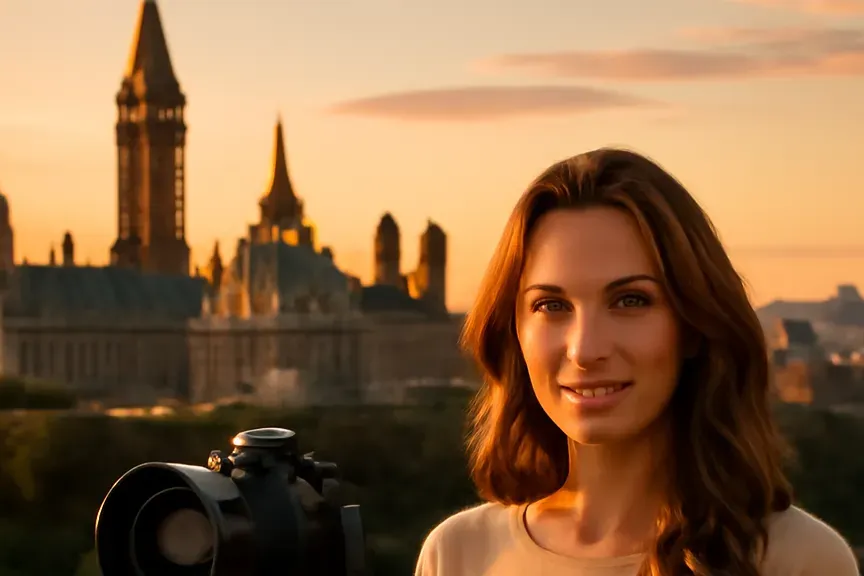
For the strongest golden-hour photographs of Parliament Hill and downtown Ottawa, start at Major’s Hill Park, Nepean Point, the Alexandra Bridge area, or the Rideau Canal locks near Sapper’s Bridge. Sunset is usually the better bet: from these main riverfront and elevated viewpoints, Parliament sits to the west or northwest, so late-afternoon light has more warmth and direction. Stay after sunset, too. Ottawa’s blue hour is when the river, canal, stonework, and downtown lights begin to work together.
The first mistake many visitors make is photographing Parliament Hill only from Parliament Hill. The buildings are impressive at close range, but the wider city picture happens from across the river, beside the canal, or from an elevated perch nearby. Those positions bring Parliament, the Château Laurier, water, bridges, and the Gatineau Hills into the same frame. They also give the skyline room to breathe.
Here is the practical short list before getting into the finer points of timing and route planning.
| Viewpoint | Best light window | What it captures best |
|---|---|---|
| Major’s Hill Park | Sunset through blue hour | An elevated, well-rounded view of Parliament Hill, the Château Laurier, and the canal locks |
| Nepean Point | Late golden hour and sunset | A higher, broader view of Parliament, the river, and the Gatineau Hills |
| Alexandra Bridge area | Sunset and the fading light after it | Skyline framing with river foreground and sunset colour |
| Rideau Canal locks near Sapper’s Bridge | Blue hour, with time before sunset | Low-angle views, reflections, canal detail, and city lights |
Ottawa rewards patience more than frantic location collecting. Pick a principal viewpoint for the best light, then use the period after sunset for a second location with reflections or illuminated architecture. A photographer who comes home with one carefully composed sunset frame and one blue-hour canal image has usually had a more successful evening than someone who rushed through four spots without settling into any of them.
Why Sunset Usually Wins for Parliament Hill
Sunrise has virtues, especially for travellers who like quiet streets and a cooler visual mood. But for the classic Parliament Hill-and-river photographs, sunset normally has the advantage.
The central reason is direction. Parliament lies west or northwest of the major downtown riverfront viewpoints described here. In late afternoon, the lower sun brings warm light across the scene rather than leaving it flatly lit. Stone façades gain shape, the river can hold colour, and the broad skyline reads as a layered composition rather than a collection of separate buildings.
Sunset also gives a natural progression for an evening shoot. The warm stage comes first, when the sky and architecture may carry golden tones. Then the sun drops, contrast softens, and blue hour begins. That is the period when Ottawa’s lights become part of the picture without the sky turning fully black. The canal locks near Sapper’s Bridge are particularly useful at this point because reflections and low-angle compositions become more compelling as the city lights appear.
For visitors planning only one serious session, the best approach is simple:
- Arrive before golden hour rather than at sunset itself.
- Photograph the warm light first, while watching how it moves across Parliament and the water.
- Remain in place long enough to make the quieter, cooler blue-hour images.
- Move only when the light has changed enough to justify the lost shooting time.
Sunrise still deserves consideration. It delivers softer, cooler light and usually fewer people around, which matters if a tranquil atmosphere is more valuable than warm colour. A photographer looking for clean architectural studies, subdued river scenes, or a less crowded experience may genuinely prefer the morning. It can also be the sensible choice for a visitor whose schedule does not allow a late session.
The tradeoff is emotional as much as technical. Sunset photographs tend to feel more theatrical: amber stone, coloured cloud, lit windows, a busier city. Sunrise is more restrained. Ottawa before the day gets going can feel spacious and spare, with cooler tones and fewer distractions. Neither is inherently superior, but sunset is the more reliable choice for the familiar capital-city panorama.
Major’s Hill Park: The Most Versatile Starting Point
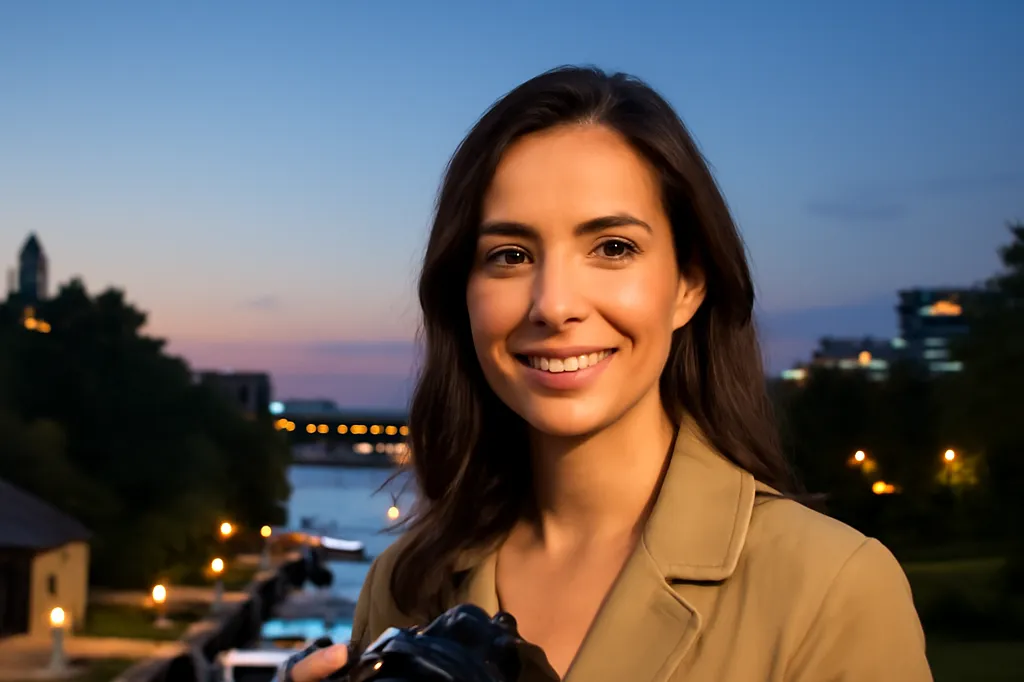
If there is one viewpoint to prioritize on a first photography trip to Ottawa, make it Major’s Hill Park. It is the best all-around elevated view in the downtown core, bringing Parliament Hill, the Château Laurier, and the Rideau Canal locks into a coherent scene. That combination is hard to beat because it gives both landmark recognition and a sense of place.
The park works particularly well from late afternoon into blue hour. During the warmer stage of the evening, use its elevation to organize the scene: Parliament as the dominant subject, the Château Laurier as a secondary architectural anchor, and the canal locks as a line that pulls the eye through the frame. Once the warm light fades, the same view can become more graphic. Building lights and the deepening sky take over, while the canal infrastructure gains a quieter visual presence.
This is not a spot to treat as a one-angle postcard stop. Its strength is flexibility. Spend time looking for variations in the balance between the three major elements: Parliament, hotel, and locks. A broad composition may tell the complete downtown story; a tighter frame can make the relationship between stone architecture and canal geometry more pronounced.
Major’s Hill Park is also a practical place to begin an evening because it lets a photographer judge the sky before committing to a more specialized viewpoint. If the sunset is developing with colour, the elevated overview makes sense. If the most interesting light arrives after the sun has gone down, the nearby visual idea of water and locks can guide the next stage of the session.
A few compositional habits help here:
- Give the skyline enough breathing room. A view of Parliament is stronger when it feels placed within Ottawa rather than isolated against an empty field of sky.
- Watch the visual weight of the Château Laurier. It can be a valuable counterpoint to Parliament, but it should support the frame rather than compete with it.
- Stay alert as blue hour begins. The picture may improve after the obvious sunset colour has faded.
- Take time to make a stable, deliberate composition before repeatedly changing focal lengths and positions.
Major’s Hill Park is not necessarily the place for the most dramatic sense of height. That is Nepean Point’s role. Its advantage is balance: it offers the established capital view without sacrificing the canal and the urban texture that make Ottawa distinct from a generic government skyline.
Nepean Point: The Wider, Higher Capital View
Nepean Point is the choice when the aim is breadth. Located behind the National Gallery of Canada, it gives a higher vantage point with wide views of Parliament, the river, and the Gatineau Hills. This is where Ottawa begins to look like a capital set within a larger landscape rather than simply a downtown cluster of landmark buildings.
The extra elevation changes the storytelling potential of the image. At Major’s Hill Park, the visual conversation is largely among Parliament, the Château Laurier, and the canal locks. From Nepean Point, the Ottawa River and the distant hills become more prominent. The city can be framed as a meeting point between architecture, water, and the wider valley.
Late golden hour and sunset suit this viewpoint best. The lowering sun gives the scene more depth, particularly when there is definition in the sky and a tonal separation between the city, river, and hills. A broad view benefits from that layered light. During blue hour, the city lights can begin to stand out against the cooler landscape, though the mood is more expansive and less intimate than it is at the canal locks.
Nepean Point rewards photographers who resist the urge to put every landmark dead centre. With so much visible territory, composition matters. Decide what the picture is actually about. Is Parliament the central subject, with the river supporting it? Is the river the sweep that leads toward Parliament? Are the Gatineau Hills essential atmosphere, or merely distant context?
A useful way to work the location is to make three distinctly different kinds of frame rather than twenty slight variations of the same one:
- A wide establishing image in which Parliament, river, and hills share the visual weight.
- A more architecture-led composition that lets Parliament dominate while retaining a sense of elevation.
- A dusk image in which the brightening downtown contrasts with the increasingly cool landscape.
The broad view does come with a tradeoff. It can be less immediately intimate than an image made beside the water or at the locks. If your goal is texture, reflection, or the close relationship between the city and the canal, plan to move later. Nepean Point is best as the grand opening act of an evening rather than the only place to shoot.
Alexandra Bridge and the Rideau Canal Locks: Water, Framing, and Blue-Hour Detail
The Alexandra Bridge area and the Rideau Canal locks near Sapper’s Bridge offer a different kind of Ottawa picture. Instead of using height to explain the city, they use water and structure to create foreground interest.
The Alexandra Bridge area is particularly good for skyline framing and sunset views over the river. The river gives the image scale and openness, while the bridge environment can help establish a sense of crossing between the city and the wider landscape. This is a strong option for photographers who want Parliament to sit within a river scene rather than dominate every pixel.
At sunset, look for the relationship between the colour in the sky and the darkening forms of the skyline. As the light falls, the scene can shift from a warm landscape photograph into something more graphic: river, bridge structure, distant buildings, and a band of colour near the horizon. It is a place where restraint often helps. Too much sky can weaken the subject, while too little may lose the reason for coming at sunset.
The locks near Sapper’s Bridge are the more intimate blue-hour choice. They are best for low-angle compositions, reflections, and city lights. Arrive before the sun has fully set, because the early warm phase may still give the stone and water a useful glow. Then stay through blue hour, when reflections become a bigger part of the image and the surrounding lights begin to register clearly.
This is one of Ottawa’s most rewarding locations for photographers who enjoy slowing down. A low viewpoint lets the canal do visual work: leading lines, reflected points of light, changing colour on the surface, and the contrast between historic infrastructure and the nearby downtown. The strongest frames often depend less on an enormous sunset and more on careful placement of the water in the composition.
The locks also make a convincing second stop after an elevated viewpoint. A session that begins with a broad Parliament panorama can end with something altogether different: tighter, quieter, more reflective. That contrast gives a portfolio from one evening more variety than shooting the skyline from multiple high viewpoints.
The Best Seasons for Golden Hour in Ottawa
Late spring through early fall is the most reliable period for golden-hour photography in Ottawa, with May through September especially favourable. The appeal is not simply warmer weather. These months provide longer warm evenings and more usable blue hour, making it easier to work a location patiently and, if conditions suit, fit a second viewpoint into the same session.
Summer is generous with time. In June, sunset in Ottawa is approximately between 8:53 and 8:57 p.m., and daylight lasts about 15 hours and 39 minutes. That later schedule changes the feel of an evening shoot. There is time to have a proper late-afternoon setup, photograph through sunset, wait for blue hour, and still leave the downtown core at a reasonable point in the evening.
Winter is the opposite. In December, sunset is approximately between 4:21 and 4:22 p.m., with daylight lasting roughly 8 hours and 45 minutes. The light is no less worth photographing, but the rhythm of the day is completely different. A winter “sunset session” begins in early afternoon, not after dinner. Visitors who underestimate this can easily arrive after the best colour has gone.
The seasonal contrast is worth building into an Ottawa itinerary:
- May to September: Plan for longer evenings, a more relaxed pace, and enough blue-hour time to consider two or even three viewpoints.
- Winter: Treat the afternoon as your photography window. Be ready well before sunset, since the useful light arrives early and fades quickly.
- Any season: Check the day’s sunset time before choosing your route. The calendar matters more in Ottawa than travellers accustomed to consistent evening schedules may expect.
Long summer light also makes it easier to wait out uncertainty. A sky may look unpromising early in the evening and become more interesting later. In December, there is less room to delay decisions. A photographer needs to know where the main frame will be made and arrive with enough time to settle in.
That does not mean winter is merely a difficult version of summer. Ottawa’s cold season offers subjects unavailable in the warmer months, notably the Rideau Canal Skateway and Winterlude ice sculptures. The planning logic changes, but the payoff can be exceptional.
Winter Photography: The Skateway, Winterlude, and the Early Sunset Advantage
Winter gives Ottawa a more graphic, luminous personality. Snow and ice simplify a scene, while the early sunset pulls golden-hour work into the middle of the afternoon. For visiting photographers, that can actually be useful: an evening shoot does not require staying out late, but it does require much better preparation.
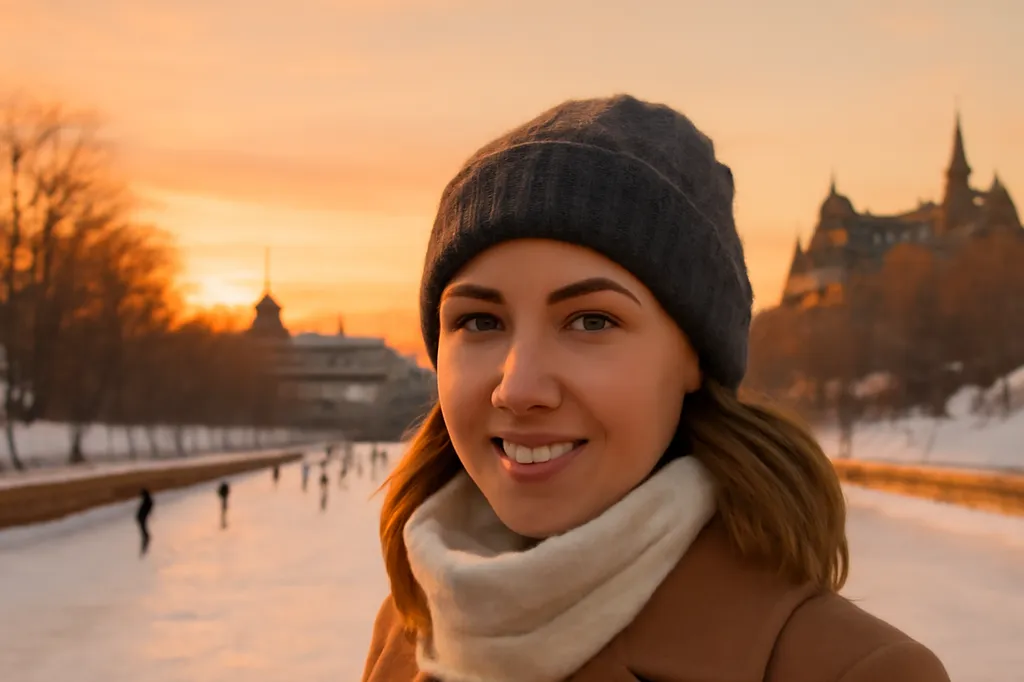
Photographers planning a visit around the Rideau Canal in winter will find the Skateway a natural subject. For sunset photography there, arrive before golden hour and remain through blue hour. The ice and rink lighting offer two distinct visual opportunities in one session. Earlier on, warm sky colour can play across the winter scene. After the sun drops, the lighting and ice can produce clean reflections that would not exist in the same way in daylight.
The key is not to leave as soon as the sun disappears. On the Skateway, blue hour is often the point at which the scene becomes most coherent. The sky retains colour, the ice can reflect artificial light, and the photograph gains the visual tension between a fading natural day and an active urban winter setting.
For visitors timing a trip around Winterlude’s ice sculptures, the sculptures call for a slightly different photographic approach than the Skateway itself. Photograph them in late afternoon into dusk rather than under flat midday light. As ambient sky light fades and event lighting becomes more visible, the sculptures can show more depth and sparkle. The combination gives their surfaces shape, while a bright overcast midday can make ice appear comparatively flat.
A winter afternoon-and-dusk plan might look like this:
- Arrive in early afternoon with enough time to work before the short-day light begins to drop.
- Use the golden-hour period for a broader Skateway or downtown winter scene.
- Continue into blue hour for reflections, rink lighting, and a cooler overall palette.
- If ice sculptures are part of the plan, photograph them in the late-afternoon-to-dusk transition, when ambient and artificial light can work together.
Winter also changes how long a photographer can comfortably stand in one place. The answer is not necessarily to move constantly; frequent relocation can cost more good light than it saves. Instead, choose a primary composition, prepare for the cold, and make purposeful adjustments when the light changes.
Snow and ice present an exposure challenge, too. Cameras often try to render bright white surfaces too dark. Slightly overexpose when photographing snow or ice to protect highlights and preserve detail in white surfaces. Review the results carefully rather than relying on a single automatic setting. A small adjustment can make the difference between snow that looks clean and luminous and snow that turns dull grey.
Tripods, Drones, and Photographing on Federal Land
Ottawa’s most attractive photography areas, including much of the ground covered in Parliament Hill’s heritage guide, overlap with National Capital Commission-managed land and federal property, so a little care is required. The rules are not an afterthought, particularly for visitors who assume public scenery automatically means unrestricted equipment use.
Tripods for still photography are generally fine in public outdoor areas. That said, specific restrictions can apply on federal property. Check posted rules on site before setting up, and do not assume that a practice accepted in one outdoor area will be accepted everywhere. A tripod takes space and can affect pedestrian flow, especially around popular viewpoints and narrow paths. Work neatly, avoid blocking access, and keep the setup as unobtrusive as the setting requires.
Drone use requires much more caution. A permit is required to fly a drone over NCC-managed lands. Recreational drone use is not permitted in the Greenbelt, Gatineau Park, or at Mud Lake. Those restrictions make the practical advice straightforward: do not arrive expecting to add aerial footage casually to an Ottawa photography day.
Good to know: Confirm whether your shooting location falls under NCC management before packing a drone. A permit secured after arriving in Ottawa is rarely realistic within a short visit.
Before bringing a drone into a shooting plan:
- Confirm whether the land is managed by the NCC.
- Obtain the necessary permit before flying over NCC-managed areas.
- Do not use a recreational drone in the Greenbelt, Gatineau Park, or Mud Lake.
- Treat posted local restrictions as part of the shoot plan, not an inconvenience to negotiate around.
The same principle applies to tripods: public outdoor access and photography access are related, but they are not identical to permission for every setup in every place. Ottawa’s landmark views are still readily available without complicated gear. A camera, a stable support where permitted, and a patient approach to changing light are enough.
Cold-Weather Camera Care and Fast Decisions in Fading Light
Cold changes both equipment behaviour and photographer behaviour. Batteries lose performance and runtime significantly in low temperatures, so spare batteries belong in an inner pocket, close to your body, rather than in an unheated bag or car. Swap them often. A warm spare is far more useful than several batteries that have been sitting in the cold.
Condensation is another reason to avoid repeated indoor-outdoor transitions. Moving gear back and forth between heated interiors and winter air can create moisture problems. Carry a lens cloth, keep the camera handling deliberate, and avoid ducking inside repeatedly just to warm up for a moment before returning to shoot.
The cold-weather essentials are modest but meaningful:
- Keep spare batteries warm in an inner pocket.
- Change batteries regularly rather than waiting for one to fail completely.
- Do not leave backup batteries in an unheated bag or car.
- Carry a lens cloth and limit frequent transitions between warm interiors and the cold outdoors.
- Slightly overexpose snow and ice scenes to retain detail in white surfaces.
- Use a faster shutter speed when handholding in low winter light.
That final point matters more than photographers sometimes expect. Golden hour fades quickly during the cold months, and handholding in low light can turn a promising frame into a soft one. If the conditions require it, prioritize a shutter speed that keeps the scene sharp. A technically clean image with a little more sensitivity is usually more valuable than a blurred photograph made at an idealistic setting.
There is also a human advantage to preparation. When your hands are cold and the sky is changing, you do not want to be searching through menus or rearranging a bag. Set up your expected shooting mode before the best light arrives. Know where the spare battery is. Have a lens cloth ready. Winter photography feels much less punishing when the camera work is routine and your attention can stay on the scene.
Building a Realistic Two- or Three-Viewpoint Evening
The most effective Ottawa photography itinerary is based on light stages, not a checklist. An elevated location is usually strongest while the sun is still providing warmth and directional light. A waterside or lock-side setting becomes more attractive as blue hour develops. This makes Major’s Hill Park or Nepean Point natural starting points, followed by the Rideau Canal locks near Sapper’s Bridge.
For a reliable two-location evening, begin at Major’s Hill Park before golden hour. Use the elevated view to photograph Parliament Hill, the Château Laurier, and the locks while the late-afternoon tones are present. Stay through sunset if the sky is promising. Then move to the locks for the blue-hour portion, focusing on low angles, reflections, and emerging city lights.
That route is effective because the two locations do not repeat the same image. The first offers the capital panorama; the second gives the canal-level detail. A visitor leaves with photographs that feel connected but not redundant.
For a more expansive version, start at Nepean Point. Work the higher panorama of Parliament, the river, and the Gatineau Hills during late golden hour. When the sun has set, choose between the Alexandra Bridge area and the canal locks according to the kind of image still missing from the session. Go toward the bridge area if the river and skyline framing are the priority. Choose the locks if reflections, city lights, and a lower viewpoint appeal more.
A three-viewpoint plan is possible only if approached with discipline. The danger is spending the entire evening in transit between compositions while the best light happens somewhere else. Rather than promising yourself equal time everywhere, assign each stop a job:
- First stop: the principal golden-hour image from Major’s Hill Park or Nepean Point.
- Second stop: either the Alexandra Bridge area for a river-and-skyline frame or the locks for early blue-hour water detail.
- Third stop, only if time and light allow: the remaining location for a distinctly different closing image.
The smartest choice is often to drop the third stop. Blue hour is not a long open-ended opportunity, especially in winter, and the locks deserve more than a rushed five-minute visit. If the reflections are working, stay. If the sunset over the river is delivering colour, keep shooting from the Alexandra Bridge area. A strong evening is shaped by responding to the light, not by proving that every viewpoint was visited.
For May through September, plan an unhurried late-evening session and expect the most generous window around sunset and blue hour. In December, reverse your assumptions: eat earlier, arrive in the early afternoon, and be ready for sunset shortly after 4:20 p.m. In either season, Ottawa’s best photographs tend to come from the same discipline—arrive before the obvious moment, choose a viewpoint with a clear purpose, and stay until the city’s lights take their turn.
Frequently asked
Major's Hill Park is the most versatile starting point, since it offers an elevated, well-rounded view combining Parliament Hill, the Chateau Laurier, and the Rideau Canal locks in one coherent scene. Nepean Point, behind the National Gallery of Canada, gives a higher and wider view if the goal is to include the Ottawa River and the Gatineau Hills rather than a tighter downtown composition.
Sunset is generally the better choice, because Parliament sits to the west or northwest of the main downtown riverfront viewpoints, giving stronger warm light in the late afternoon. Sunrise still has value for photographers who prefer cooler, softer light and fewer people around, but it is not the more reliable option for the classic warm-toned capital panorama.
Late spring through early fall, especially May through September, offers the most reliable golden-hour conditions, with longer warm evenings and more usable blue-hour time. Winter completely changes the timing rather than eliminating the opportunity: December sunset falls around 4:21 to 4:22pm, compared to roughly 8:53 to 8:57pm in June, so a winter shoot has to start in early afternoon rather than after dinner.
A permit is required to fly a drone over National Capital Commission-managed lands, and recreational drone use is not permitted in the Greenbelt, Gatineau Park, or at Mud Lake. Photographers planning to include a drone in an Ottawa shoot should confirm land ownership and secure the necessary permit well before the trip rather than assuming casual aerial photography is allowed.
Cold temperatures reduce battery performance and runtime significantly, so spare batteries should stay in an inner pocket close to the body rather than in an unheated bag, and should be swapped regularly. Moving gear repeatedly between heated interiors and winter air can also cause condensation, so it helps to limit indoor-outdoor transitions and carry a lens cloth. When photographing snow or ice, slightly overexposing protects highlight detail that cameras otherwise tend to render as dull grey.