
Ottawa’s dining scene rarely gets the credit it deserves. Sandwiched between Montreal’s culinary bravado and Toronto’s sheer scale, the capital’s food identity tends to get reduced to a single cinnamon-dusted pastry and a plate of cheese curds. The kitchens working the line just off the ByWard Market stalls spend their careers trying to correct that impression, one plate at a time. For this piece, we spoke with members of the kitchen teams behind a few of the bistros that back onto the market, between deliveries of Ontario produce and the lunch rush, about what visitors get right, what they miss entirely, and why a market that has stood since 1826 still shapes what ends up on Ottawa’s plates today. Their answers are presented below as a single composite conversation, edited for length and clarity.
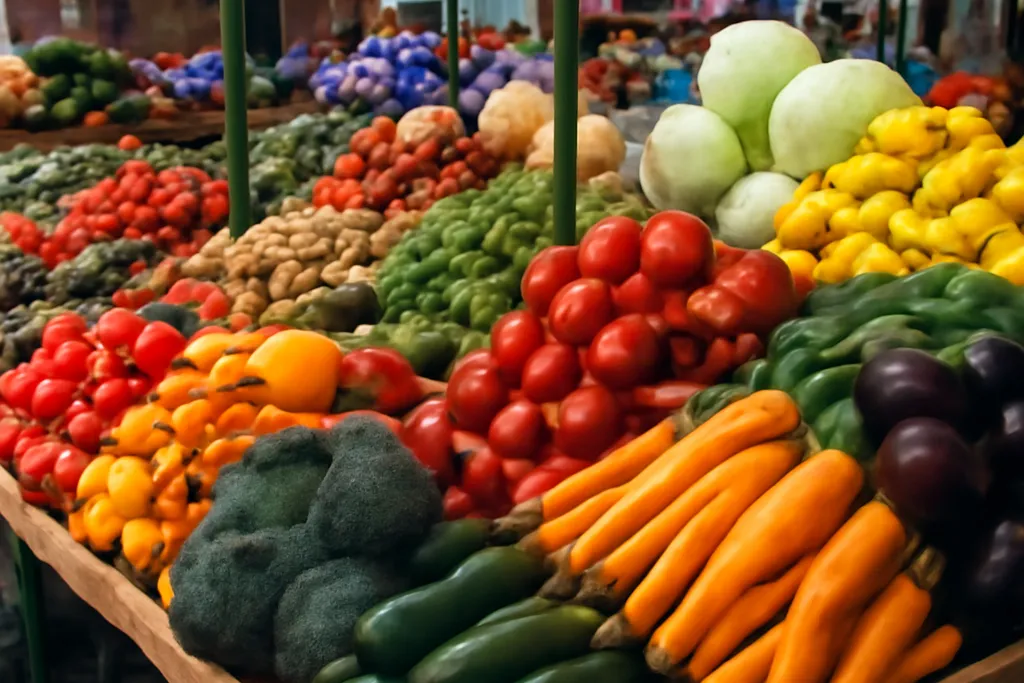
The market itself is loud from early morning: crates of produce stacked against flower stalls, bakery lines spilling onto the sidewalk, and the low rumble of delivery trucks idling on William Street while vendors call out prices to regulars by name. The kitchens along the market’s edge sit close enough to that noise that a cook can walk out mid-service to haggle over a case of strawberries if the price looks off. It is the kind of proximity that shapes how these chefs cook, and it came up again and again over the course of the conversation.
The chefs we spoke with talk about food with the same mix of pride and impatience common to people who have watched a city’s reputation lag behind its reality for too long. They are quick with an opinion, quicker with a recommendation, and entirely unsentimental about the tourist traps they think are actually worth the trip.
Ottawa’s food identity and why the market matters
Question: How would you describe Ottawa’s food identity to a first-time visitor?
Market-area chef: Ottawa sits between French and English Canada, so our food reflects that: hearty Quebec-influenced comfort food alongside multicultural restaurants brought by the public service community. It’s not flashy, but it’s honest and increasingly ambitious. You won’t find the theatrics of some bigger cities, but you will find kitchens that care enormously about where their ingredients came from, because half of us can see the farm from the market stall.
That duality is really the whole story. A visitor can eat tourtière one night and pho the next, both cooked by people who grew up in this city. What people underestimate about Ottawa is that it’s a small capital with a genuinely international population, and the food scene has quietly caught up to that. It’s common for a single dining room to serve a mix of longtime local families and newer arrivals ordering the same comfort-food classics side by side, without either group blinking at sharing a menu built for both of them.
Question: What makes the ByWard Market special for food lovers?
Market-area chef: It’s one of the oldest public markets in Canada, still operating with farm stands right next to restaurants and bars. You can buy maple syrup from a producer in the morning and eat a tasting menu built around that same syrup by dinner. That kind of proximity between grower and kitchen is rare in a downtown this size.
There’s also a rhythm to it that outsiders don’t notice right away. The stalls at the George Street end change almost weekly depending on what a farm outside Kanata or Casselman just brought in, so a dish I put on the menu in June because of one vendor’s strawberries is usually gone by the time the same vendor switches to squash in September.
I’ll list what I think makes the market genuinely different from a typical tourist-district food strip:
- Farm stands operate seasonally, right alongside permanent restaurants, so the market never feels like a museum piece.
- Several kitchens, including mine, source produce directly from vendors a few steps away rather than through a distributor.
- The mix of bars, bakeries, butchers, and sit-down restaurants means the market works for a two-dollar pastry or a proper tasting menu, in the same three blocks.
- It’s walkable to Parliament Hill and the canal, so it naturally becomes a stop on almost every visitor’s itinerary anyway.
Chef’s note: If you only have one meal in Ottawa, have it within sight of the market stalls. You’ll taste the difference between produce that travelled three kilometres and produce that travelled three thousand.
For readers who want the full walkthrough of stalls, vendors, and seasonal produce, we’ve put together the full ByWard Market food culture guide that maps out the market block by block.

BeaverTails and where locals really eat
Question: Is BeaverTails still worth trying, or is it just a tourist trap?
Market-area chef: It’s genuinely a local treat, not just tourist marketing. Locals still line up for it, especially in winter after skating on the canal. The classic cinnamon-sugar version is the one to start with. I know chefs love to be snobby about the obvious stuff, but I’d be lying if I said I didn’t stop for one myself most winters.
There’s a reason it survives generation after generation of Ottawa kids: it’s fried dough, it’s hot, and it tastes best in the cold with numb fingers from skating. Context matters as much as the recipe. I’ve had cooks from Montreal and Toronto visit my kitchen and roll their eyes at the idea, right up until they’ve actually stood in line at the Elgin Street kiosk in February with the wind coming off the canal, and then they understand exactly why it works.
Question: Where do locals actually eat when they want a good meal downtown?
Market-area chef: Away from the main tourist strip, in the side streets around the market and into Centretown. Locals gravitate toward smaller, chef-owned spots rather than chain restaurants. If a restaurant’s patio directly faces the busiest tourist corner, that’s usually a sign to keep walking one more block.
A few patterns I’d point out to anyone trying to eat like a local:
- Look for restaurants without much street-facing signage — many of the best rooms in Centretown are genuinely understated.
- Ask your server what’s on the menu because of the market that week, not what’s been on the menu for years.
- Prioritize places that change their specials seasonally; it’s usually a sign the kitchen is buying fresh rather than from a frozen-goods supplier.
I’d add one more pattern that took me years to notice myself: the best rooms in Centretown tend to change their printed menu less often than their specials board, because the kitchen is deliberately keeping a handful of anchor dishes while rotating everything around them based on what’s actually fresh that week.
Local tip: The busiest patio on a Friday night isn’t necessarily the best kitchen — it’s often just the best real estate. Walk one block further before you commit.
How the seasons rewrite the menu
Question: How does the changing seasons affect Ottawa’s food scene?
Market-area chef: Maple season in early spring brings syrup-focused menus, summer means patio dining and farmers market produce, and winter pushes everyone toward hearty stews, poutine variations, and warm drinks near the Rideau Canal Skateway. Ottawa kitchens really do reinvent themselves four times a year, and it’s not just marketing — it’s what’s actually available at the market that week.
Spring is my favourite to cook for, honestly. The syrup producers bring in fresh product, and suddenly half the specials board is built around it. One of my regular spring dishes is a maple-glazed pork belly with pickled ramps, and it only works because the syrup is days old rather than months old — the flavour is lighter, almost floral, compared to the darker, more caramelized syrup you’d find later in the season. If you want to understand that world properly, we recently spoke with one of the region’s maple syrup producers near Ottawa, and that conversation explains a lot about why chefs here treat syrup as a savoury ingredient, not just a breakfast topping.
Question: What’s an Ottawa food experience visitors often miss?
Market-area chef: The ethnic food corridors outside downtown, particularly Chinatown along Somerset Street and the Vietnamese and Lebanese restaurants scattered through the west end. Visitors who stay only downtown miss a lot of the city’s real diversity. It’s a fifteen-minute bus ride from the market, and it completely changes your impression of what Ottawa eats on a Tuesday night. Some of the most memorable bowls of pho in the city come from long-running, family-owned rooms on Somerset that have been perfecting the same recipe for years, and that kind of quiet consistency can outclass a tasting menu that costs several times as much.
I’d genuinely put a meal on Somerset Street ahead of a second visit to the market strip if someone only has a few days in the city. It’s a different, quieter, and in some ways more honest picture of how the city actually eats.
The neighbourhoods visitors miss, and a plan for a food day
Question: Any advice for travelers on a food-focused day trip?
Market-area chef: Start at the ByWard Market in the morning for coffee and pastries, walk the market stalls before lunch rush, then plan a sit-down dinner reservation in advance since good tables fill up fast on weekends. That order matters more than people think — if you eat a big lunch first, you’ll miss half of what the bakeries and coffee counters are doing at nine in the morning, when the market is at its quietest and the vendors actually have time to talk to you about what they’re selling.
If you’re on a tighter budget, there are still plenty of ways to eat well without a big dinner bill — our piece on budget-friendly ways to eat well in the city covers a few of those angles beyond just the market stalls. A lot of visitors assume a market district automatically means expensive tourist pricing, but the stalls themselves are often cheaper than the sit-down restaurants around them, especially if you’re building a meal out of a few different vendors rather than one full restaurant tab.
Question: What’s one dish every visitor should try before leaving Ottawa?
Market-area chef: A proper poutine from a market vendor, ideally eaten outside, even in winter. It’s simple, but it captures something true about the city’s approach to food: unpretentious and satisfying. It’s also worth pairing that meal with a walk along the canal — if you time your trip right, you can go from skating on the Rideau Canal Skateway straight to a hot plate of curds and gravy, and that combination is about as Ottawa as it gets. Visitors often order it expecting something fancy and then realize halfway through that the appeal was never sophistication, it was heat, salt, and squeak, delivered exactly when your hands are still cold from the ice.
People sometimes ask me to recommend a fancier alternative, and honestly, I don’t have one. Poutine done well is technically difficult — the curds have to be fresh enough to squeak, the gravy has to be made properly rather than poured from a bag, and the fries need to hold their structure under all that sauce without turning to mush. A market vendor who’s been doing it for fifteen years usually beats a restaurant kitchen trying to reinvent it, simply because they’ve had the repetition to get the ratios right.
For travelers building out a wider Canadian itinerary around food, our colleagues at voyage-canada.com put together food-focused travel itineraries across Canada that pair well with a stop in the capital, and readers looking further afield might enjoy the curated culinary circuits in the region put together by timetours-voyages.fr.
ByWard Market at a glance
| Item | Detail |
|---|---|
| Best time for market visit | Morning, before lunch rush |
| Signature treat | BeaverTails, classic cinnamon-sugar |
| Local dish to try | Poutine from a market vendor |
| Hidden food corridor | Chinatown, Somerset Street |
| Booking advice | Reserve weekend dinners in advance |
Frequently asked questions
What is the ByWard Market known for? It is one of Canada’s oldest and largest public markets, combining farm stands, restaurants, bars, and specialty food shops in Ottawa’s downtown core.
Is BeaverTails a must-try in Ottawa? Yes, it remains a genuinely popular local treat, especially in winter after skating on the Rideau Canal Skateway, not merely a tourist gimmick.
Where do Ottawa locals eat away from tourist areas? Many locals favor smaller chef-owned restaurants in Centretown and ethnic food corridors like Chinatown on Somerset Street rather than the main tourist strip.
Does Ottawa’s food scene change with the seasons? Yes, maple season brings syrup-themed menus in spring, summer favors patio dining with market produce, and winter emphasizes hearty comfort food near the canal.
Should I book restaurant reservations in advance in Ottawa? Yes, especially for weekend dinners at popular ByWard Market restaurants, since good tables can fill quickly.
Talking with these market-area chefs, what comes through most is a kind of quiet confidence: Ottawa’s food scene doesn’t need to shout to be worth a detour. It just needs visitors willing to walk one more block past the obvious stop, order the dish that isn’t on the postcard, and time their trip to whatever the market happens to be selling that week. That, more than any single restaurant, is the real recipe for eating well in the capital.
By the time these conversations wrapped up, the lunch rush had already started filtering into each dining room, and the cooks were back at the pass before the last question had fully landed. It’s a fitting way to end a conversation about a food scene built on proximity and timing rather than spectacle: the best version of Ottawa’s table is rarely the one that’s been dressed up for a photograph. It’s the one still being cooked, a few steps from where the ingredients were grown, by people who have spent years learning exactly when the market’s produce is at its best.
Frequently asked
It is one of Canada's oldest and largest public markets, combining farm stands, restaurants, bars, and specialty food shops in Ottawa's downtown core.
Yes, it remains a genuinely popular local treat, especially in winter after skating on the Rideau Canal Skateway, not merely a tourist gimmick.
Many locals favor smaller chef-owned restaurants in Centretown and ethnic food corridors like Chinatown on Somerset Street rather than the main tourist strip.
Yes, maple season brings syrup-themed menus in spring, summer favors patio dining with market produce, and winter emphasizes hearty comfort food near the canal.
Yes, especially for weekend dinners at popular ByWard Market restaurants, since good tables can fill quickly.