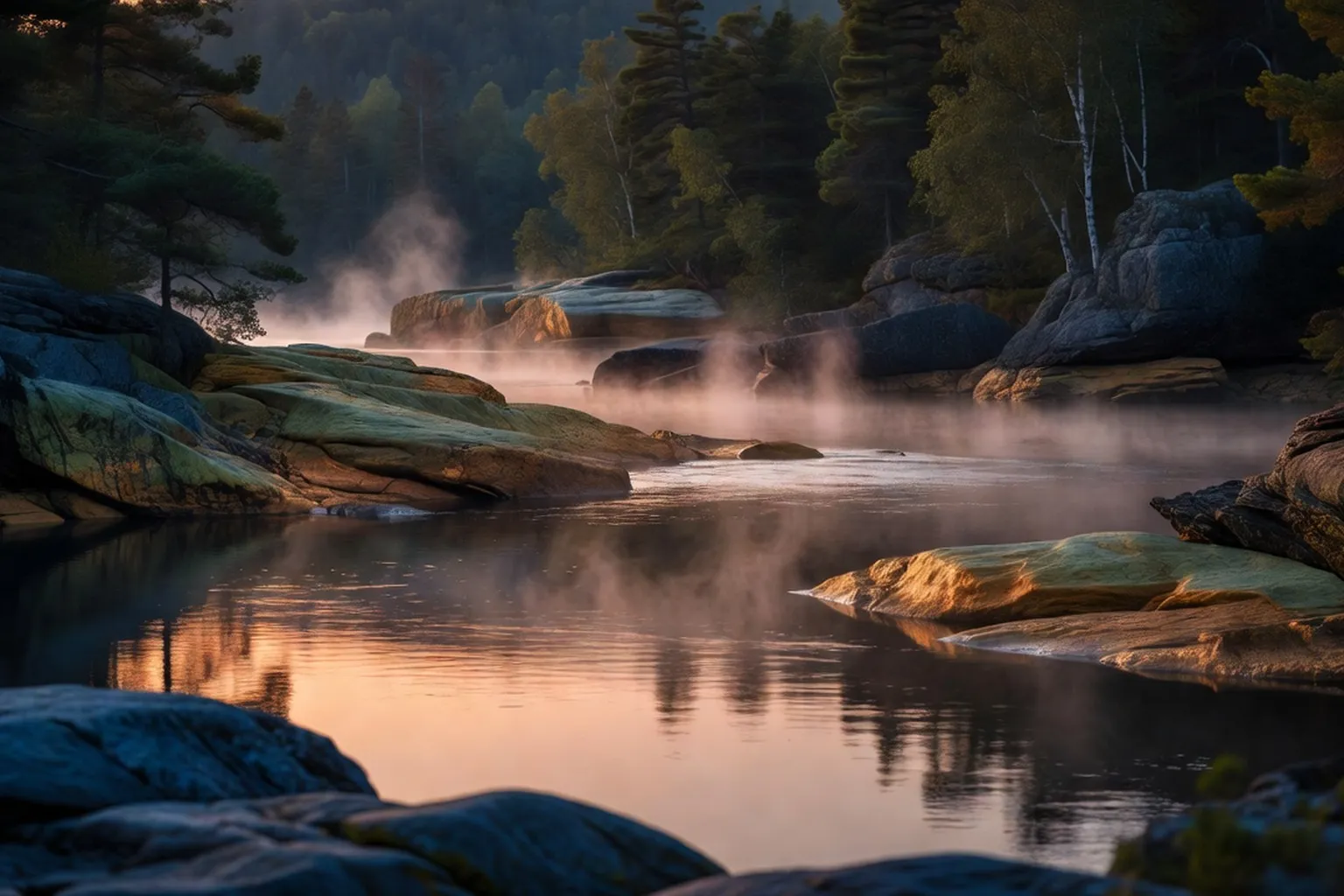
Ottawa, Canada’s capital city, is a vibrant mosaic of history, culture, and natural beauty. Among its many attractions, interpretive walks led by Indigenous heritage guides offer a unique window into the Algonquin Anishinabe’s rich heritage. Guides drawn from the local community dedicate years to sharing the stories and traditions of their people with visitors from around the world. Their deep connection to the land makes them an invaluable resource for understanding the cultural landscape of the Ottawa region. For this piece, we spoke with a member of the Kitigan Zibi Anishinabeg First Nation who works in heritage interpretation, on a cool autumn morning, surrounded by the golden hues of the changing leaves, to discuss this work and the significance of the Algonquin lands.
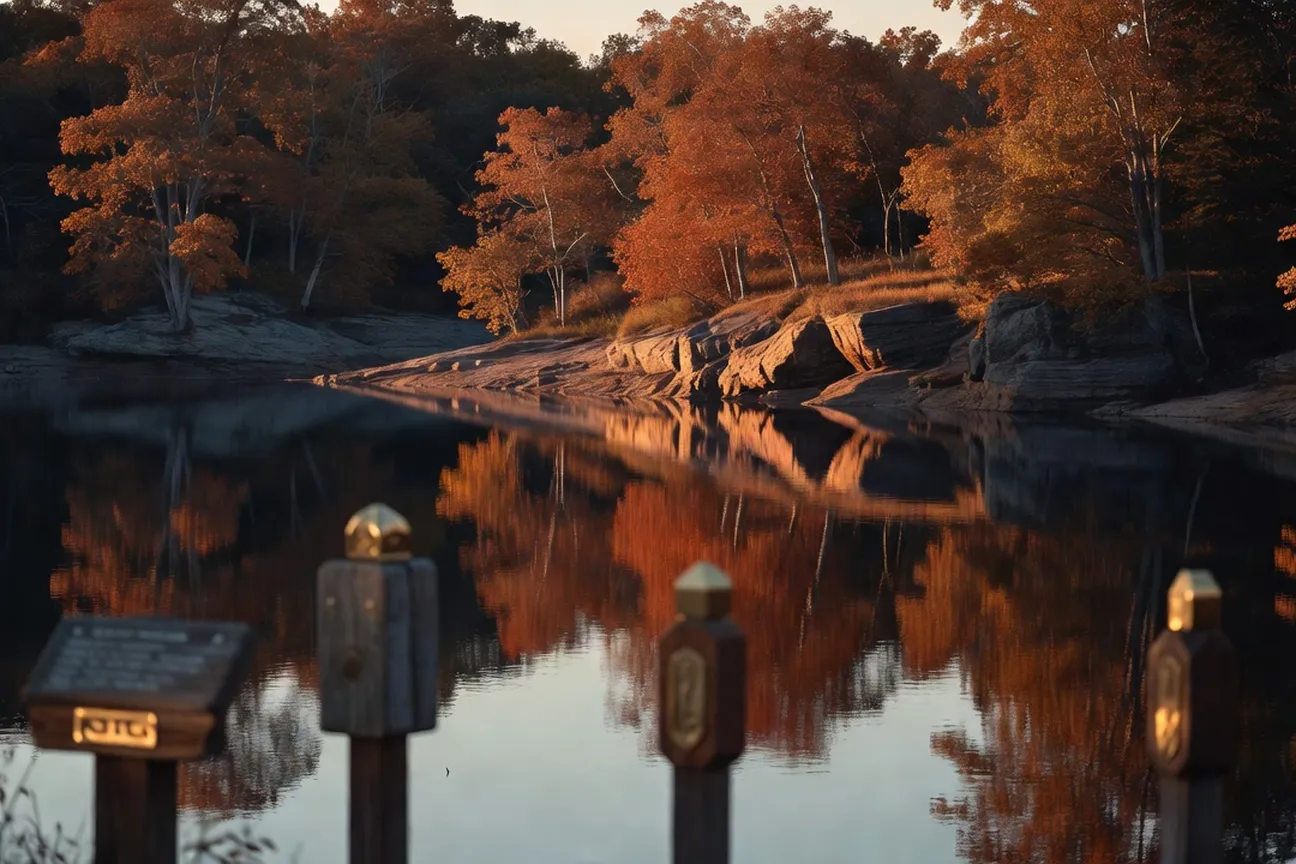
Our conversation took place along the banks of the Ottawa River, a site of immense historical importance for the Algonquin Anishinabe. This setting, with its tranquil waters and whispering winds, provided the perfect backdrop for an exploration of the cultural narratives that have shaped the region. Our guide, a member of the Kitigan Zibi Anishinabeg First Nation involved in heritage interpretation work, shared her insights with a calm yet passionate demeanour, revealing the layers of history embedded in the landscapes we often overlook.
Meet the guide: years on the land
Question: How did you start doing heritage interpretation work focused on Algonquin Anishinabe traditions?
Guide: I was drawn to this work because of my connection to the land and the stories of my ancestors. Over time, this has evolved into a mission to educate others about our traditions and cultural history. Each walk is an opportunity to share knowledge that has been passed down through generations, from the medicinal uses of local plants to the historical significance of specific sites. Interest in these walks has grown steadily over the years. Costs and exact tour lengths vary by operator and season, so I’d always point visitors to check directly with whichever community centre or guide they’re booking with.
| Quick facts | Detail |
|---|---|
| Guide | A member of the Kitigan Zibi Anishinabeg First Nation, heritage interpretation |
| Focus | Interpretive walks on Algonquin Anishinabe history and traditions |
| Season | Generally spring through fall; check with individual operators for exact dates |
| Typical cost | Varies by operator — confirm current pricing directly before booking |
| Duration | Typically a couple of hours, varies by walk |
| Booking | Contact the relevant community cultural centre or tour operator directly for booking policy |
Interpretive guiding is not just about leading a walk; it’s about fostering understanding and respect. Guides who do this work are custodians of their people’s stories, bringing them to life for each visitor.
Question: What challenges have you encountered in this role, and how have you overcome them?
Guide: One of the main challenges has been the misconceptions and lack of awareness about Indigenous cultures. Many visitors arrive with preconceived notions, often shaped by stereotypes. Overcoming these involves patience and education. I focus on creating an immersive experience that allows visitors to see beyond the surface. This includes using visual aids like traditional crafts and tools, such as birchbark canoes and snowshoes, which help illustrate our people’s ingenuity and relationship with the environment. Guides in this line of work also often collaborate with local schools and community groups to offer educational workshops, ensuring that younger generations carry forward an informed perspective.
This approach is both practical and deeply personal. By integrating tangible elements of Algonquin Anishinabe culture into a tour, a guide bridges the gap between past and present, fostering a dialogue that encourages empathy and understanding. The work is not only about sharing knowledge but also about building connections and inspiring a deeper appreciation for the land and its stories.
What Ottawa means in the Algonquin language
Question: Can you tell us about the Algonquin roots of the name ‘Ottawa’ and its significance?
Guide: The name ‘Ottawa’ is derived from the Algonquin word ‘Odawa,’ which means ‘to trade.’ This highlights the region’s historical role as a major trade hub for Indigenous peoples long before European settlers arrived. The Ottawa River was a vital artery for the exchange of goods, ideas, and cultures among the various Indigenous nations. It was part of an extensive network of waterways that facilitated trade from the Great Lakes to the Atlantic Ocean. Understanding this context is crucial because it shows how the land we now call Ottawa has always been a place of convergence and exchange.
This explanation provides a profound insight into the historical and cultural importance of the region. The trade routes were not just economic pathways but also conduits for cultural exchange and cooperation among Indigenous communities. This legacy continues to influence the identity of Ottawa today, as seen in its diverse cultural landscape and vibrant arts scene.
Question: How do guides incorporate this aspect of Ottawa’s history into interpretive walks?
Guide: We incorporate this history through storytelling and by visiting key sites along the river that were integral to the trade network. For instance, walks often begin near the Parliament Hill heritage site, which overlooks the river and provides an excellent vantage point for discussing its historical significance. As we walk, I share stories of the trade alliances and conflicts that shaped the region. We also discuss the environmental changes over the centuries, emphasizing the resilience and adaptability of the Algonquin Anishinabe people. These stories are complemented by traditional songs and drumming on some walks, which add an auditory dimension to the experience, helping visitors connect more deeply with the history being shared.
Through these walks, visitors gain a nuanced understanding of Ottawa’s Indigenous roots. By blending historical narratives with sensory experiences, a good guide creates a memorable journey that enriches one’s appreciation of the city and its surroundings. Visitors are encouraged to reflect on how these past interactions have shaped the modern cultural tapestry of Ottawa.
The rivers and the trade-route memory
Question: How important were the rivers to the Algonquin Anishinabe trade routes, and what role do they play in your tours?
Guide: The rivers were absolutely central to our trade routes. They were the highways of our ancestors, facilitating movement and interaction across vast distances. The Ottawa River, in particular, was a critical link in the network connecting various Indigenous nations. It allowed for the transportation of goods such as furs, copper, and foodstuffs, as well as cultural exchanges. During a tour, guides often spend considerable time along the riverbanks, explaining how these waterways were navigated using birchbark canoes, which were perfectly adapted for the shallow, fast-flowing waters of the region. Some operators keep replica canoes on hand, used to demonstrate traditional paddling techniques and construction methods.
Good to know: Where birchbark canoe replicas are used on a tour, they are typically working demonstrations rather than museum pieces, and visitors may be invited to examine the construction up close — confirm this with your specific operator.
The focus on rivers underscores their enduring significance in the cultural memory of the Algonquin Anishinabe. The rivers are not just geographical features but are woven into the spiritual and cultural fabric of this people. Highlighting these connections offers visitors a deeper understanding of the land and its historical narratives.
Question: What feedback do guides typically hear from visitors after a river-focused walk?
Guide: The feedback tends to be very positive. Many visitors express a newfound appreciation for the depth of history embedded in the landscapes they thought they knew. They often mention how the stories and demonstrations helped them see the Ottawa River not just as a body of water but as a living testament to our people’s resilience and ingenuity. Some visitors return for multiple tours, eager to learn more and bring their families along, which speaks to the growing interest in this kind of cultural exchange.
The enthusiasm for these tours highlights the growing interest in Indigenous heritage and the desire for authentic cultural experiences. This kind of guiding not only educates but also fosters a deeper sense of connection to the land and its stories, enriching the tapestry of things to do in Ottawa. As visitors continue to seek meaningful engagements with Canada’s history, heritage guides play a crucial role in bridging past and present, offering insights that resonate long after the tour has ended.
Sacred sites visitors can respectfully see
Question: What are some sacred sites on Algonquin Anishinabe land that visitors are allowed to see respectfully?
Guide: Visitors to the Ottawa region are privileged to be able to visit several sacred sites, provided they approach these places with the appropriate respect and understanding. One such site is the Chaudière Falls, known as Akikodjiwan in the Algonquin language. This site has been a spiritual meeting place for the Anishinabe people for thousands of years. The falls are not just a natural wonder but a crucial part of our cultural heritage, representing the ongoing flow of life and the interconnectedness of all things. Visitors can view the falls from the public access points, but it’s important to remember that this is a place of deep spiritual significance. While visiting, silence and reflection are encouraged to honour the site’s sacredness.
Another significant site is the Pikwakanagan First Nation, located near Golden Lake. Visitors can arrange guided tours to learn about traditional practices and the history of the Algonquin people. The community hosts events such as an annual Pow Wow, which provides an opportunity to experience the culture through music, dance, and storytelling — visitors should check current dates directly with the community, as they vary from year to year. It’s crucial for visitors to engage with these opportunities respectfully and to follow the guidance of their hosts, ensuring their presence is one of learning and appreciation.
In addition to these, the Kitigan Zibi community itself offers guided heritage walks that include visits to sacred sites. The guides, often community members, share stories and insights into their traditions and the significance of each location. It’s a unique chance to connect with the land and its people through guided experiences that are both educational and respectful.
Question: How can visitors ensure they are being respectful when visiting these sites?
Guide: Respectful visitation begins with understanding and mindfulness. Visitors should research and educate themselves about the cultural significance of the sites they plan to visit. This preparation helps in appreciating the context and the living history of these places. It’s also essential to adhere to any guidelines provided by the community or site managers. For instance, certain areas may be off-limits, or there might be specific practices to observe, such as removing shoes or maintaining silence.
Moreover, engaging with local guides or participating in organised tours can greatly enhance the experience. Guides provide invaluable insights and help ensure that visitors do not inadvertently disrespect cultural protocols. During an interpretive walk, guides typically discuss the history and significance of each site, and encourage questions in a respectful dialogue. This approach not only enriches the visitor’s understanding but also supports the community by recognising their role as custodians of these stories and places.
Respectful visitation begins with understanding and mindfulness — a principle guides in this field return to again and again when describing what they ask of visitors:
- Research the cultural significance of a site before arriving
- Follow any posted or guide-communicated protocols, including footwear and silence
- Join an organised tour rather than visiting sacred sites alone
- Ask before leaving an offering or taking photographs
- Treat the site as a living cultural space, not a historical ruin
Insider tip: If you only have time for one sacred site, Chaudière Falls (Akikodjiwan) is a strong choice — it is publicly accessible and pairs naturally with a Parliament Hill visit.
For travellers who combine Indigenous cultural visits with a broader eco-tourism approach, eco-volunteering programmes in East Africa — Kenya and Tanzania — reviewed by VeryGreenTrip — offer similar opportunities to support local communities and conservation efforts through meaningful, hands-on engagement.

Mistakes well-meaning visitors keep making
Question: What are some common mistakes that well-meaning visitors often make when visiting these heritage sites?
Guide: One of the most frequent mistakes is treating these sites as mere tourist attractions without acknowledging their sacredness. This often manifests in behaviours such as loud conversations, littering, or taking inappropriate photographs. For sacred sites like Akikodjiwan, it’s imperative to approach them with the same reverence one would show in a religious ceremony. Visitors should be conscious of their noise level and physical presence, ensuring they do not disturb the natural and spiritual ambiance.
Another mistake is visiting sites without permission or guidance. Some areas are on private or protected land, and entering without consent can be seen as an intrusion. It’s always best to seek permission or join an organised tour. This not only respects the sovereignty of the Indigenous communities but also ensures visitors receive accurate and meaningful information about the site’s significance.
Additionally, visitors sometimes bring offerings or leave items at sacred sites without understanding their cultural implications. While the intention might be to show respect, such actions can be inappropriate if not aligned with the community’s traditions. It’s always best to ask a local guide or community member about appropriate ways to show respect or appreciation.
Question: Are there any misconceptions that visitors have about the Algonquin Anishinabe cultural sites?
The mistakes guides in this field most often see among otherwise well-meaning visitors:
- Treating sacred sites as photo opportunities rather than living cultural spaces
- Entering private or protected land without permission or a guide
- Leaving offerings or objects without asking whether the gesture is appropriate
- Assuming a site is purely historical rather than part of an ongoing tradition
- Bringing picnic or recreational activities to spaces meant for reflection
Guide: Absolutely, there are several misconceptions. A common one is the belief that all cultural sites are ancient relics of the past. In reality, these places are part of a living culture and hold ongoing significance for the Algonquin Anishinabe people today. Visitors often overlook the fact that these sites are not just historical but are integral to our current cultural practices and community life.
Another misconception is that these sites are open to all activities. It’s crucial for visitors to realise that certain actions, such as picnicking or recreational activities, may not be appropriate. These sites are primarily for cultural and spiritual purposes, and activities should align with respect for their intended use.
To counter these misconceptions, visitors are encouraged to engage directly with the relevant First Nation communities and cultural centres in the region, who can point to accurate, up-to-date educational resources on the living traditions and contemporary realities of the Algonquin Anishinabe people.
Practical: when to walk, how to book
Question: When is the best time for visitors to participate in an Algonquin Anishinabe interpretive walk?
Guide: Interpretive walks may be offered across different seasons depending on the operator, but the best time really depends on what visitors wish to experience. Spring and fall are particularly beautiful, with the changing foliage and moderate temperatures providing a comfortable and visually stunning backdrop for a walk. Springtime highlights include seeing the awakening of the land and the traditional practices associated with this season. In fall, the vibrant colours of the trees offer a breathtaking view, making it a favourite time for many visitors.
Summer is also popular, especially for those interested in participating in community events and gatherings that may coincide with their visit. However, it’s essential for visitors to be prepared for the heat by bringing water and wearing appropriate sun protection. Where winter walks are offered, they provide a unique perspective, with the quiet, snow-laden landscapes providing a serene and introspective experience. Visitors should dress warmly and be prepared for the cold conditions.
Question: How can visitors go about booking these walks, and what should they expect in terms of cost and preparation?
Guide: Booking policies vary by operator, so the most reliable approach is to contact the relevant community cultural centre or tour operator directly to confirm availability, cost, and how far in advance you need to book — this is especially worth doing during peak seasons. Group sizes are often limited to enhance the experience and minimise environmental impact.
Pricing for interpretive walks is not standardised across the region, so visitors should always confirm current rates and what they include directly with the operator rather than assuming a fixed cost. Visitors should come prepared with comfortable walking shoes, appropriate clothing for the weather, and a respectful attitude ready to engage with the cultural narratives shared.
In preparation, reading up on the Parliament Hill heritage and Rideau Canal UNESCO guide can provide additional context about the Ottawa region’s broader historical landscape.
| Season | Best for | What to bring |
|---|---|---|
| Spring | Watching the land awaken, seasonal traditions | Layers, waterproof footwear |
| Summer | Community events and gatherings | Water, sun hat, sunscreen |
| Fall | Foliage colour, most popular walking season | Warm layers, comfortable boots |
| Winter | Quiet, reflective snow-covered landscapes (where offered) | Insulated coat, gloves, warm boots |
Before you go: Contact the operator well ahead of your visit, especially in peak season, and confirm whether your walk requires advance permission to enter community land.
This conversation revealed much about Ottawa beyond its urban landscape. The city is a gateway to understanding the rich tapestry of Indigenous cultures that have shaped the land for millennia. Through this guide’s insights, visitors can appreciate the deeper connections that exist between the natural environment and cultural heritage.
The guidance shared here is a reminder that Ottawa is not just a city of government and museums but also a place where ancient traditions and modern life intersect. By approaching these sacred sites with respect and a willingness to learn, visitors can experience an Ottawa that speaks to its Indigenous past and present, offering a richer, more nuanced understanding of Canada’s capital.
Frequently asked
Interpretive walks on Algonquin Anishinabe land are typically led by members of the local Indigenous community with deep, lived knowledge of the region's history and traditions. A knowledgeable guide offers insight into the history and traditions of the Algonquin Anishinabe people, making them a valuable resource for anyone interested in understanding the Indigenous heritage of the region.
Visitors can expect to learn about the history, cultural practices, and spiritual significance of the Algonquin Anishinabe land. Guides typically share stories and knowledge passed down through generations, offering a deeper understanding of the land and its people.
Interpretive walks in the Ottawa region typically run a couple of hours, though exact duration varies by operator. Pricing is not standardised across operators, so visitors should confirm current rates directly with the tour provider or community centre they plan to book with rather than relying on a fixed figure.
Many interpretive walks run seasonally, roughly from spring through fall, though some operators offer year-round options. Availability and booking policies vary by operator, so visitors should check directly with the specific community centre, cultural organisation, or tour operator they intend to book with for current schedules and booking requirements.
Participants are advised to wear comfortable walking shoes and weather-appropriate clothing. Bringing a water bottle, sunscreen, and a hat is also recommended to ensure a comfortable experience during the tour.