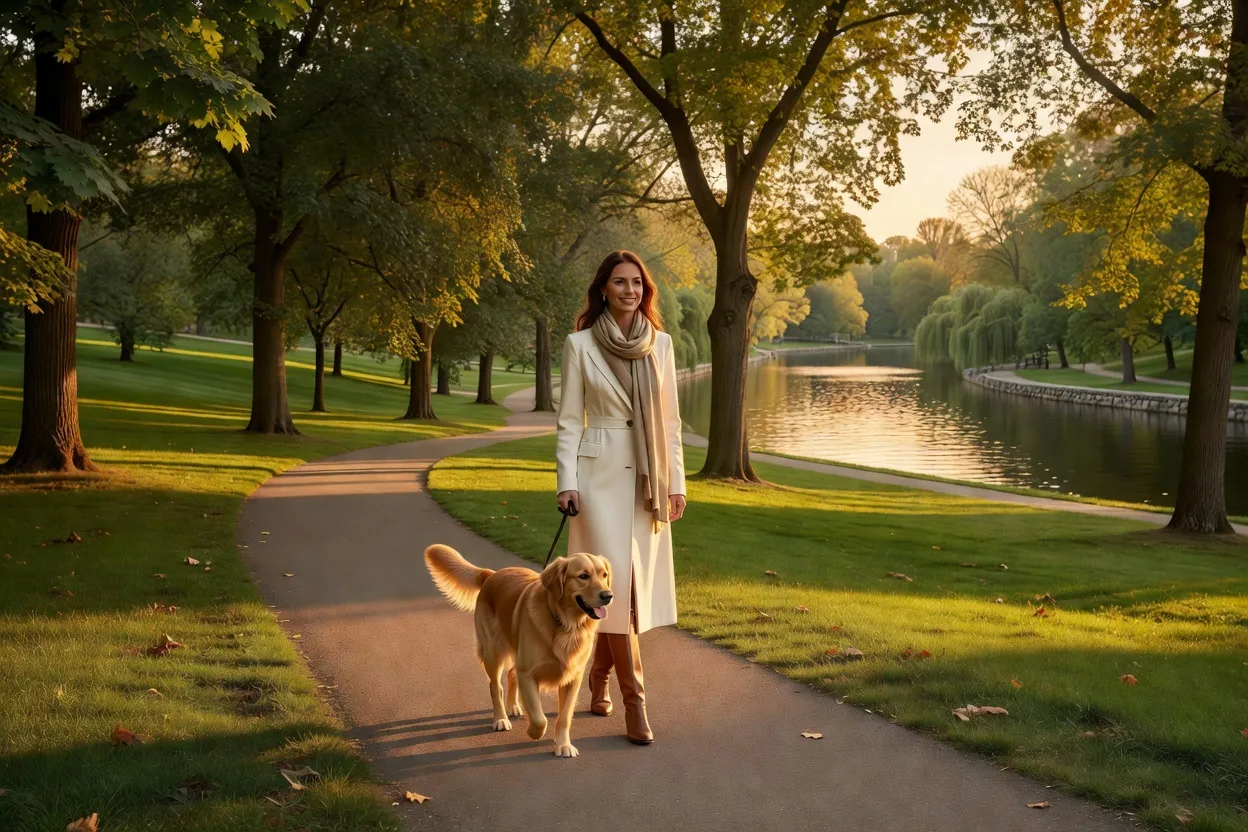
In Ottawa, dogs must remain on a leash in city parks except at the limited number of designated off-leash zones established by the municipality, and the same restriction applies by default on National Capital Commission pathways, which means visitors need to locate those specific areas first and confirm current boundaries before any visit.
Designated Off-Leash Parks
The City of Ottawa maintains a short roster of fenced or clearly marked off-leash zones where dogs can exercise without restraint during posted hours. These zones sit inside larger parks that otherwise require leashes on all other trails and open grass. Users must clean up waste immediately and keep dogs under voice control so they do not approach other visitors uninvited. Hours often run from dawn until dusk, yet some sites close seasonally for maintenance or wildlife protection; checking the municipal website the day before travel prevents an unnecessary walk to a locked gate. Water stations and waste-bag dispensers appear at the main entrances, though bringing an extra roll remains prudent on busy weekends.

Leash Requirements on Pathways
National Capital Commission pathways that run along the Ottawa River and through central green spaces enforce a continuous leash rule outside the few off-leash pockets. The standard six-foot leash length keeps dogs from wandering onto adjacent roads or disturbing nesting birds along the shoreline. Early morning and late evening see lighter foot traffic, which reduces the chance of repeated stops to untangle leashes. Cyclists share these routes, so keeping the dog on the right side of the path and yielding at intersections maintains safety for everyone. In winter the same rules apply, though packed snow can make footing uneven and increases the value of a reflective collar or light.
Gatineau Park Access
Gatineau Park trails across the Ottawa River generally require dogs to stay leashed, with additional seasonal closures on certain sections to protect deer wintering yards or fragile wetlands. Before crossing the bridge, review the current trail map because restrictions can shift after heavy rain or during controlled burns. Parking lots fill quickly on summer weekends, so arriving before 9 a.m. leaves more time to reach quieter loops that still allow dogs. Carry water for both dog and handler because many secondary trails lack fountains. Waste must be packed out; no bins exist on the longer interior routes.
For visitors planning an extended stay, the Gatineau Park year-round conditions page supplies updated closure notices that affect dog access.
Patio Access Rules
Many outdoor patios in Ottawa permit leashed dogs during warmer months, yet each establishment sets its own policy and may restrict dogs to certain tables or hours. Calling ahead avoids the disappointment of being turned away at the door during peak lunch service. Staff usually provide a water bowl on request, but bringing a collapsible dish ensures the dog stays hydrated while waiting for food. In practice, quieter side-street locations tend to accommodate dogs more readily than busy tourist corridors, where space between tables is limited. Rainy days can change the layout when awnings close in, so an indoor backup plan helps.

Canal and Waterfront Walks
The Rideau Canal corridor offers flat, paved routes suitable for dogs of varying fitness levels, provided they remain leashed at all times. Benches spaced at regular intervals allow brief rests, and nearby lawns provide short off-path stretches where the dog can sniff without blocking pedestrian flow. During the winter months the frozen surface becomes a multi-use trail, yet ice traction devices for both boots and paws become necessary once temperatures drop below freezing. Spring flooding can submerge lower sections, so checking water levels before setting out prevents an abrupt turnaround.
The Rideau Canal UNESCO guide outlines seasonal surface conditions that influence safe walking distances with a dog.
Finding Dog-Friendly Lodging
When selecting accommodation, confirm the property’s pet fee structure and any weight or breed restrictions in advance. Properties near major pathways reduce the distance that must be walked before the dog can relieve itself in the morning. Some buildings supply waste stations in adjacent courtyards, while others expect guests to use public bins on the street. Noise policies matter because thin walls can turn a restless dog into a complaint for neighbouring rooms. The where to stay in Ottawa section details neighbourhood layouts that place green space within a short walk of most hotel clusters.
Day Trips and Further Exploration
Short drives from central Ottawa reach additional trail networks where dogs remain welcome on leash. Packing a vehicle kit that includes a spare leash, towel for muddy paws, and printed vaccination records prevents last-minute scrambles at trailheads. One practical scenario involves a half-day loop that begins at a riverside parking area, follows a maintained path for two kilometres, then returns via a parallel route to avoid repetition. A second scenario occurs when crossing the border: travellers arriving from the United States must present a valid rabies vaccination certificate at the port of entry, and the same document may be requested upon re-entry to the US, so storing a digital copy on a phone alongside the paper original avoids delays.
Further route ideas appear in the outdoor adventures near Ottawa hiking and paddling overview.
Tip: Confirm any patio’s dog policy by phone before arriving, especially during peak lunch service, since rules vary establishment by establishment.
Practical Supply Checklist
- Collapsible water bowl and two litres of water per dog for any outing longer than ninety minutes
- Waste bags, a spare six-foot leash, and a small first-aid kit containing tweezers for ticks and gauze for minor cuts
- Printed copy of vaccination records for any international travel segment
Border Documentation Summary
| Traveller Type | Required Document | Notes |
|---|---|---|
| US to Canada | Rabies vaccination certificate | Must be issued by a licensed veterinarian |
| Canada to US | Same certificate | Keep digital and paper copies accessible |
| Overseas arrival | Additional health certificate | Check Canadian Food Inspection Agency requirements |
Reading the Room at Off-Leash Zones
Off-leash areas bring together dogs of very different temperaments, sizes, and training levels, so a few minutes of observation from the gate before entering helps avoid conflict. Handlers typically keep a close eye on their dog’s body language and recall reliability before releasing the leash, since the shared space works best when every dog can be called back promptly if a disagreement starts. Smaller or reactive dogs sometimes benefit from visiting during quieter mid-morning or mid-afternoon windows rather than the after-work rush, when the number of dogs on site increases sharply. Toys and treats brought from home can trigger resource-guarding between unfamiliar dogs, so many regular visitors leave these items in a bag rather than in hand once inside the zone. Fresh water is not guaranteed at every site, particularly in smaller or newer zones, so carrying a bowl remains the safer default even where a fountain is marked on a map.
Seasonal Differences for Dog Owners
Ottawa’s seasonal extremes change what a dog-friendly outing actually requires. Summer heat makes early morning or evening the more comfortable windows for both dog and handler, since pavement and unshaded trail sections can become uncomfortably warm for paws by midday; carrying extra water becomes essential rather than optional on the hottest days. Autumn brings ideal walking conditions on most pathways but also hunting season considerations near some Gatineau Park trail sections, where seasonal signage should be checked before heading into less-travelled areas. Winter changes the calculus again: road salt used on city sidewalks can irritate paw pads, leading many visitors to use protective wax or booties on longer outings, and shorter daylight hours mean planning walks earlier in the afternoon. Spring thaw creates its own hazard in the form of temporarily flooded low-lying trail sections along the canal and riverfront, which can catch first-time visitors off guard if they are used to the same route being dry in other seasons.
A Sample Half-Day Itinerary with a Dog
One workable half-day plan starts with breakfast at accommodation, followed by an off-leash session at a designated park zone before the midday heat or crowds build. From there, a leashed walk along a canal-adjacent pathway offers a change of scenery and a chance to stop at benches for both dog and handler to rest. Lunch works best at an outdoor patio confirmed in advance to allow dogs, ideally on a quieter side street rather than the busiest tourist block. The afternoon can shift toward a slower loop through a park with shade, saving the more strenuous Gatineau Park trails for a day when the dog is well-rested and the handler has budgeted extra time for the drive and the climb back from lower trail sections. Building in a buffer of thirty to forty-five minutes between each stop for the dog to settle, drink water, and rest tends to make the day noticeably smoother than a tightly scheduled itinerary designed as if travelling without a pet.
Frequently asked
City animal-control bylaws allow officers to issue fines for leash violations, with the exact amount set by current municipal bylaw schedules -- check the City of Ottawa's animal care and control page for the current fine structure before assuming an amount.
No municipal rules single out particular breeds; enforcement focuses on behaviour and leash compliance regardless of size or type.
Service animals are permitted under federal accessibility rules, but pets are generally excluded from indoor public spaces.
Rabies vaccination certificates need to be current and valid according to the vaccine's labelled duration, so check the expiry date with your veterinarian before travel; travellers crossing frequently often keep scanned copies ready on a mobile device as a backup to the paper original.
The leash requirement remains in force year-round, though ice and reduced daylight increase the importance of reflective gear and shorter outing lengths.