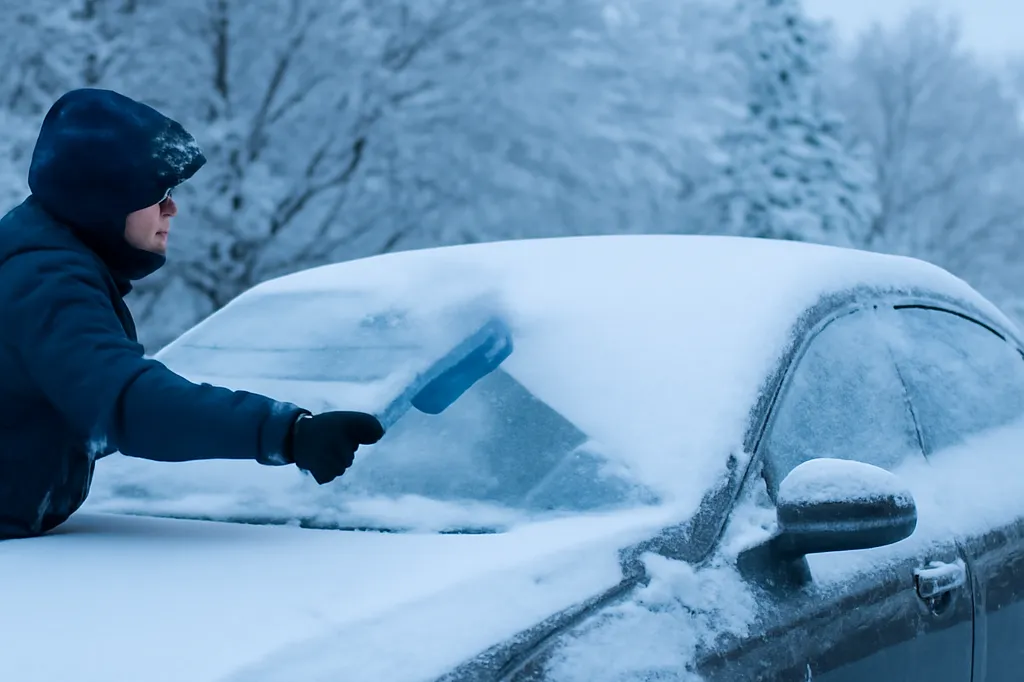
If you are driving in Ottawa in winter, plan for slower journeys, use a properly equipped vehicle, and treat snow, ice and visibility as daily variables rather than exceptions. Winter tires, a charged battery, a clear roof and windows, extra stopping distance, and careful parking habits matter more than confidence behind the wheel. Check the forecast and road conditions before leaving, avoid unnecessary travel during severe snow squalls, and never assume a familiar-looking road is safe at normal speeds.
Driving can still be a practical way to reach suburban attractions, visit relatives, carry winter gear, or explore beyond the central city. For the wider decision about whether a car suits your trip, see our Ottawa with a car vs. without guide. Once you have decided to drive, however, Ottawa winter conditions deserve their own plan.
Start with the right vehicle and winter tires
Ottawa has cold winters, regular snowfall, freezing rain, slush, and periods of hard-packed snow or polished ice at intersections. A rental car or personal vehicle may be legally drivable without winter tires in Ontario, but that is not the same as being well prepared.
Ontario does not have a province-wide mandatory winter tire law like Quebec does. Winter tires are nonetheless strongly recommended for Ottawa’s snowy and icy winter conditions. Their rubber remains more flexible in cold temperatures, and their tread is designed to grip snow and ice more effectively than all-season tires. They help with braking and steering, not just starting from a stop.
If you are renting a car, ask clearly whether winter tires are fitted. Do not assume they are included simply because you are renting in Canada in January or February. Ask whether the vehicle has four winter tires, not a mix of tire types, and inspect them before leaving the lot if possible.
A few useful vehicle checks before a winter drive:
- Confirm the windshield washer fluid is rated for freezing temperatures and the reservoir is full.
- Test the heater, front and rear defrosters, wipers, headlights, brake lights, and hazard lights.
- Make sure the fuel tank is not close to empty; keeping a reasonable amount of fuel gives you flexibility if traffic slows or conditions worsen.
- Locate the ice scraper, snow brush, spare tire equipment, and emergency roadside contact information.
- Check that your phone is charged and bring a vehicle charger if you have one.
- If driving your own car, test the battery before a winter trip, especially if it is older or has shown slow starts.
All-wheel drive can improve traction when accelerating, but it does not shorten braking distance on ice. A large SUV can lose grip just as easily as a compact car if it is travelling too quickly for conditions. The best winter safety equipment is still a cautious driver with suitable tires.
Understand cold starts, batteries, and block heaters
Visitors from milder climates are often surprised by how cold affects a parked car. In very low temperatures, engine oil thickens, batteries provide less available power, and a car may take longer to start. This is why engine block heaters are common in Ottawa.
A block heater is an electrical heating device connected to the engine. It keeps part of the engine warmer while the car is parked, making cold starts easier and reducing strain on the battery and engine. Many outdoor parking lots and some hotel parking areas have block-heater outlets. You may see rows of electrical receptacles near parking spaces, particularly at accommodations, workplaces, and winter-oriented facilities.
If your vehicle has a block-heater cord, ask your hotel or host whether an outlet is available and whether there are any parking rules for using it. Do not use a damaged extension cord or run a cord where it could create a trip hazard. A rental vehicle may or may not be equipped with a block heater, so ask at pickup if temperatures are expected to be especially low.
Scenario: an overnight cold snap. You park outside after dinner and the temperature drops sharply overnight. In the morning, the vehicle cranks slowly and does not start immediately. Rather than repeatedly turning the key or running down the battery, pause and consult the rental company’s roadside instructions. If a block-heater outlet was available, using it before the morning departure could have made the start easier. This is also a reminder not to leave lights, chargers, or accessories running when the engine is off.
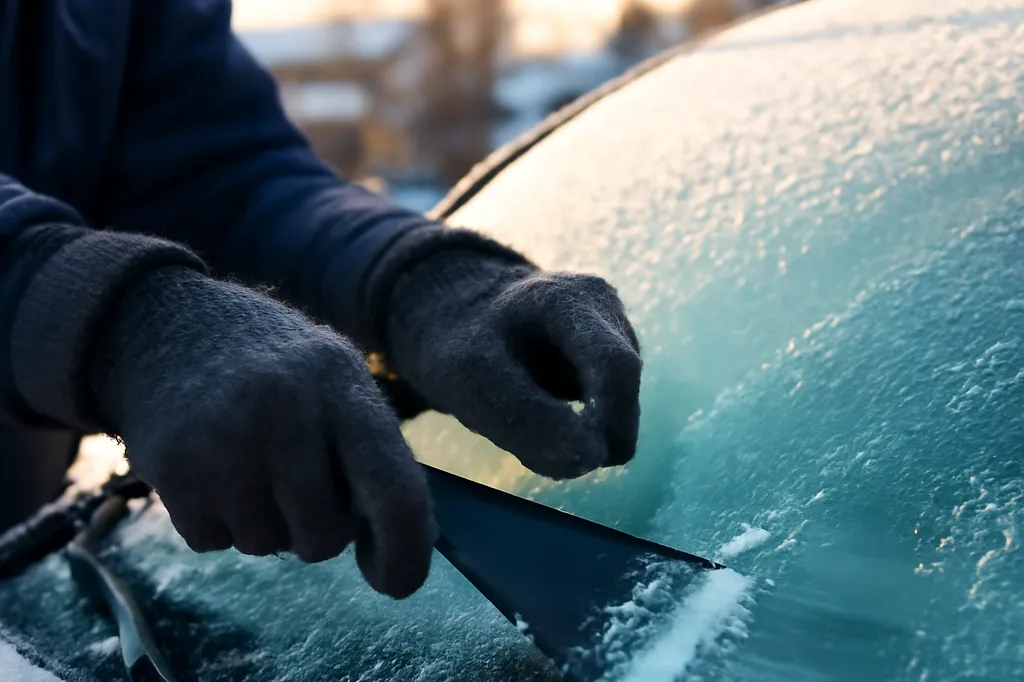
Before departing, clear snow and ice from the entire vehicle. That means roof, hood, trunk, mirrors, lights, windows, camera lenses, and license plates — not only the small area of windshield in front of the driver. Snow left on the roof can slide forward during braking and block your view, or blow onto vehicles behind you.
Adjust your driving technique for Ottawa roads
Winter driving is mostly about smoothness and space. Sudden braking, sharp steering, and quick acceleration can break traction, even on roads that appear merely wet. Slow down before turns, leave a generous gap behind the vehicle ahead, and make your inputs gradual.
The posted speed limit is not a recommendation for every weather condition. In snow, freezing rain, blowing snow, or slush, a safe speed may be significantly below the posted limit. You should be able to stop within the distance you can clearly see ahead.
Use these habits every time conditions are questionable:
- Increase following distance well beyond your usual dry-road gap.
- Brake early and gently; avoid waiting until the last moment at lights or stop signs.
- Accelerate gradually, especially from intersections and uphill starts.
- Look farther ahead for stopped traffic, lane changes, pedestrians, and changing signal lights.
- Keep both hands available for steering and avoid distractions.
- Use headlights whenever visibility is reduced, including during daytime snowfall.
- Avoid cruise control on snowy, icy, or slushy roads.
- Be especially patient around buses, snowplows, pedestrians, and cyclists using winter routes.
If the car starts to skid, ease off the accelerator and look where you want the vehicle to go. Avoid stabbing the brakes or making abrupt steering corrections. Modern vehicles may have anti-lock brakes and stability control, but these systems assist the driver; they cannot create traction where there is none.
Intersections deserve extra caution. Repeated stopping and starting can compress snow into a slick surface, while melting and refreezing can create black ice — a thin, hard-to-see layer of ice that makes pavement look simply wet or dark.
Scenario: approaching a downtown intersection. Traffic ahead is stopped at a red light, but the road surface looks glossy after a temperature change. Begin slowing much earlier than usual, leave space, and be prepared for the car to take longer to stop. If you arrive safely but leave a larger-than-normal gap, that is good winter driving — not hesitation.
Watch weather, visibility, bridges, and highway conditions
Winter conditions can vary across Ottawa. A route that is clear near your hotel may become snow-covered or windblown farther west, east, or south of downtown. Check the forecast before leaving and reassess it before a longer drive, especially if snow squalls, freezing rain, high winds, or a sharp temperature drop are expected.
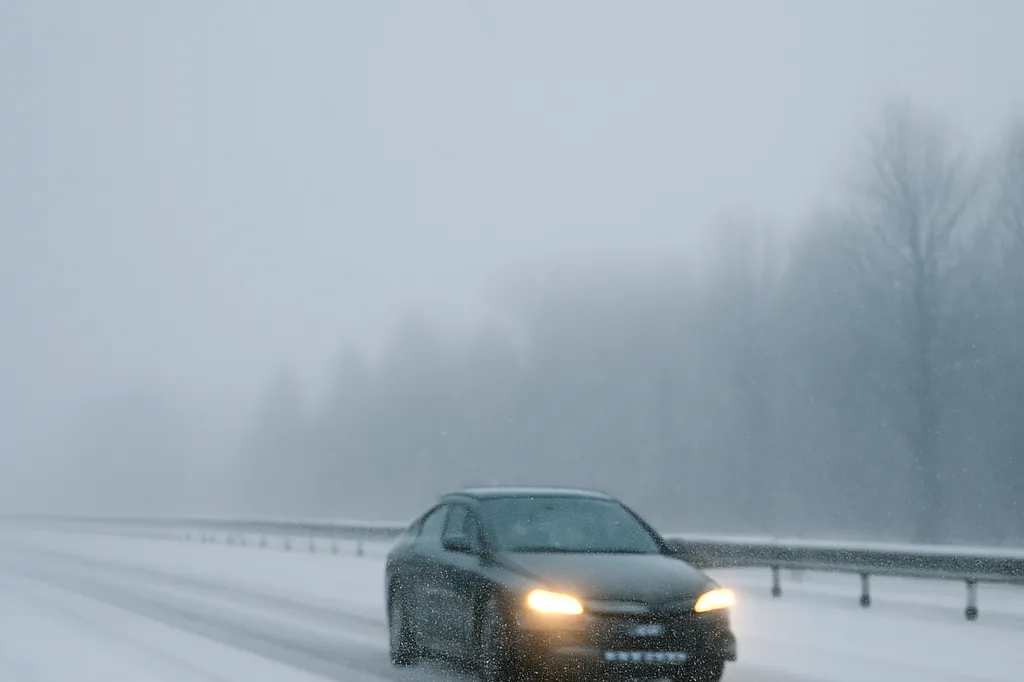
Highway 417 and other major routes can experience reduced visibility during snow squalls. A squall can arrive quickly, with intense snowfall and blowing snow making it difficult to see lane markings, vehicles ahead, or upcoming exits. If visibility deteriorates, reduce speed smoothly, turn on your headlights, increase distance from other vehicles, and avoid unnecessary lane changes.
Bridges can ice over before other road sections because cold air circulates above and below them. This includes bridges crossing into Gatineau, Quebec. Approach bridge decks gently, without abrupt braking or acceleration, even if the road leading up to them seemed dry.
If a severe weather period is forecast, change the plan if you can. Ottawa has plenty to do without forcing a long drive through poor conditions, and our guide to getting around Ottawa can help you consider alternatives for a day when leaving the car parked is the sensible choice.
A practical pre-departure routine takes only a few minutes:
| Check | Why it matters | What to do |
|---|---|---|
| Forecast and alerts | Conditions can worsen quickly | Review the route and timing before leaving |
| Visibility | Snow squalls can reduce sightlines dramatically | Delay non-essential travel if visibility is poor |
| Vehicle clearance | Snow can fall from the roof or hide lights | Brush and scrape the whole vehicle |
| Fuel and charge | Delays are more stressful with a low tank or dead phone | Top up fuel and charge your phone |
| Route flexibility | A main route may be slow or temporarily difficult | Allow extra time and avoid tight schedules |
| Parking rules | Snow clearing restrictions may affect your destination | Check signage and current City of Ottawa rules |
Plan parking around snow clearing rules
Winter parking is not simply a matter of finding an open curbside space. The City of Ottawa enacts seasonal on-street parking restrictions and snow-related parking bans during and after snowfalls so plowing crews can clear streets. Visitors parking on residential streets should check current posted signage and the city’s snow-parking rules before leaving a car overnight.
This is particularly important when you arrive after a snowfall and see a street that looks quiet or lightly parked. A restriction can still apply, and the need to clear snow often changes normal expectations about overnight parking. Do not rely only on what nearby cars are doing; local residents may be moving vehicles, using private arrangements, or taking risks themselves.
When parking, consider more than legality:
- Avoid narrowing a snowy street or blocking access for plows and emergency vehicles.
- Leave room around your vehicle if snowbanks are already high.
- Do not park where your tailpipe could become blocked by drifting snow or a plow berm.
- Fold in mirrors if appropriate and safe to do so in a tight snowy curb lane.
- Note where you parked, especially in unfamiliar lots after fresh snowfall changes landmarks.
- Build time into your return for brushing off the car and clearing packed snow around the wheels.
If you use a hotel lot, ask about overnight procedures during a snow event. Some properties may need guests to move vehicles temporarily for plowing, while others may designate certain areas for snow storage. A quick question at check-in can prevent an early-morning surprise.
Tip: Bridges into Gatineau can ice over before the surrounding pavement does – approach every bridge deck gently, without abrupt braking or acceleration.
Prepare a small winter car kit
You do not need to turn a rental car into an expedition vehicle, but a basic kit makes ordinary delays more manageable. Pack items where they are accessible rather than buried under luggage.
A practical Ottawa winter car kit includes:
- Snow brush and ice scraper
- Warm hat, gloves, scarf, and an extra insulating layer
- Boots suitable for walking through slush or snowbanks
- Phone charger or power bank
- Flashlight
- Water and non-perishable snacks
- Small shovel, if space allows
- Traction aid such as sand, grit, or a traction mat if you are driving outside the central city
- Blanket or emergency warm layer
- Basic first-aid supplies
- Paper towel or cloth for wet footwear and fogged surfaces
The kit is useful even on short urban trips. A minor slide into a snowbank, a slow-moving traffic queue, or an unexpected parking restriction can leave you outside longer than planned. Dress for the weather rather than assuming you will move directly from heated car to heated building.
Be conservative on day trips and Gatineau crossings
Winter driving becomes more demanding once you leave the most regularly travelled urban routes. Rural roads, park access roads, scenic routes, and secondary streets may be narrower, darker, windier, or less predictable than central Ottawa corridors.
If you are heading across the river, remember that bridges into Gatineau can become slippery before nearby pavement. Quebec has its own winter-driving rules and practices, including its mandatory winter-tire requirement for vehicles registered there during the winter season. Visitors in an Ontario-plated rental should still prioritize proper winter tires and drive for the conditions.
A winter visit to Gatineau Park can be rewarding, but do not treat it as a casual extension of city driving. Check access information, weather, and any seasonal road arrangements before you go. Our Gatineau Park year-round guide can help with seasonal planning. If conditions are poor, choose a shorter outing or postpone rather than pressing on because you have already started the drive.
Timing matters as well. Darkness comes early in winter, and a route that felt straightforward in daylight can look very different after sunset, during snowfall, or when lane markings are obscured. Leave enough margin to return before conditions or fatigue become a problem.
For trip timing in general, including Ottawa’s changing seasons, consult our best time to visit Ottawa guide.
Frequently asked
Ontario does not have a province-wide mandatory winter tire law like Quebec does. However, winter tires are strongly recommended for Ottawa winter driving. If renting, specifically ask whether winter tires are fitted.
No. All-wheel drive can help the car move from a stop, but it does not replace winter tires or create shorter stopping distances on ice. Drive cautiously regardless of vehicle type.
If your vehicle has one and temperatures are very cold, a block heater can help the engine start by keeping it warmer. Ask your hotel, host, or parking operator whether block-heater outlets are available and permitted.
Not without checking. Ottawa uses seasonal on-street restrictions and snow-related parking bans to allow plowing. Check posted signs and current City of Ottawa snow-parking rules before leaving the vehicle.
Reduce speed gradually, turn on headlights, increase following distance, avoid sudden lane changes, and consider exiting or stopping somewhere safe if visibility becomes severely limited. Do not try to maintain normal highway speed in reduced visibility.