
Travelling alone can make a city feel more immediate: there is no committee meeting over breakfast, no need to match anyone else’s pace, and more room to follow a museum visit with a canal walk simply because it appeals to you. Ottawa suits that style of trip particularly well. Its central sights are relatively close together, its transit network covers the core, and it has a generally positive reputation among travellers for feeling manageable and welcoming.
Quick answer: Ottawa’s compact, transit-connected downtown makes it a genuinely solo-friendly city — the main planning task is choosing a well-located base and knowing your return route before dark.
For this fictional OttawaTours Q&A, we spoke with Maya Chen, a fictional frequent solo traveller and Ottawa resident, about the practical parts of visiting alone: arriving from YOW, choosing a base, navigating after dark, meeting people without forcing it, and planning a car-free itinerary. Her advice is editorial guidance, not a substitute for checking current service alerts, weather conditions, or venue information before you go.
Is Ottawa Good for a First Solo Trip?
Question: Is Ottawa a good city for a first solo trip?
Maya Chen: Yes—especially if you like a city break that combines walkable landmarks, museums, neighbourhoods, water views, and straightforward day-trip possibilities. The biggest advantage is that a first-time visitor can build a satisfying trip around a compact central area: Parliament Hill, the Rideau Canal, the National Gallery of Canada, ByWard Market and several major museums are all natural anchors for a solo itinerary.
The key is not to treat Ottawa as one tiny pedestrian zone. It is very walkable in sections, but distances can add up, particularly in winter, in rain, or after a full day of sightseeing. Solo travellers often have the best experience when they combine walking with OC Transpo rather than insisting on doing everything on foot.
I would suggest giving yourself permission to keep plans flexible. Choose one main attraction or neighbourhood per half-day, leave room for a café break or a gallery, and use transit when your feet are telling you that you have already had a good day.
For a broad first-pass itinerary, OttawaTours’ things to do in Ottawa guide is a useful companion. But solo travel is also about pace: you do not need to “complete” the city to have an excellent visit.
Arriving Alone: Airport and Train Options
Question: What is the simplest way to get from the airport or train station into downtown when I am alone?
Maya Chen: Start by knowing which arrival point you are using, because the options are different.
Ottawa Macdonald–Cartier International Airport, or YOW, is about 10 kilometres south of downtown—roughly a 20-minute drive in typical conditions. For transit, O-Train Line 4, the Airport Link, connects YOW with South Keys station, where you can continue via Line 2 and onward toward downtown Line 1. Allow roughly 35 to 45 minutes in total, and check current schedules and fares before you travel. A single OC Transpo fare is the basic fare framework for this journey.
Route 97 is another important option. It runs 24 hours and connects the airport with downtown via Hurdman station, with an approximate 30-minute ride to that point. It continues to operate alongside Line 4, which matters if you arrive outside regular rail hours or simply prefer a direct bus option.
Arriving by train is especially easy. VIA Rail’s Ottawa Station is at 200 Tremblay Road, east of downtown. A covered walkway links it with Tremblay O-Train station on Line 1, and the train ride to Parliament or Rideau stations downtown is roughly 10 to 12 minutes.
| Arrival point | Practical car-free connection | What a solo traveller should note |
|---|---|---|
| YOW airport | Line 4 to South Keys, then onward through the O-Train network | Check the transfer and current operating hours, especially for late arrivals |
| YOW airport | Route 97 to Hurdman and onward downtown | Runs 24 hours; useful when rail service is limited |
| VIA Rail Ottawa Station | Covered walkway to Tremblay station, then Line 1 | A simple connection for downtown accommodation |
| Intercity coach stop | Depends on the specific operator and stop | There is no dedicated intercity bus terminal building |
That last row is worth underlining. Ottawa has not had a dedicated intercity bus terminal since Greyhound Canada shut down in 2021 and the former Catherine Street terminal was sold. Providers such as Megabus and FlixBus generally use on-street stops. If you are arriving alone by coach, check the precise stop location, departure timing and your onward route before you travel—particularly if you are arriving after dark or carrying bulky luggage.
Choosing a Solo-Friendly Base
Question: Which neighbourhoods make the most sense as a solo base?
Maya Chen: I would choose based on how you want your evenings to feel, not only on the daytime sightseeing list. For a first visit without a car, being close to Line 1 or within easy reach of downtown is especially helpful.
| Area | Best for | Solo-travel considerations |
|---|---|---|
| Downtown / Parliament Hill area | First-time visitors, central sightseeing, easy transit access | Convenient for the Hill, canal, museums and Rideau Centre; can feel quieter after office hours in some blocks |
| ByWard Market | Food, nightlife, the National Gallery and a lively central location | Excellent for being near activity; pay attention to your route home late at night, as in any busy entertainment district |
| Centretown | A more residential-feeling downtown stay with restaurants and local streets | Good for walking and bus connections; check the distance to the nearest O-Train station for your specific accommodation |
| The Glebe / Lansdowne | Canal walks, cafés, neighbourhood atmosphere and a slower pace | Lovely for daytime and evenings, though less central for some museum-focused itineraries |
| Near Rideau or Parliament stations | Transit-first visitors arriving by train or airport transit | Prioritise a well-reviewed property and a route you are comfortable walking after dark |
If this is your first solo trip in Ottawa, I would usually favour downtown, ByWard Market, or a location near Rideau or Parliament stations. The convenience is not just about attractions. It means you can take a break in the middle of the day, drop off a shopping bag, change for dinner, or avoid an unnecessary late transit journey.
For accommodation styles and area-by-area comparisons, link out to OttawaTours’ where to stay in Ottawa coverage rather than choosing purely from a map. A place that looks “close” can still involve an awkward walk, a hill, construction detours, or a transfer you would rather not make alone at night.
Safety After Dark
Question: How should solo visitors think about safety, especially after dark?
Maya Chen: Ottawa’s general reputation among travellers is positive, but the smart solo-travel approach is the same one you would use in any unfamiliar city: stay aware, make your return journey easier on yourself, and do not let a desire to be spontaneous replace basic planning.
I would not tell visitors to avoid going out at night. I would tell them to decide how they are getting back before the evening gets underway. Save your accommodation address offline, charge your phone, keep your outerwear and footwear appropriate for the season, and choose a route that feels clear rather than merely shortest.
Transit safety tips
- Check your final connection before leaving for dinner, a concert or an evening event.
- Wait in well-lit, active areas where possible, and be aware of your belongings while boarding and exiting.
- Keep a backup option in mind if service is delayed, you miss a connection, or weather changes your plans.
- If you feel uncomfortable on a walk, step into an open business, hotel lobby or other populated place and reassess your route.
- Avoid advertising that you are staying alone to strangers, including by sharing unnecessary accommodation details.
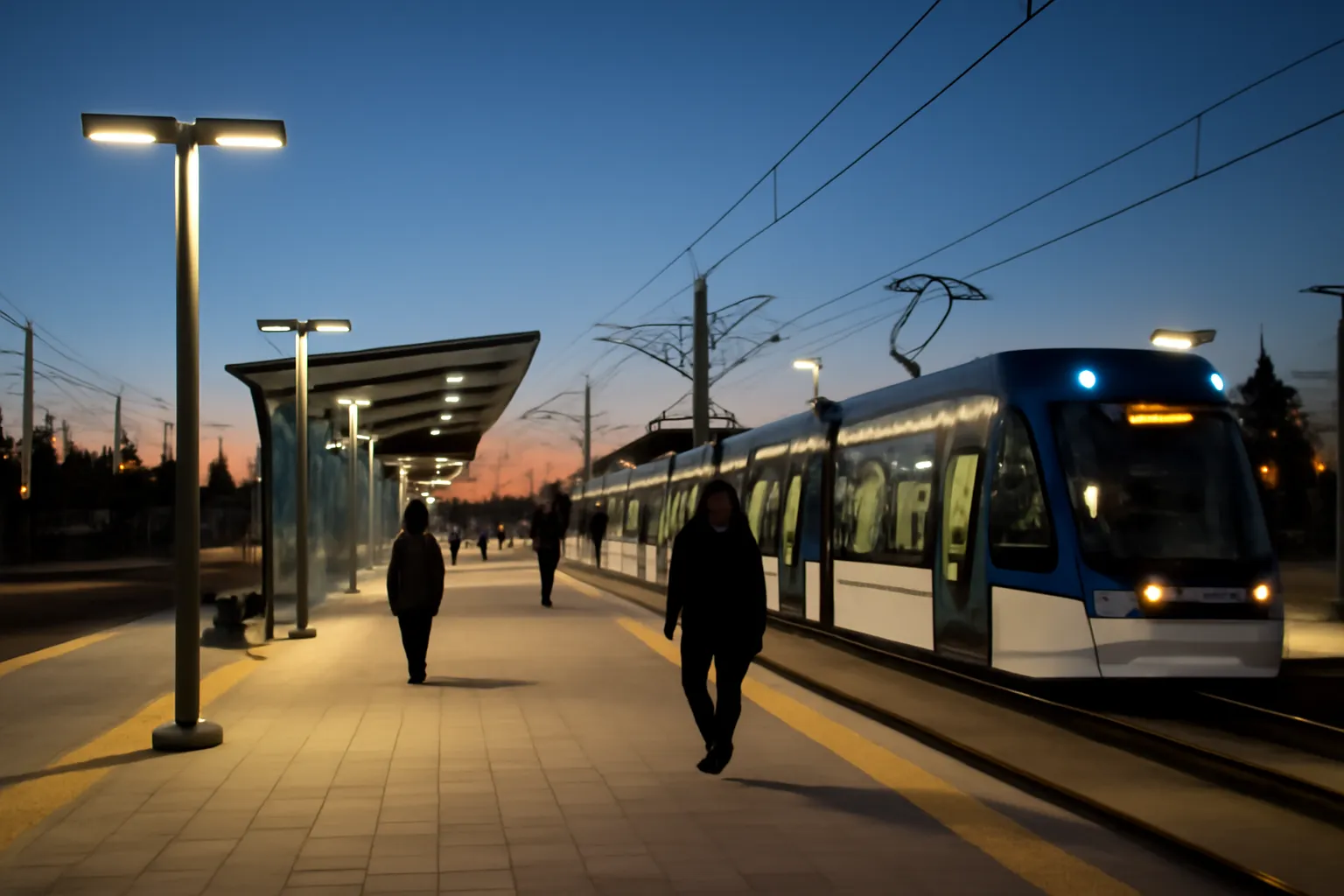
- In winter, build in extra time: darkness, snow, ice and cold can make a short walk feel much longer.
The transit reality matters. Night bus routes run roughly every 30 minutes and extend to Rideau Station downtown. O-Train Line 1 runs until roughly 2 a.m. on Friday and Saturday, while Lines 2 and 4 keep more standard weekday-style hours of roughly 6 a.m. to midnight. In other words, late-night rail is more limited than buses, particularly if you are returning to the airport area or relying on Lines 2 or 4.
My advice is simple: check current OC Transpo hours and service alerts on the day you travel, not just when you first plan the trip. Schedules can change, and that check is one of the easiest ways to make a solo evening feel relaxed rather than stressful.
Exploring Without a Car
Question: Can I enjoy Ottawa fully without renting a car?
Maya Chen: Absolutely, if your trip focuses on the central city. Downtown, Parliament Hill, ByWard Market and the principal museums are all well served by OC Transpo buses and the O-Train. A car can add flexibility, but it is not necessary for a strong first itinerary.
It is also worth remembering that some of Ottawa’s most rewarding solo activities are naturally car-free: a canal-side walk, a museum afternoon, browsing the ByWard Market Building, visiting the National Gallery, or spending time around Parliament Hill. Centre Block itself remains under restoration, with completion tracked for around 2031 and public reopening expected in 2032, but Parliament Hill remains a major place to orient yourself and explore.
For Gatineau Park, a car is helpful but not essential. STO bus routes reach the park’s edge, and the NCC runs a free seasonal shuttle on weekends and holidays from May through October, linking downtown Ottawa-Gatineau with park attractions and the Chelsea Visitor Centre. That makes a solo day out possible without the expense or responsibility of a rental car. See the dedicated Gatineau Park year-round guide for the seasonal details.
Where a car becomes more useful is for day trips beyond the urban area. Wakefield is technically reachable by a Transcollines bus line in roughly 40 minutes, but service is limited to about once daily, which makes it impractical for most visitors’ schedules. Montebello has no meaningful direct public transit and is effectively car-only, or requires a bus-plus-taxi combination; it is about an hour’s drive from Ottawa.
For local routes, fares and transfer guidance, use getting around Ottawa as your planning reference.
Meeting People Without Forcing It
Question: What are good ways to meet people—or enjoy being alone without feeling isolated?
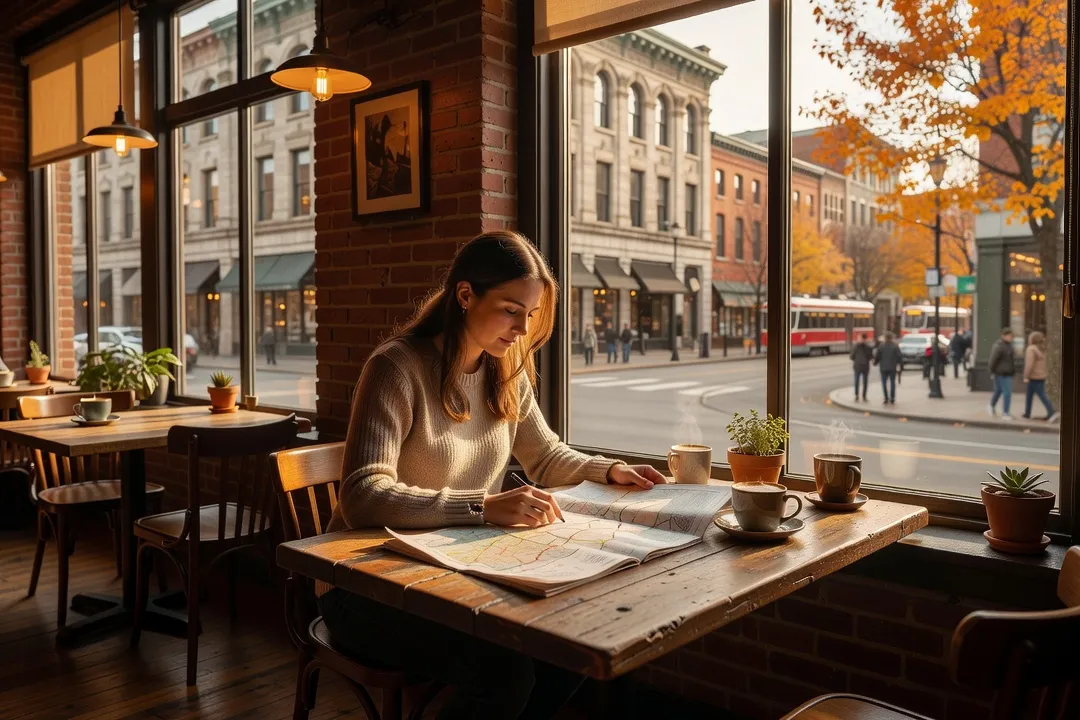
Maya Chen: The first thing I would say is that you do not need to manufacture constant company. Ottawa is a very good city for “pleasantly alone” travel. A museum, a public tour, a market food stop, a canal walk or a café break all work naturally as solo experiences.
If you do want connection, look for structured settings where conversation has an obvious starting point. Public tours, small-group outdoor activities, museum programming, tastings, classes and festival events are often easier than walking into a bar hoping to meet people. Ask your accommodation whether it knows of current group activities, and look at official venue calendars close to your travel date.
A few low-pressure approaches:
- Join a scheduled tour or activity early in your trip. It can provide both orientation and an opportunity to meet other visitors.
- Choose communal moments, not forced socialising. Sit at a counter, join a public program, or attend an event where the activity—not networking—is the focus.
- Use neighbourhoods as conversation starters. A bookseller, gallery attendant or café staff member may offer useful local recommendations without requiring you to make elaborate plans.
- Keep expectations light. Meeting someone for one museum recommendation or a brief chat can be enough; it does not have to become a full-day friendship.
- Trust your judgement. Friendly conversation is welcome, but solo travel works best when you remain comfortable setting boundaries and leaving when you want to.
And if you would rather lean into solitude, Ottawa rewards that too. The National Gallery, the Canadian Museum of History across the river, and a slow stroll through the core are all good choices. You can create social texture without needing a travel companion.
Backup Plans for Bad Weather
Question: What should I do if the weather turns bad, or if I need a lower-mobility day?
Maya Chen: Have an indoor backup plan before the forecast forces one. Ottawa’s museums are the obvious answer, but they are not the only answer.
The Bank of Canada Museum has free admission. Ottawa Art Gallery also has free admission and is open late Wednesday through Saturday. The enclosed ByWard Market Building offers shops and food year-round, while Lansdowne brings together shops, restaurants and the historic Aberdeen Pavilion. CF Rideau Centre, at 50 Rideau Street, is a large downtown mall one block from Parliament Hill and connected to The Westin hotel.
Accessibility deserves specific, honest planning. Parliament Hill’s Visitor Welcome Centre, between West Block and Centre Block, and West Block are wheelchair accessible, with ramps, elevators and accessible seating available on request. OC Transpo buses and O-Trains are low-floor and accessible, with designated spaces for mobility devices. The Canadian Museum of History and the National Gallery of Canada are wheelchair accessible, have elevators, and offer free wheelchairs or scooters on loan.
ByWard Market is the place where expectations should be adjusted. Its heritage buildings, cobblestone or gravel patches and uneven sidewalks can make some areas genuinely difficult for wheelchair and mobility-device users. It is still worth visiting if it interests you, but plan a route, allow extra time and do not assume every doorway or block will be equally accessible.
For spring visitors, there is another weather-dependent solo outing: the Dominion Arboretum, part of the Central Experimental Farm between Dow’s Lake and the Rideau Canal. There is no formal Ottawa cherry blossom festival. The experience is informal and self-guided, with magnolias generally peaking in early to mid-May and cherry blossoms following in mid to late May. Also, many of the “cherry blossoms” photographed around Ottawa are actually crabapple blossoms—still beautiful, simply different.
Final Checklist
Question: What would be your final practical checklist before I book?
Maya Chen: Keep it simple. Pick a central base, map your arrival route, and plan one or two flexible days rather than filling every hour. Ottawa is most enjoyable alone when you have enough structure to feel confident and enough open time to wander.
Before you commit, I would check:
- Your arrival time and the relevant airport, rail or coach connection.
- The distance from your accommodation to a transit stop you expect to use.
- Current opening hours for your priority museums or attractions.
- Weather and seasonal conditions, especially for walking and park visits.
- Accessibility details directly with venues if you have specific needs.
- A daytime and late-night route back to your accommodation.
Most importantly, make this your next action: check current OC Transpo hours before planning any late return. Line 1, Lines 2 and 4, airport connections and night buses do not all operate on the same schedule. Confirming that detail before you book an evening activity is a small step that makes solo travel in Ottawa much smoother.
Frequently asked
Ottawa has a generally positive reputation among travellers for personal safety, though standard urban precautions still apply, such as planning your return route before dark and checking transit schedules in advance.
OC Transpo Route 97 bus runs 24 hours and reaches Hurdman station in about 30 minutes, while the O-Train Line 4 Airport Link connects to South Keys and onward via Line 2 and Line 1 in roughly 35-45 minutes.
Downtown, ByWard Market, or a location near Rideau or Parliament stations are usually the best choices for a first solo trip, since they keep you close to transit and let you return easily after an evening out.
Yes. Downtown, Parliament Hill, ByWard Market and the principal museums are all well served by OC Transpo buses and the O-Train, and Gatineau Park is reachable via STO buses or the free seasonal NCC shuttle from May to October.
Structured settings work best: public tours, small-group outdoor activities, museum programming, tastings and festival events all give conversation a natural starting point without the pressure of a bar or forced networking.